

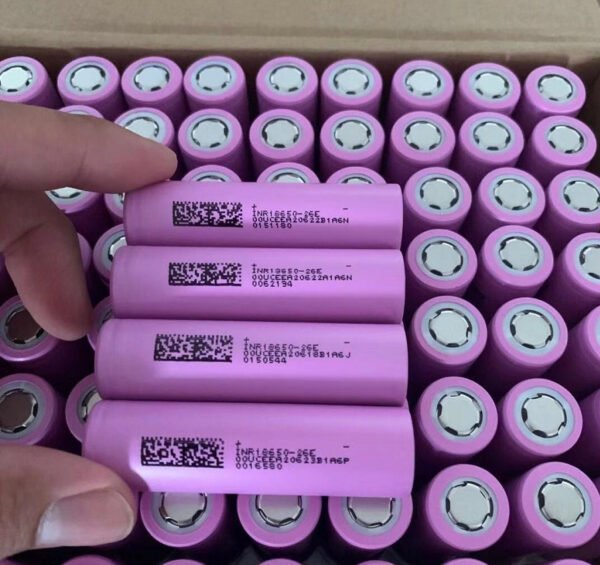
Ultimate Guide to 18650 LFP Cells for Power Tools 2026 – Complete UN38.3 UL CE Certified Focus
The global power tool industry continues its rapid evolution in 2026, with lithium iron phosphate (LFP) 18650 cells emerging as the preferred choice for professional-grade equipment. This comprehensive guide addresses critical compliance requirements, technical specifications, and procurement considerations for B2B buyers sourcing certified battery solutions.
Why 18650 LFP Cells Dominate Power Tool Applications
18650 LFP cells offer distinct advantages over traditional lithium-ion chemistries for power tool manufacturers. The lithium iron phosphate chemistry provides superior thermal stability, extended cycle life exceeding 2,000 charge-discharge cycles, and enhanced safety characteristics essential for demanding industrial applications. With nominal voltage of 3.2V and capacity ranges from 1,500mAh to 3,500mAh, these cylindrical cells deliver consistent power output while maintaining structural integrity under high-drain conditions typical of cordless drills, impact drivers, and saws.
The standard 18mm diameter and 65mm length dimensions ensure compatibility with existing battery pack designs, minimizing redesign costs for manufacturers transitioning from NCM or NCA chemistries. Recent industry data indicates that LFP adoption in power tools has increased by 45% since 2024, driven by improved energy density and cost-effectiveness.
Critical Certification Requirements for Global Market Access
UN38.3 Transportation Safety Certification
UN38.3 certification remains the fundamental requirement for international battery transportation. This United Nations standard encompasses eight mandatory tests evaluating battery safety under extreme conditions: altitude simulation, thermal cycling, vibration, shock, external short circuit, impact, overcharge, and forced discharge testing.
For 2026 compliance, manufacturers must note that UN38.3 reports require updates every 2-3 years as standards evolve. Recent customs data shows that 65% of lithium battery export rejections stem from outdated or incomplete certification documentation. Each cell model requires individual testing, and battery pack assemblies need separate certification covering the complete configuration. Essential documentation includes the UN38.3 test report, Material Safety Data Sheet (MSDS), and transportation classification report—all three documents must accompany shipments to avoid customs delays.
UL Certification for North American Markets
UL certification demonstrates compliance with North American safety standards, particularly UL 1642 for cells and UL 2054 for battery packs. This certification validates electrical safety, fire resistance, and abuse tolerance through rigorous testing protocols. Major retailers and distributors in the United States and Canada typically require UL marks before accepting power tool products into their supply chains. The certification process involves factory inspections, ongoing compliance monitoring, and annual renewal requirements that manufacturers must maintain throughout the product lifecycle.
CE Marking for European Union Compliance
CE certification confirms adherence to European safety, health, and environmental protection requirements. For 2026, the EU Battery Regulation introduces additional obligations including battery passport requirements for industrial applications. The CE marking process encompasses electromagnetic compatibility (EMC), low voltage directive (LVD), and RoHS compliance testing. Manufacturers must maintain technical documentation for ten years and implement traceability systems enabling product recalls when necessary.
Technical Specifications for Power Tool Integration
Professional power tool manufacturers should prioritize cells with continuous discharge rates of 15A-30A and peak discharge capabilities exceeding 50A for high-torque applications. Internal resistance below 35mΩ ensures efficient power delivery while minimizing heat generation during operation. Operating temperature ranges of -20°C to 60°C accommodate diverse working environments from construction sites to outdoor maintenance applications.
Quality manufacturers implement automated production lines with real-time monitoring systems ensuring consistent cell performance across production batches. Capacity tolerance within ±50mAh and voltage matching within ±10mV enable reliable battery pack assembly without complex balancing circuits.
Procurement Best Practices for B2B Buyers
When sourcing 18650 LFP cells, verify supplier certifications through independent testing laboratories rather than accepting self-declared compliance. Request sample testing before committing to large orders, validating capacity, internal resistance, and cycle life claims against specifications. Establish clear quality acceptance criteria including maximum defect rates, packaging requirements, and documentation standards.
Lead times typically range from 4-8 weeks for certified cells, with expedited options available at premium pricing. Minimum order quantities vary from 1,000 to 10,000 cells depending on manufacturer capabilities and customization requirements. Consider establishing long-term supply agreements to secure pricing stability and priority allocation during high-demand periods.
Case Study: Professional Drill Manufacturer Success
A leading European power tool manufacturer recently transitioned their cordless drill series to certified 18650 LFP cells, achieving 40% improvement in battery pack lifespan while reducing warranty claims by 60%. The key success factors included comprehensive UN38.3 and CE certification before market launch, rigorous incoming quality inspection protocols, and established relationships with certified Chinese manufacturers meeting international standards.
Partner with Certified Manufacturers
Selecting the right battery cell partner requires thorough due diligence on manufacturing capabilities, certification portfolios, and quality management systems. Reputable manufacturers maintain ISO 9001 certification, operate clean-room production environments, and provide complete traceability from raw materials to finished cells.
For detailed product specifications and certification documentation, explore our comprehensive range of cylindrical battery cells designed specifically for power tool applications. Our manufacturing facilities maintain full compliance with UN38.3, UL, and CE requirements, ensuring seamless global market access for your products.
To learn more about our manufacturing capabilities and quality assurance processes, visit our page on battery manufacturers in China for comprehensive facility information and production capacity details.
Ready to discuss your specific requirements? Contact our technical sales team through our contact page for personalized consultation on cell selection, certification support, and supply chain optimization strategies.
Conclusion
The 2026 power tool market demands battery solutions combining performance, safety, and regulatory compliance. 18650 LFP cells with complete UN38.3, UL, and CE certification provide the foundation for successful product launches in global markets. By prioritizing certified suppliers, maintaining comprehensive documentation, and implementing rigorous quality controls, manufacturers can minimize compliance risks while maximizing product reliability and customer satisfaction.


