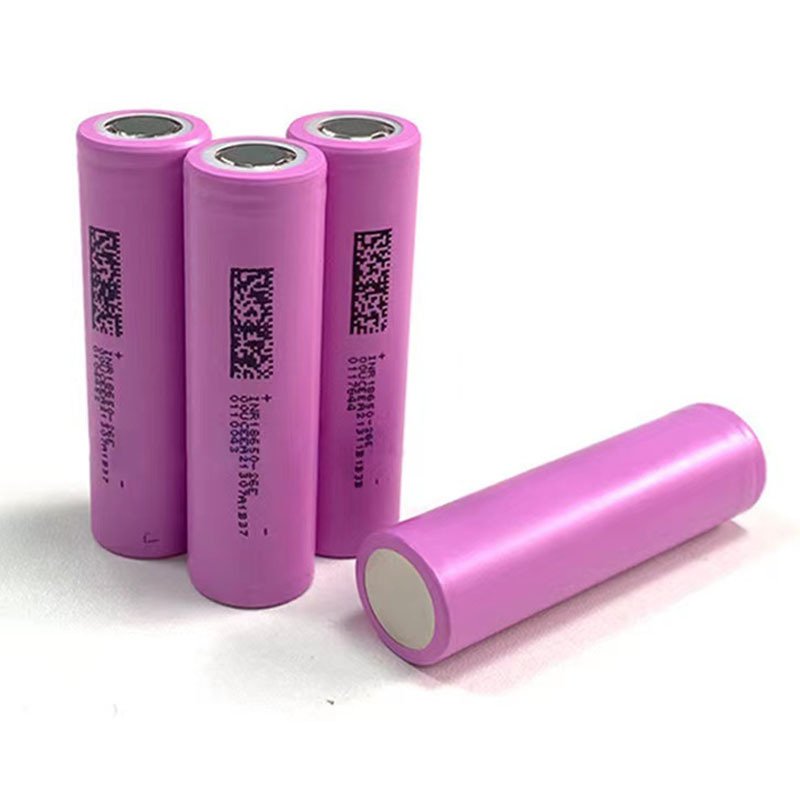
Ultimate Guide to 18650 LFP Cells for Power Tools 2026 – Complete Short Lead Time Focus
In the rapidly evolving landscape of cordless power tools, the shift from Nickel-Cadmium (Ni-Cd) to Lithium Iron Phosphate (LFP), specifically 18650 LFP cells, is no longer a trend but a standard. For B2B procurement managers and R&D engineers in 2026, the challenge isn’t just finding a cell that fits; it’s securing a supply chain that guarantees short lead times without compromising the rugged durability required for professional-grade equipment. This guide cuts through the marketing noise to deliver a technical and logistical roadmap for integrating the right 18650 LFP cells into your 2026 product lineup.
Why 18650 LFP is the “Gold Standard” for Industrial Power Tools
While the market experiments with larger formats like 21700 and 32700, the 18650 cell remains the workhorse for a specific reason: maturity and thermal management.
For power tools subjected to high-drain bursts and extreme ambient temperatures, the 18650 format offers a superior surface-area-to-volume ratio. This allows for more efficient heat dissipation compared to larger cylindrical cells, preventing thermal runaway during heavy-duty operations. Furthermore, the LFP chemistry provides an inherent safety advantage over traditional NMC (Nickel Manganese Cobalt) cells. In the event of an internal short circuit—a common failure mode in dropped tools—LFP cells are far less likely to catch fire, making them the preferred choice for industrial safety compliance.
The 2026 Supply Chain Reality: Lead Time Optimization
In 2026, the global supply chain has shifted from a “just-in-case” to a “just-in-time” model, heavily influenced by geopolitical logistics. For OEMs, the biggest risk isn’t technical failure; it’s stockout.
When evaluating 18650 LFP suppliers, “short lead time” should be a primary technical specification. This requires a manufacturer with:
- Localized Manufacturing: Proximity to raw materials and finished goods warehouses.
- Automated Production Lines: High levels of automation reduce human error and increase throughput speed.
- Buffer Stock: A strategic reserve of standard cells ready for immediate shipment.
Manufacturers with these capabilities can often reduce lead times from the industry average of 8-12 weeks down to 3-4 weeks, a critical advantage in a competitive market.
Technical Deep Dive: Selecting the Right Cell for Your Tool
Not all 18650 LFP cells are created equal. For power tools, you must prioritize high discharge rates over maximum capacity. Here is a breakdown of the technical parameters you should verify with your supplier.
1. Discharge Rate vs. Capacity Trade-off
Power tools require high current bursts. A standard high-capacity 18650 cell (e.g., 3500mAh) is designed for energy density (like in laptops) and will overheat under the 20A+ draw of an impact driver. Instead, look for cells specifically labeled as “Power” or “High-Rate” cells. These typically have a lower capacity (around 2000mAh to 2600mAh) but feature a robust internal structure capable of sustaining 15C to 20C discharge rates.
| Feature | Standard Energy Cell (e.g., INR18650-3500) | High-Performance Power Cell (e.g., INR18650-2500) |
|---|---|---|
| Typical Capacity | 3500 mAh | 2500 mAh |
| Max Continuous Discharge | ~10A (3C) | ~35A – 50A (15C – 20C) |
| Best Application | Consumer Electronics, E-Bikes | Power Tools, High-Drain Industrial Devices |
| Thermal Stability | Moderate (Heat builds quickly under load) | High (Optimized for heat dissipation) |
| Cycle Life | 500-800 cycles | 800-1000+ cycles |
2. Cycle Life and Durability
Professional contractors expect their batteries to last for years. The LFP chemistry excels here, but the manufacturing process dictates the final lifespan. Look for cells that utilize dry electrode technology or advanced coating methods that prevent electrode cracking during rapid charging. A premium 18650 LFP cell should guarantee a cycle life of over 800 cycles at 1C charge/1C discharge while retaining 80% of its original capacity.
3. Safety Mechanisms
Every 18650 cell for power tools must have a CID (Current Interrupt Device) and PTC (Positive Temperature Coefficient) device. However, in 2026, the expectation is for internal lamination or reinforced casings that can physically withstand the vibration of a jackhammer without internal shorting.
Integration and Compatibility
Integrating a new 18650 LFP cell into an existing tool platform requires strict adherence to mechanical tolerances. The “18650” designation means 18mm diameter and 65mm length, but the button top height can vary between manufacturers.
- Mechanical Fit: Ensure the cell’s button top protrusion matches your battery pack’s contact design. A variance of even 0.5mm can cause connection issues under vibration.
- BMS Compatibility: Your Battery Management System (BMS) must be calibrated for the specific voltage curve of LFP (3.65V max) versus NMC (4.2V max). Using an NMC BMS with an LFP pack will result in chronic undercharging.
Partnering for Success: The Manufacturer Selection Process
Selecting a battery manufacturer is a strategic partnership. In the context of 2026 supply chain dynamics, you need a partner who views “short lead time” as a core competency, not an afterthought.
When you are ready to move from specification to production, having a direct line to a technical sales consultant is vital. This isn’t just about filling a purchase order; it is about collaborating on the thermal design of your battery pack and ensuring the chemical formulation matches your regional safety standards.
For engineers and procurement managers looking to source high-reliability 18650 LFP cells with optimized logistics, connecting with a manufacturer that has automated production facilities in Zhengzhou, China, offers a significant advantage. These facilities are designed to handle the fluctuating demands of the global power tool market without sacrificing quality.
To ensure your 2026 product launch stays on schedule, it is essential to engage with a supplier early in the design cycle. You can explore the full range of cylindrical battery cells, including specialized high-drain options, by visiting the product center. For direct technical consultation regarding custom requirements or to inquire about current lead time optimization strategies, it is recommended to reach out through the official contact channels.
Explore the comprehensive selection of high-performance cylindrical cells designed for industrial applications at our Cylindrical Battery Cell page. For specific inquiries regarding supply chain logistics and technical integration for power tools, contact our sales engineering team directly at Battery Manufacturers in China or visit our Contact Information page.