Ultimate Guide to 18650 LFP Cells for EV 2026 – Complete Minimal Capacity Fade Focus
The electric vehicle (EV) industry continues to evolve rapidly, and battery cell selection remains a critical decision point for engineers and technical procurement specialists. In 2026, 18650 LFP (Lithium Iron Phosphate) cells have emerged as a preferred choice for applications prioritizing longevity, safety, and minimal capacity fade over extended cycle life. This guide provides a comprehensive technical analysis for B2B professionals evaluating cylindrical LFP solutions for EV and energy storage deployments.
Understanding 18650 LFP Cell Architecture
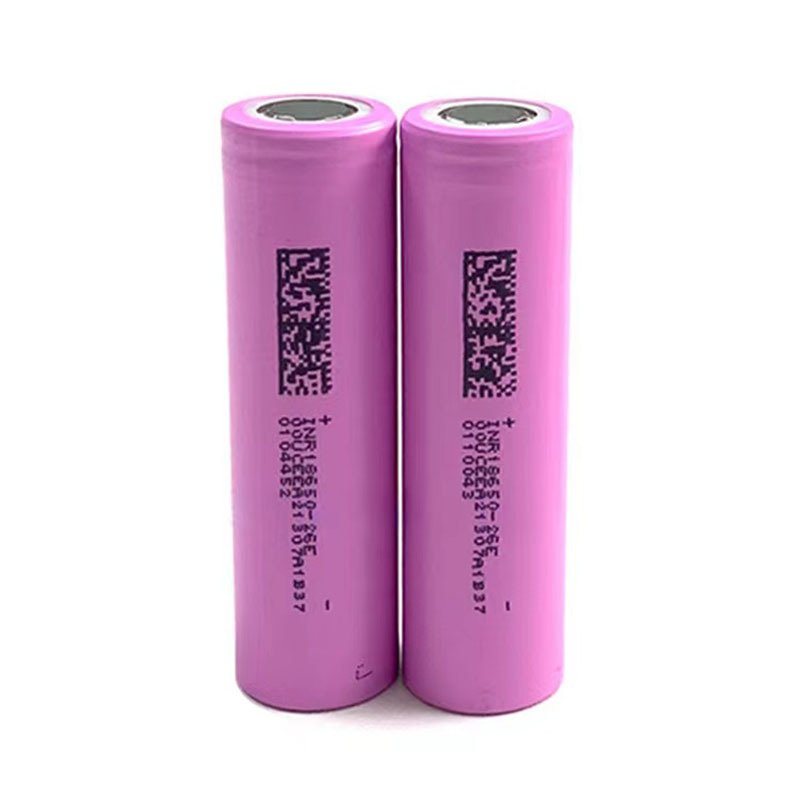
The 18650 designation refers to the cylindrical cell dimensions: 18mm diameter and 65mm length. When paired with LFP chemistry (LiFePO₄), these cells deliver distinct advantages over traditional NMC or NCA alternatives. The olivine crystal structure of LFP cathodes provides exceptional thermal stability, with decomposition temperatures exceeding 270°C compared to approximately 150°C for layered oxide chemistries.
From an electrochemical perspective, LFP cells operate at a nominal voltage of 3.2V, slightly lower than the 3.6-3.7V of nickel-based counterparts. However, the flat discharge curve between 20%-80% State of Charge (SOC) simplifies Battery Management System (BMS) design while maintaining consistent power delivery throughout the discharge cycle.
Minimal Capacity Fade: The Core Advantage
Capacity fade represents the gradual reduction in usable capacity over charge-discharge cycles. For 18650 LFP cells, industry data demonstrates less than 20% capacity loss after 3,000-5,000 full cycles under standard operating conditions (25°C, 1C charge/discharge). This performance significantly exceeds NMC alternatives, which typically show comparable degradation after 1,500-2,000 cycles.
The minimal fade mechanism stems from several factors:
- Structural Stability: The FePO₄/LiFePO₄ phase transition involves minimal volume change (<7%), reducing mechanical stress on electrode particles during cycling.
- Reduced SEI Growth: LFP’s lower operating voltage minimizes electrolyte decomposition at the anode interface, slowing Solid Electrolyte Interphase (SEI) layer thickening.
- Thermal Resilience: Superior thermal characteristics prevent accelerated degradation during high-temperature operation, a common failure mode in nickel-rich chemistries.
Technical Specifications for 2026 Standards
Modern 18650 LFP cells available through established battery manufacturers in China typically offer the following specifications:
| Parameter | Typical Value |
|---|---|
| Nominal Capacity | 1,500-2,000 mAh |
| Continuous Discharge | 3-5C (4.5-10A) |
| Peak Discharge | 10C (15-20A) |
| Cycle Life | 3,000-5,000 cycles |
| Operating Temperature | -20°C to +60°C |
| Energy Density | 90-120 Wh/kg |
For technical procurement teams, understanding these parameters ensures proper cell selection matching application requirements. Higher capacity variants may sacrifice some cycle life, while power-optimized cells prioritize discharge rates over energy density.
BMS Integration Considerations
Effective BMS design for 18650 LFP packs requires attention to several critical factors:
Voltage Monitoring Precision: The flat discharge curve demands high-precision voltage sensing (±5mV accuracy) to accurately estimate SOC. Traditional coulomb counting alone proves insufficient for LFP applications.
Cell Balancing: Passive balancing remains adequate for most 18650 configurations, though active balancing improves pack longevity in high-cycle applications. Ensure balancing currents exceed 50mA for practical equalization times.
Temperature Management: While LFP cells tolerate wider temperature ranges, maintaining 15-35°C during operation optimizes cycle life. Implement thermal monitoring with shutdown protocols at 60°C+.
Application Scenarios and ROI Analysis
For commercial EV fleets, delivery vehicles, and stationary storage integration, 18650 LFP cells deliver compelling total cost of ownership (TCO) advantages. The higher upfront cost per Wh compared to NMC is offset by:
- Extended replacement intervals (8-10 years vs. 5-6 years)
- Reduced thermal management system complexity
- Lower insurance premiums due to improved safety profiles
- Minimal capacity fade ensuring consistent performance throughout asset life
Technical teams should calculate levelized cost of storage (LCOS) rather than focusing solely on initial procurement costs.
Quality Assurance and Supplier Verification
When sourcing 18650 LFP cells, verify manufacturer certifications including IEC 62619, UL 1642, and UN 38.3 transportation compliance. Request cycle life test data following IEC 61960 standards, and confirm batch-to-batch consistency through capacity distribution reports.
For comprehensive product specifications and technical documentation, explore available cylindrical battery cell options from verified suppliers. Direct communication with manufacturing partners ensures alignment on custom requirements, lead times, and quality assurance protocols.
Conclusion: Strategic Cell Selection for 2026 and Beyond
The 18650 LFP cell represents a mature, reliable solution for EV applications where longevity and safety outweigh maximum energy density requirements. As the industry shifts toward sustainable, long-lifecycle battery deployments, technical professionals must evaluate total lifecycle performance rather than initial specifications alone.
For engineering teams requiring detailed technical consultation or custom cell configurations, direct engagement with qualified manufacturers proves essential. Visit our contact page to initiate technical discussions with our engineering support team.
The minimal capacity fade characteristics of modern 18650 LFP cells position them as the optimal choice for commercial EV fleets, micro-mobility applications, and stationary storage systems where predictable performance over 10+ year operational lifespans drives procurement decisions. Technical teams prioritizing lifecycle value over initial cost will find LFP chemistry delivers superior long-term returns in 2026’s evolving energy landscape.