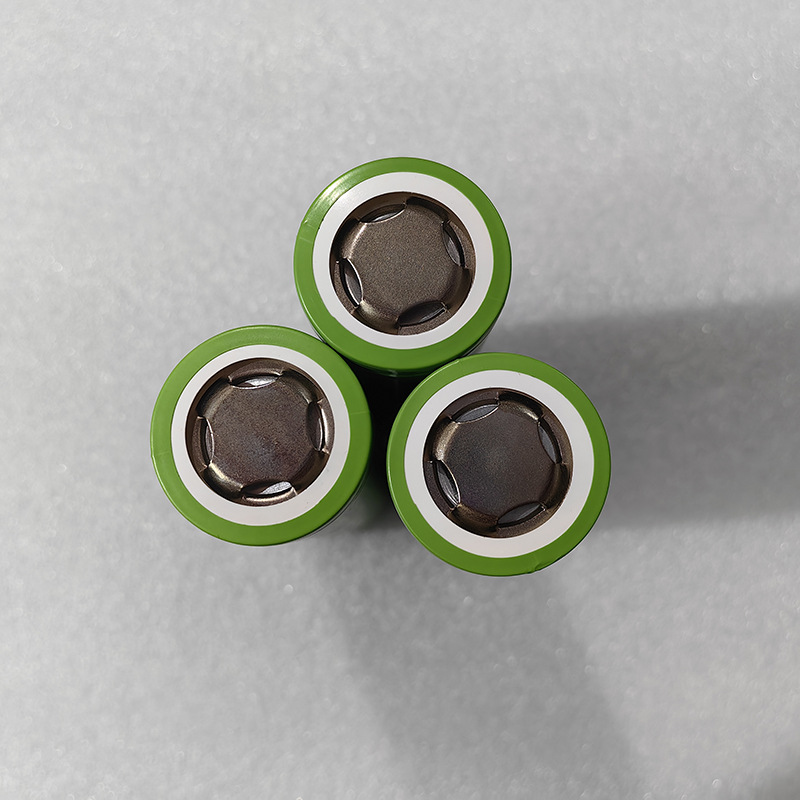
Ultimate Guide to 18650 LFP Cells for ESS 2026 – Complete Short Lead Time Focus
The global energy storage system (ESS) market is experiencing unprecedented growth in 2026, with lithium iron phosphate (LFP) cylindrical cells emerging as the preferred chemistry for commercial and residential applications. This comprehensive guide examines why 18650 LFP cells represent the optimal balance of safety, cycle life, and supply chain reliability for ESS deployments across North America, Europe, and Asia-Pacific regions.
Why 18650 LFP Cells Dominate ESS Applications in 2026
LFP chemistry offers inherent thermal stability that distinguishes it from nickel-based alternatives. The olivine crystal structure of LiFePO₄ provides superior thermal runaway resistance, with decomposition temperatures exceeding 270°C compared to 150°C for NMC chemistries. For ESS installations requiring UL 9540A compliance in the United States or IEC 62619 certification in the European Union, this thermal margin translates directly to reduced system-level safety costs.
The 18650 form factor delivers manufacturing maturity accumulated over two decades of production scaling. Standardized dimensions (18mm diameter × 65mm length) enable automated assembly lines with proven quality control protocols. Leading manufacturers now achieve capacity tolerances within ±50mAh at 3.2V nominal, ensuring consistent pack balancing without complex active management systems.
Critical Performance Parameters for ESS Integration
Cycle Life Expectations: Premium 18650 LFP cells demonstrate 4,000-6,000 full cycles at 80% depth of discharge while maintaining 80% remaining capacity. For daily cycling ESS applications, this translates to 10-15 year operational lifespans under standard temperature conditions (25°C ambient). Advanced electrolyte formulations in 2026 production cells further extend calendar life through reduced impedance growth.
Energy Density Considerations: While volumetric energy density (approximately 580 Wh/L) remains lower than NMC alternatives, the safety-to-density ratio favors LFP for stationary storage where weight constraints are minimal. Recent manufacturing improvements have achieved 3,400mAh capacity in standard 18650 dimensions, representing 15% improvement over 2023 baseline specifications.
Thermal Management Requirements: LFP cells operate efficiently across -20°C to 60°C temperature ranges without active cooling in moderate climates. For European installations complying with EN 50549 grid connection standards, passive air cooling typically suffices, reducing balance-of-system costs by 20-30% compared to liquid-cooled architectures.
Standardized Testing Protocols for Quality Verification
Electrical Performance Validation: Comprehensive cell characterization requires capacity testing at C/3, C/2, and 1C discharge rates with temperature monitoring. Internal resistance measurements using AC impedance spectroscopy (1kHz frequency) should remain below 35mΩ for fresh cells. Consistency across production batches indicates manufacturing process control essential for large-scale ESS deployments.
Safety Certification Requirements: North American projects mandate UL 1642 cell-level certification plus UL 1973 battery system approval. European installations require CE marking under the new EU Battery Regulation (EU) 2023/1542, including carbon footprint declarations and digital battery passports by 2027. Reputable manufacturers maintain third-party test reports from TÜV Rheinland, SGS, or Intertek for immediate compliance verification.
Accelerated Life Testing: Arrhenius-based thermal aging tests at 45°C, 55°C, and 65°C enable cycle life projection without multi-year validation periods. Leading suppliers provide 1,000-cycle sample data within 6-8 weeks, supporting procurement decisions for time-sensitive ESS projects facing installation deadlines.
Regional Compliance and Supply Chain Considerations
North American Market Access: US-based ESS integrators prioritize suppliers with established UL certification portfolios and domestic warehousing capabilities. California’s SB 1215 battery recycling requirements and New York’s mandatory UL verification create additional compliance layers that experienced manufacturers navigate through established certification pathways.
European Regulatory Landscape: The EU Battery Regulation introduces traceability requirements including QR code labeling, recycled content minimums (16% cobalt, 6% lithium, 6% nickel by 2031), and end-of-life collection targets. Manufacturers serving European markets must demonstrate supply chain due diligence aligned with CBAM carbon border adjustment mechanisms.
Asia-Pacific Deployment: Regional standards vary significantly across Japan (JIS C 8715), Korea (KC 62133), and Australia (AS/NZS 5139). Multi-certified cell portfolios enable single-SKU deployment across multiple jurisdictions, reducing inventory complexity for international ESS developers.
CNS Battery’s Technical Differentiation for Global ESS Markets
CNS Battery has established comprehensive certification coverage addressing regional compliance requirements while maintaining competitive lead times for cylindrical cell procurement. Their cylindrical battery cell portfolio includes 18650 LFP variants specifically engineered for ESS applications, featuring enhanced thermal stability and extended cycle life characteristics validated through independent third-party testing.
The company’s manufacturing facilities maintain ISO 9001 quality management systems with automated production lines achieving 99.5% first-pass yield rates. This production consistency directly translates to reduced pack-level balancing requirements and lower total cost of ownership for ESS integrators managing multi-megawatt deployments.
For technical procurement teams evaluating supplier qualifications, CNS Battery’s compliance documentation covers UL, CE, IEC, and regional certifications necessary for market access across North America, Europe, and Asia-Pacific territories. Their battery manufacturers in China capabilities include dedicated ESS cell production lines with monthly capacity exceeding 50 million cylindrical cells, supporting both prototype development and volume production requirements.
Short Lead Time Advantages for Project Deployment
Supply chain resilience has become a critical selection criterion following 2024-2025 industry disruptions. CNS Battery maintains strategic raw material inventory buffers and diversified supplier relationships enabling 4-6 week standard lead times for 18650 LFP cells, compared to industry averages of 12-16 weeks. This acceleration supports ESS projects facing commissioning deadlines tied to renewable energy installation schedules or utility interconnection agreements.
Technical teams requiring detailed specifications, sample evaluation, or custom configuration discussions should contact CNS Battery directly through their contact page for expedited quotation and certification documentation review. Their engineering support team provides application-specific guidance for ESS architectures ranging from residential 5kWh systems to commercial 500kWh+ installations.
Conclusion
The 18650 LFP cell represents the optimal technology choice for 2026 ESS deployments balancing safety, longevity, and total cost of ownership. Regional compliance requirements demand careful supplier qualification focusing on certification portfolios, testing documentation, and supply chain transparency. CNS Battery’s comprehensive market coverage and short lead time capabilities position them as a strategic partner for ESS integrators navigating complex global deployment requirements while maintaining project schedule integrity.