Ultimate Guide to 18650 LFP Cells for Electric Motorcycle 2026 – Complete Long Cycle Life Focus
As the electric motorcycle market accelerates toward 2026, battery selection has become the critical differentiator between competitive products and market failures. Among available chemistries, 18650 LFP (Lithium Iron Phosphate) cells have emerged as the preferred choice for manufacturers prioritizing long cycle life, safety, and total cost of ownership. This comprehensive guide provides technical professionals and procurement engineers with actionable insights for 2026 battery specification decisions.
Why 18650 LFP Chemistry Dominates Electric Motorcycle Applications
The fundamental advantage of LFP chemistry lies in its olivine crystal structure, which provides exceptional thermal stability and minimal degradation over extended cycling. Unlike NMC or NCA alternatives, LFP cells maintain 90%+ capacity retention after 3,000-5,000 full cycles under optimal operating conditions. For electric motorcycles requiring daily charging cycles, this translates to 8-10 years of practical service life before replacement becomes necessary.
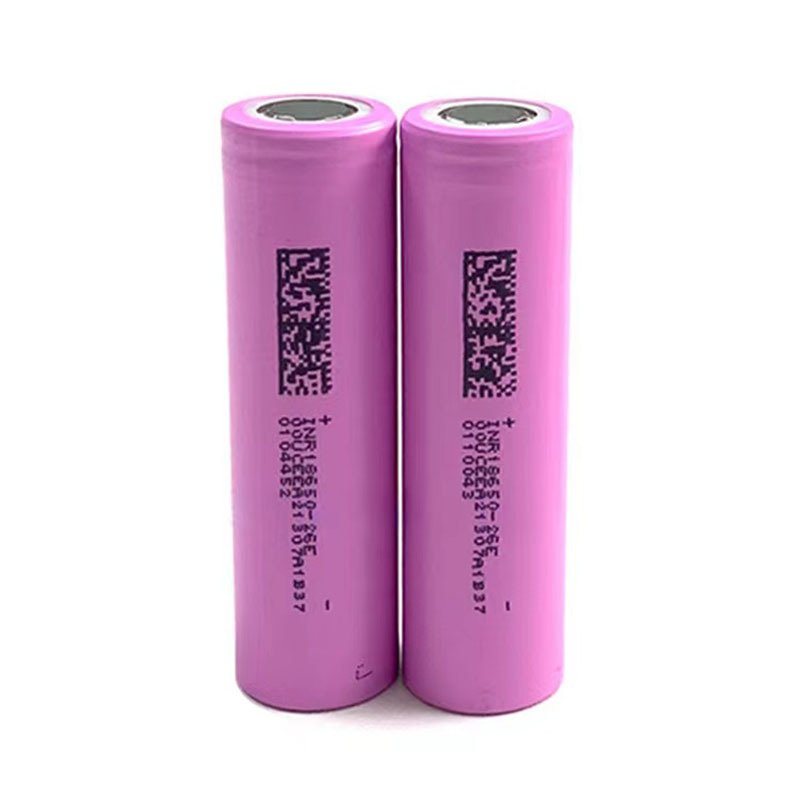
The 18650 form factor (18mm diameter × 65mm length) offers standardized integration across battery management systems while providing sufficient energy density for urban and suburban mobility applications. Typical specifications include 3.2V nominal voltage, 1,500-2,000mAh capacity per cell, and continuous discharge rates of 3C-5C depending on manufacturer specifications.
Critical Performance Parameters for 2026 Procurement Specifications
Cycle Life Verification: Reputable manufacturers should provide third-party validated cycle test data following IEC 62660-2 standards. Look for documented testing at 25°C ambient temperature with 1C charge/discharge rates. Premium 18650 LFP cells should demonstrate less than 20% capacity fade after 3,000 cycles.
Thermal Performance: Operating temperature ranges must align with regional climate conditions. For European markets, cells should function reliably between -20°C to 60°C. North American specifications often require extended high-temperature tolerance up to 65°C for southern state deployments.
Safety Certifications: EU-bound products require UN 38.3, IEC 62133, and CE marking compliance. US market entry demands UL 1642 cell certification plus UL 2271 pack-level validation. These certifications are non-negotiable for insurance and liability protection.
Standardized Testing Methodologies for Quality Assurance
Professional procurement teams should implement incoming quality verification protocols including:
- Capacity Testing: Measure actual capacity at 0.5C discharge rate after standard charging cycles
- Internal Resistance Measurement: Verify DC resistance remains within manufacturer specifications (typically 30-50mΩ)
- Self-Discharge Rate: Monitor voltage drop over 28-day storage periods at 25°C
- Thermal Imaging: Identify cell-to-cell variation during high-rate discharge scenarios
Consistent testing across production batches ensures pack-level performance uniformity, directly impacting warranty claim rates and customer satisfaction metrics.
Regional Compliance and Technical Barriers for Global Markets
Understanding地域-specific regulatory requirements represents a critical competitive advantage. European manufacturers face increasingly stringent battery passport requirements under the new EU Battery Regulation 2023, mandating carbon footprint disclosure and recycled content percentages. US procurement follows a fragmented state-level compliance landscape, with California’s Title 20 and New York’s energy storage standards leading technical requirements.
Chinese manufacturers serving global markets must demonstrate compliance flexibility across multiple certification frameworks. Established suppliers maintain dedicated testing laboratories for pre-certification validation, reducing time-to-market for international customers. For detailed manufacturer qualification criteria, visit https://cnsbattery.com/battery-manufacturers-in-china/ to understand production capability assessments.
Integration Considerations for Electric Motorcycle OEMs
Battery pack design extends beyond cell selection. BMS compatibility, thermal management architecture, and mechanical integration requirements must align with vehicle platform specifications. Modular 18650 configurations enable scalable energy capacity from 2kWh commuter models to 8kWh performance motorcycles without redesigning core battery architecture.
For technical consultation on specific application requirements, engineering teams should establish direct communication channels with qualified suppliers. Contact information and technical support resources are available at https://cnsbattery.com/contact-2/ for project-specific discussions.
2026 Market Outlook and Procurement Recommendations
The 18650 LFP segment continues maturing with improved energy density reaching 180-200 Wh/kg at cell level while maintaining cycle life advantages. Price stability has improved following 2024-2025 lithium market corrections, enabling more predictable long-term procurement planning.
Key Recommendation: Prioritize suppliers with documented track records in motorcycle applications over general-purpose cell manufacturers. Application-specific validation reduces integration risks and accelerates certification timelines.
Explore comprehensive cylindrical cell specifications and technical documentation at https://cnsbattery.com/products-3/cylindrical-battery-cell/ for current product portfolios matching 2026 performance requirements.
Conclusion
The 18650 LFP cell represents the optimal balance of cycle life, safety, and cost for electric motorcycle applications entering 2026 production cycles. Technical professionals should focus verification efforts on cycle life validation, regional certification compliance, and supplier manufacturing consistency. By implementing rigorous testing protocols and selecting partners with global certification capabilities, OEMs can deliver reliable products meeting diverse market requirements while minimizing warranty exposure and maximizing customer satisfaction over the product lifecycle.
This technical guide serves procurement engineers and R&D teams evaluating battery specifications for electric motorcycle platforms. All performance data should be verified through independent testing before final specification approval.