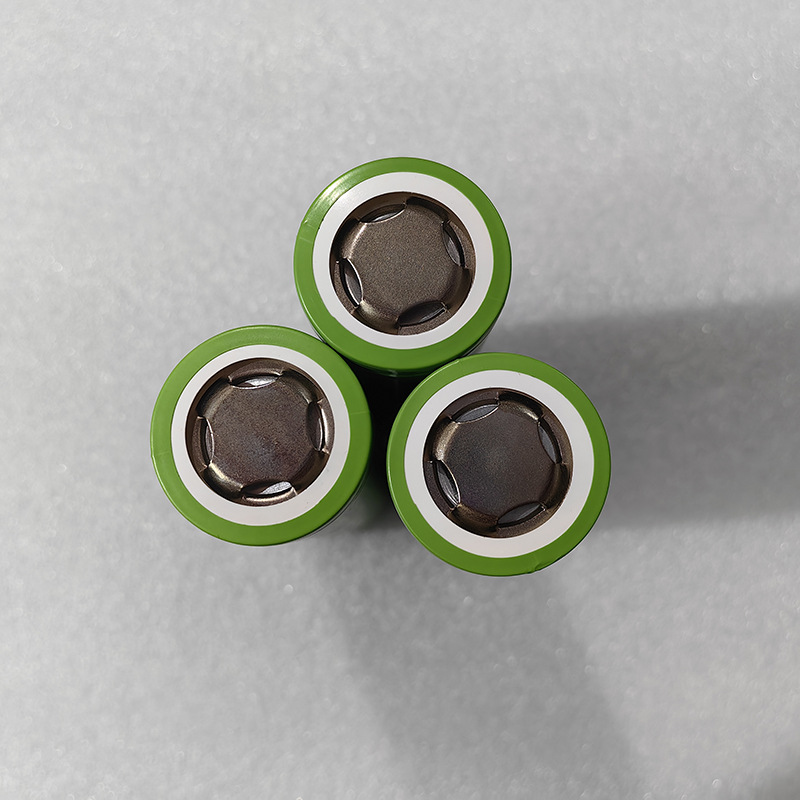
Ultimate Guide to 18650 LFP Cells for E-bike 2026 – Complete Short Lead Time Focus
In the rapidly evolving landscape of electric mobility, the 18650 LFP (Lithium Iron Phosphate) cell has emerged as a critical component for E-bike OEMs and engineers. As we move through 2026, the demand for high-safety, long-cycle-life energy storage solutions has never been higher. Unlike traditional NMC batteries, LFP chemistry offers inherent thermal stability and a lower cost of ownership, making it the preferred choice for next-generation electric two-wheelers.
However, for B2B buyers and technical decision-makers, the challenge often lies not just in the specification, but in the supply chain. In 2026, the most pressing question is not just “Are the cells safe?” but “Can you deliver them fast without compromising quality?”
This guide cuts through the noise to provide a technical deep dive into 18650 LFP cells, focusing specifically on the intersection of performance and supply chain agility.
Why 18650 LFP is the Standard for 2026 E-bikes
While pouch and prismatic cells are common, the cylindrical 18650 form factor remains the backbone of the industry due to its mechanical robustness and mature manufacturing processes. When combined with LFP chemistry, it creates a “best of both worlds” scenario.
Technical Principle:
The “18650” designation refers to the physical dimensions: 18mm in diameter and 65mm in length. The “LFP” refers to the cathode material (Lithium Iron Phosphate). Unlike Cobalt-based chemistries, LFP has a stable olivine crystal structure. This means that even under mechanical stress or high temperatures, the material does not decompose easily, preventing thermal runaway.
Key Advantages for E-bikes:
- Safety First: LFP cells do not release oxygen during combustion, making fire propagation nearly impossible.
- Longevity: LFP chemistry typically supports 2000-3000 charge cycles, significantly outlasting standard NMC cells. This translates to an E-bike battery that lasts 5-8 years without significant degradation.
- Cost Efficiency: With no reliance on Nickel or Cobalt, LFP cells offer a lower $/kWh ratio, improving the ROI for fleet operators and consumers.
The 2026 Supply Chain Reality: Lead Time is King
For engineers and procurement managers in 2026, securing a reliable supply of 18650 LFP cells is often the bottleneck in product development or seasonal production ramp-ups. The “Complete Short Lead Time Focus” is not just a marketing slogan; it is a necessity in the current market volatility.
Long lead times can cripple a product launch. This is where partnering with a manufacturer that utilizes automated production lines and maintains strategic raw material reserves becomes a competitive advantage. A short lead time ensures that your R&D iterations are rapid and your production lines never halt due to a lack of cells.
Top 3 18650 LFP Models for E-bike Applications (2026)
Based on current market availability and technical specifications relevant to E-bikes, here are the models engineers should consider. These cells balance energy density with the high discharge rates required for pedal-assist systems.
1. INR18650-2500 (Power Focused)
For heavy-duty E-bikes and cargo bikes, power density is more critical than pure capacity.
- Specs: 2500mAh, 3.7V, Max Continuous Discharge 15C.
- Application: This model is ideal for high-torque applications. The 15C discharge rate means it can deliver 37.5 Amps continuously, perfect for steep inclines or rapid acceleration.
- Why it fits: It avoids the “sag” (voltage drop) often seen in lower-discharge cells under heavy load.
2. INR18650-3500 (Energy Focused)
For standard commuter E-bikes where range is the primary concern.
- Specs: 3500mAh, 3.6V, Max Continuous Discharge 7000mA (7A).
- Application: This high-capacity variant is suitable for Smart Home integration and daily commuting. It allows for smaller, lighter packs without sacrificing the ability to travel 50-70km on a single charge.
- Why it fits: The 3.5Ah capacity provides a high energy-to-weight ratio within the constraints of the 18650 can.
3. INR18650-3000 (The Balanced Workhorse)
The most versatile option for the mid-tier E-bike market.
- Specs: 3000mAh, 3.7V, Max Continuous Discharge 20A.
- Application: This is the “Goldilocks” zone for most commercial applications. It offers a good blend of cycle life (up to 1000 cycles at 80% retention) and power.
- Why it fits: It strikes a balance between the high heat of pure power cells and the low current limits of pure energy cells.
Technical Integration: Beyond the Cell
When designing an E-bike battery pack using 18650 LFP cells, engineers must consider more than just the cell chemistry. The surrounding architecture is vital for safety and performance.
- Thermal Management: While LFP is thermally stable, heat is still the enemy of longevity. Cylindrical cells have less surface contact area compared to pouch cells, so designing a pack with adequate airflow or thermal paste application is crucial.
- BMS (Battery Management System): LFP cells have a very flat voltage curve. This means the voltage stays around 3.2V – 3.3V for most of the discharge cycle. Your BMS must be specifically calibrated for LFP chemistry to accurately calculate the State of Charge (SoC). Using an NMC-calibrated BMS on an LFP pack will result in inaccurate range predictions.
- Mechanical Protection: The steel can of the 18650 provides excellent protection, but the connections between cells (usually spot-welded nickel strips) are vulnerable. Ensure your design accounts for vibration damping, a critical factor in E-bike applications.
How to Secure Your Supply in 2026
If you are an engineer or a technical buyer looking to integrate 18650 LFP cells into your 2026 product roadmap, the next step is to engage with a manufacturer that understands both the physics of the battery and the urgency of the market.
For those requiring a partner with automated production capabilities and a focus on rapid delivery timelines, exploring a manufacturer with a proven track record in cylindrical cell technology is essential.
If you need a reliable source for Cylindrical Battery Cells or wish to discuss custom specifications for your E-bike project, you can view the full range of technical offerings here: Cylindrical Battery Cell Product Line.
For B2B inquiries and technical consultations regarding supply chain logistics and lead times, please contact the sales engineering team directly: Contact CNS BATTERY.
Understanding the nuances of Battery Manufacturers in China is key to navigating the 2026 supply chain. By focusing on partners who prioritize both technical excellence and logistical speed, you can ensure your E-bike designs move from prototype to production seamlessly.