

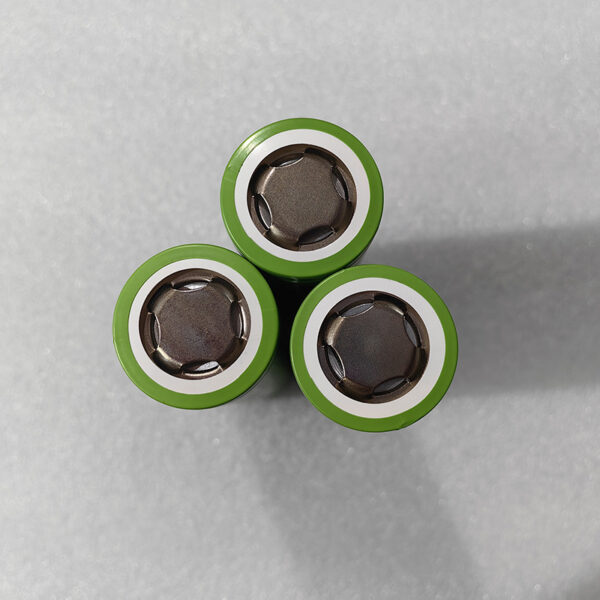
Ultimate Guide to 18650 LFP Cells for E-bike 2026 – Complete OEM Customization Focus
The electric bike industry continues its explosive growth trajectory into 2026, with lithium iron phosphate (LFP) chemistry emerging as the preferred choice for manufacturers prioritizing safety, longevity, and total cost of ownership. This comprehensive guide focuses specifically on 18650 LFP cells for e-bike applications, delivering actionable insights for OEMs, distributors, and system integrators seeking reliable battery solutions.
Why 18650 LFP Cells Dominate E-bike Markets in 2026
LFP chemistry offers distinct advantages over traditional NMC alternatives for e-bike applications. The thermal stability of lithium iron phosphate significantly reduces thermal runaway risks, a critical consideration given the diverse operating environments e-bikes encounter globally. With cycle life exceeding 2,000-3,000 full discharge cycles at 80% depth of discharge, 18650 LFP cells deliver 3-5 years of reliable service under typical commuting conditions.
The standardized 18mm diameter and 65mm length dimensions enable modular pack designs that accommodate various frame geometries. This form factor compatibility explains why major e-bike manufacturers continue specifying 18650 cells despite the emergence of larger format alternatives.
Critical Technical Specifications for OEM Selection
When evaluating 18650 LFP cells for e-bike integration, several parameters demand careful attention. Capacity ratings typically range from 1,500mAh to 2,000mAh per cell, with continuous discharge rates between 1C and 3C sufficient for most pedal-assist and throttle-controlled systems. Voltage characteristics show nominal 3.2V per cell with charging cutoff at 3.65V, requiring BMS configurations specifically calibrated for LFP chemistry.
Temperature performance represents another crucial consideration. Quality 18650 LFP cells maintain acceptable performance between -20°C to 60°C ambient conditions, though charging below 0°C requires specialized low-temperature protocols to prevent lithium plating. Manufacturers serving Northern European or Canadian markets should prioritize cells with enhanced low-temperature specifications.
Compliance and Certification Requirements
International market access demands comprehensive certification documentation. For European distribution, UN38.3 transportation testing, IEC 62133 safety certification, and CE marking remain mandatory. North American markets require UL 2271 or UL 2849 certification depending on complete battery system configuration. Reputable suppliers provide complete test reports and maintain traceability documentation throughout the supply chain.
The 2026 regulatory landscape increasingly emphasizes battery passport requirements and carbon footprint disclosure. Forward-thinking OEMs partner with manufacturers capable of providing detailed material sourcing information and end-of-life recycling pathways.
OEM Customization Pathways
Successful e-bike battery programs leverage manufacturer flexibility across multiple dimensions. Cell grading consistency within ±50mAh capacity matching enables balanced pack performance and extended service life. Custom labeling options support brand identity while barcode integration facilitates warranty tracking and quality management.
Pack configuration flexibility allows manufacturers to optimize voltage and capacity combinations for specific applications. Common e-bike configurations include 36V (12S), 48V (15S), and 52V (16S) arrangements, with parallel cell counts determined by range requirements and space constraints.
For detailed product specifications and customization options, explore our cylindrical battery cell offerings.
Procurement Best Practices for 2026
Supply chain resilience has become paramount following recent industry disruptions. Diversified sourcing strategies, minimum order quantity flexibility, and clear lead time commitments protect production schedules. Quality-focused OEMs conduct factory audits verifying manufacturing processes, quality control systems, and capacity claims before committing to volume purchases.
Price negotiations should consider total landed cost including logistics, duties, and potential quality failure expenses rather than unit price alone. Long-term supply agreements with price adjustment mechanisms based on raw material indices provide stability for both parties.
When evaluating potential manufacturing partners, assess their technical support capabilities, warranty terms, and responsiveness to quality concerns. Established manufacturers maintain application engineering teams capable of supporting pack design optimization and troubleshooting field issues.
Learn more about qualified battery manufacturers in China for your sourcing requirements.
Case Study: European E-bike OEM Implementation
A Netherlands-based e-bike manufacturer recently transitioned from NMC to 18650 LFP cells across their urban commuter lineup. The redesign maintained identical external dimensions while achieving 40% improvement in expected cycle life. Safety testing demonstrated significantly reduced thermal propagation during abuse conditions, supporting their premium positioning in safety-conscious European markets.
The manufacturer reported 15% reduction in warranty claims during the first year, offsetting the marginally higher initial cell cost. Customer satisfaction scores improved notably, particularly regarding battery longevity perceptions after two years of operation.
Implementation Timeline and Next Steps
Typical OEM battery development cycles span 12-16 weeks from initial specification to production validation. This timeline includes cell sampling, pack prototyping, certification testing, and pilot production runs. Early engagement with manufacturing partners accelerates this process through parallel activity coordination.
For organizations ready to advance their e-bike battery programs, direct communication with qualified suppliers initiates the customization process. Technical teams can provide application-specific recommendations, sample cells for evaluation, and detailed quotations based on volume requirements.
Contact our team to discuss your specific OEM customization requirements and receive personalized technical support for your e-bike battery development projects.
Conclusion
The 18650 LFP cell represents the optimal balance of safety, longevity, and cost-effectiveness for 2026 e-bike applications. Success requires careful supplier selection, thorough technical validation, and strategic partnership development. Organizations investing in quality LFP solutions today position themselves competitively for the evolving electric mobility landscape, where reliability and safety increasingly differentiate market leaders from followers.


