Ultimate Guide to 18650 LFP Cells for E-bike 2026 – Complete Long Cycle Life Focus
Introduction
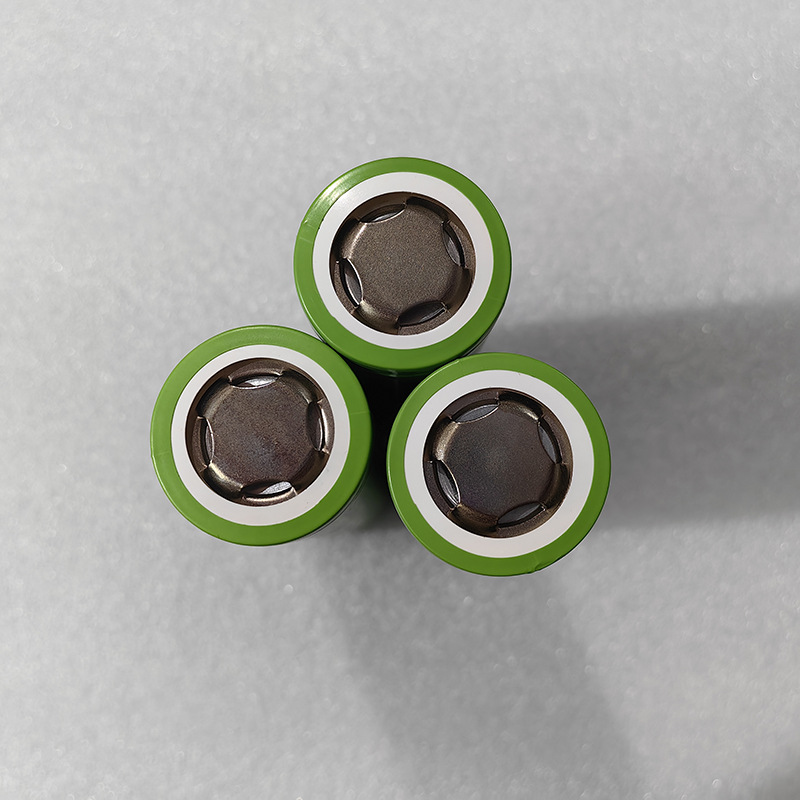
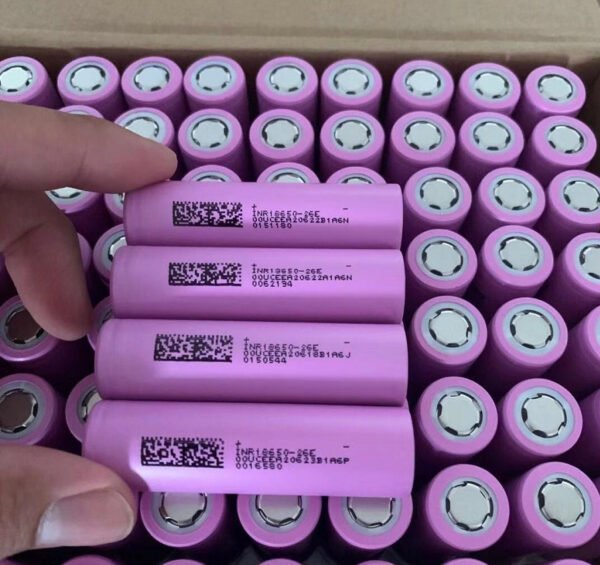
As the e-mobility industry advances into 2026, lithium iron phosphate (LFP) chemistry has emerged as the preferred choice for commercial e-bike manufacturers prioritizing safety, longevity, and total cost of ownership. Among various form factors, 18650 LFP cells offer an optimal balance between energy density, thermal stability, and manufacturing maturity. This technical guide provides engineering-focused insights for B2B buyers, technical procurement specialists, and battery system designers evaluating 18650 LFP solutions for electric bicycle applications.
Technical Specifications and Performance Characteristics
Cell Chemistry Fundamentals
LFP (LiFePO₄) cathode material delivers inherent advantages over NCM/NCA alternatives for e-bike applications. The olivine crystal structure provides exceptional thermal stability with decomposition temperatures exceeding 270°C, significantly reducing thermal runaway risks during operation or charging. For 18650 format cells, typical specifications include:
- Nominal Voltage: 3.2V (vs. 3.6-3.7V for NCM)
- Capacity Range: 1,500-2,000mAh per cell
- Cycle Life: 2,000-5,000 cycles at 80% DOD
- Operating Temperature: -20°C to 60°C (discharge), 0°C to 55°C (charge)
- Internal Resistance: 35-50mΩ (typical for quality cells)
Pack Configuration Considerations
For standard e-bike battery packs, 18650 LFP cells require series-parallel configurations to achieve target voltages. A 48V system typically employs 15S configurations (15 cells in series = 48V nominal), while 52V systems use 16S arrangements. Parallel groups (P) determine capacity and discharge capability:
- 48V 10Ah pack: 15S4P (60 cells total)
- 48V 20Ah pack: 15S8P (120 cells total)
- 52V 15Ah pack: 16S6P (96 cells total)
Engineers must account for the lower nominal voltage when designing BMS parameters and motor compatibility.
Cycle Life Optimization Strategies
Depth of Discharge Management
LFP chemistry demonstrates remarkable cycle life retention when operated within optimal parameters. Field data from 2025-2026 indicates:
| DOD Level | Expected Cycles | Capacity Retention |
|---|---|---|
| 80% DOD | 3,000-4,000 | 80% after cycle life |
| 60% DOD | 4,000-5,000 | 85% after cycle life |
| 40% DOD | 5,000-7,000 | 90% after cycle life |
For commercial e-bike fleets, implementing BMS algorithms that limit maximum DOD to 80% extends usable pack life by 40-60% compared to full discharge cycles.
Temperature Management Protocols
LFP cells exhibit reduced charging acceptance below 0°C. Advanced BMS implementations should incorporate:
- Low-temperature charging protection – Disable charging below 0°C
- Active thermal management – Maintain 15-35°C optimal range
- Temperature gradient monitoring – Detect cell-to-cell variations exceeding 5°C
Quality Assurance and Cell Matching
Manufacturing Consistency
For B2B procurement, cell-to-cell consistency directly impacts pack longevity. Key parameters requiring tight tolerances include:
- Capacity matching: ±30mAh maximum variance within parallel groups
- Internal resistance: ±5mΩ maximum variance
- Self-discharge rate: <3% per month at 25°C
Reputable manufacturers implement automated grading systems ensuring cells within each production batch meet specified tolerance ranges. Technical buyers should request cell matching certificates and batch traceability documentation as part of procurement specifications.
Safety Certifications
Compliant 18650 LFP cells for e-bike applications should carry relevant international certifications:
- UN38.3 – Transportation safety
- IEC 62133 – Secondary cells safety
- UL 1642 – Cell safety standard
- CE/RoHS – European market compliance
Cost-Benefit Analysis for Commercial Applications
While LFP cells command 15-20% premium over equivalent NCM solutions on initial purchase, the total cost of ownership (TCO) favors LFP for commercial deployments:
- Extended replacement intervals: 5+ years vs. 2-3 years for NCM
- Reduced warranty claims: Lower thermal incident rates
- Higher residual value: Better capacity retention at end-of-first-life
- Recycling advantages: Cobalt-free chemistry simplifies end-of-life processing
For fleet operators calculating cost-per-kilometer, LFP-based packs typically deliver 30-40% lower TCO over 5-year operational periods.
Integration Support and Supplier Selection
When evaluating 18650 LFP cell suppliers for e-bike production, technical procurement teams should assess:
- Manufacturing capacity – Minimum 50MWh annual production capability
- Quality management – ISO 9001, IATF 16949 certifications
- Technical support – In-house engineering team for pack design assistance
- Supply chain transparency – Raw material sourcing documentation
- After-sales service – Warranty terms and failure analysis capabilities
Established Chinese battery manufacturers have demonstrated competitive advantages in LFP cell production, combining mature manufacturing processes with cost-effective pricing structures suitable for global e-bike OEMs.
Conclusion
The 18650 LFP cell format represents a technically sound choice for e-bike manufacturers prioritizing cycle life, safety, and long-term value. As the industry matures through 2026, procurement decisions should balance initial costs against total ownership expenses, with particular attention to cell quality consistency and supplier technical capabilities.
For engineering teams seeking qualified 18650 cylindrical battery cell solutions, explore our comprehensive product range at Cylindrical Battery Cell. Technical procurement specialists can connect with our engineering team through our Contact Page for application-specific consultations. To learn more about our manufacturing capabilities and quality systems, visit our Battery Manufacturers in China overview.
This technical guide reflects industry standards and performance data as of Q1 2026. Specifications may vary by manufacturer and should be verified through direct supplier engagement.