The 46150 Battery Cell: Technical Deep Dive & Industrial Applications
In the rapidly evolving landscape of energy storage, cylindrical lithium-ion batteries remain a cornerstone of modern industrial design. While the 18650 and 21700 formats dominate consumer electronics and light EVs, the industrial sector demands higher throughput and energy density. This is where the 46150 battery cell architecture comes into play, representing a significant leap in the “tabless” or “large cylindrical” design philosophy. As a professional lithium battery practitioner, I will guide you through the technical nuances of this format, its distinct advantages over legacy cells, and how manufacturers are leveraging this technology to solve complex energy storage problems.
Understanding the 46150 Format
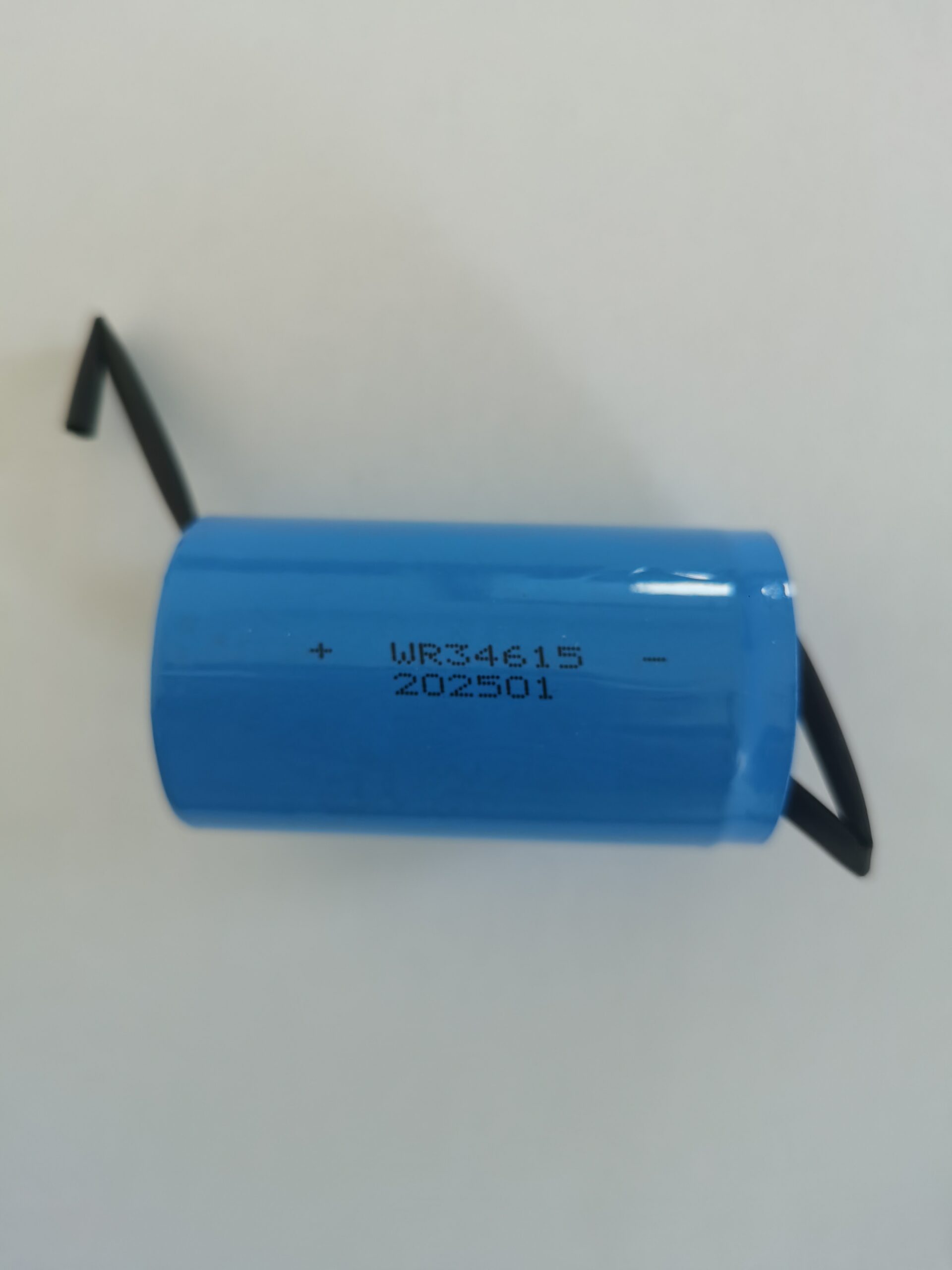
The nomenclature “46150” follows the standard industry coding system for cylindrical cells:
- 46: Denotes the nominal diameter of the cell in millimeters (approximately 46mm).
- 150: Denotes the nominal height of the cell in millimeters (approximately 150mm).
This format belongs to the “large format” cylindrical family, bridging the gap between the traditional 21700 cells and the massive prismatic modules. Unlike the older 18650 cells that often utilized “C-grade” manufacturing tolerances, the 46150 is engineered for “A-grade” applications requiring high consistency and structural integrity.
Technical Advantages: Why 46150?
From an engineering perspective, the 46150 format solves two critical bottlenecks present in smaller cells: thermal management and energy density.
1. Thermal Management & Power Density
One of the primary challenges in cylindrical cell design is heat dissipation. Smaller cells (like the 18650) have a high surface-area-to-volume ratio, which is good for cooling but limits total energy storage per cell. The 46150 optimizes this ratio. With a larger diameter, the internal resistance is significantly lower. According to Joule’s first law ($Q = I^2 R$), reducing resistance ($R$) directly reduces heat generation ($Q$) at the same current ($I$). This allows the 46150 to support higher continuous discharge rates, making it ideal for high-power applications such as electric heavy-duty tools and industrial robotics.
2. Structural Stability and Vibration Resistance
In industrial environments, vibration is a major enemy of battery longevity. The 46150 format features a thicker steel or aluminum casing compared to pouch cells. This robust mechanical structure provides superior resistance to physical deformation. Furthermore, the cylindrical geometry distributes internal pressure evenly during charge and discharge cycles, preventing the “swelling” issues commonly found in pouch batteries. This structural stability ensures a longer cycle life, often exceeding 3000 cycles at 80% Depth of Discharge (DoD).
3. Manufacturing Efficiency
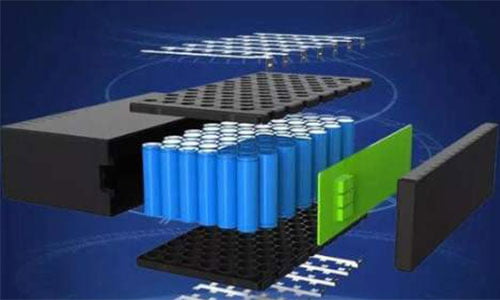
For OEMs, the 46150 offers a compelling value proposition in terms of Battery Management System (BMS) complexity. Because a single 46150 cell can store the energy of approximately 6-9 18650 cells, the total number of cells in a pack is drastically reduced. Fewer cells mean fewer welding points, fewer wires, and a simpler BMS topology. This reduction in Bill of Materials (BOM) complexity lowers the overall manufacturing cost and improves the reliability of the final product.
Industrial Applications
The 46150 battery is not just a bigger battery; it is a system-level solution. Here is how different sectors utilize this technology:
- Electric Vehicles (EVs) & E-Mobility: While the automotive sector often discusses the 4680 format, the 46150 is the workhorse for mid-sized EVs, high-speed e-scooters, and last-mile delivery logistics vehicles. Its high energy density allows for lighter packs with longer range.
- Energy Storage Systems (ESS): For commercial and industrial ESS, the 46150 offers a sweet spot between safety and capacity. Its inherent thermal stability reduces the need for complex liquid cooling systems, making it perfect for containerized storage solutions.
- High-Performance Power Tools: Industries requiring cordless tools with corded performance rely on the 46150. The high discharge rate ensures that tools do not bog down under heavy load, maintaining peak torque throughout the work cycle.
Partnering with a Professional Manufacturer
To harness the full potential of the 46150 format, partnering with a manufacturer that possesses deep R&D capabilities and rigorous quality control is non-negotiable. A professional battery manufacturer must provide not just the cells, but comprehensive system integration support.
CNS Battery, as a leading lithium-ion cylindrical battery manufacturer in China, specializes in advanced cylindrical technologies. With a manufacturing base located at No.53, Science Avenue, Zhengzhou, China, CNS Energy Co., Ltd. operates state-of-the-art facilities dedicated to producing high-performance cylindrical cells. Their expertise extends beyond standard production to include customized solutions for specific industrial requirements.
For engineers and procurement managers seeking reliable, high-density energy solutions, engaging with a manufacturer that adheres to strict international standards is crucial. Whether you require standard high-capacity cells or bespoke engineering for a unique application, the technical support team at CNS Battery is equipped to assist.
If you are looking to integrate the latest cylindrical battery technology into your next project, do not hesitate to reach out. You can explore their comprehensive range of cylindrical solutions or contact their technical consultants directly through their [Contact Information] page to discuss your specific requirements.