UL Certified 26650 Battery Cell | CNS BATTERY: Technical Deep-Dive for Global Engineering Procurement
In the evolving landscape of industrial lithium battery procurement, UL certification has become the definitive benchmark for safety compliance and market accessibility. For engineering teams and technical buyers sourcing cylindrical cells for North American and European deployments, the UL Certified 26650 Battery Cell from CNS BATTERY represents a critical component that bridges rigorous safety standards with high-performance energy density. This analysis provides a comprehensive technical breakdown for professionals evaluating battery cells for mission-critical applications.
Understanding UL Certification for 26650 Lithium Cells
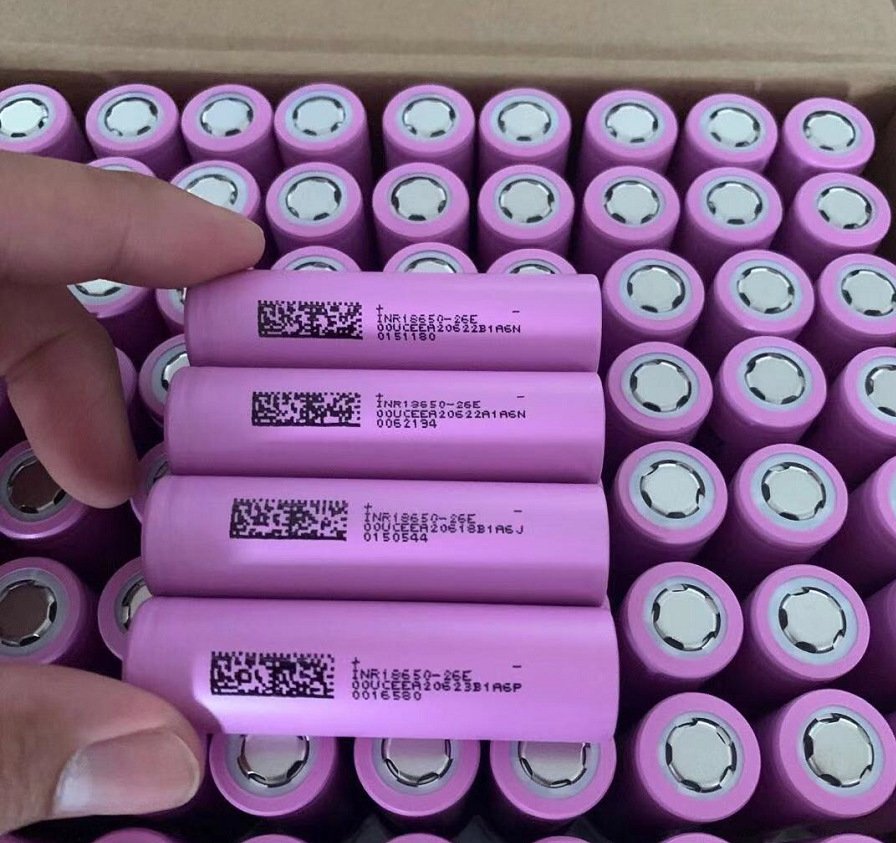
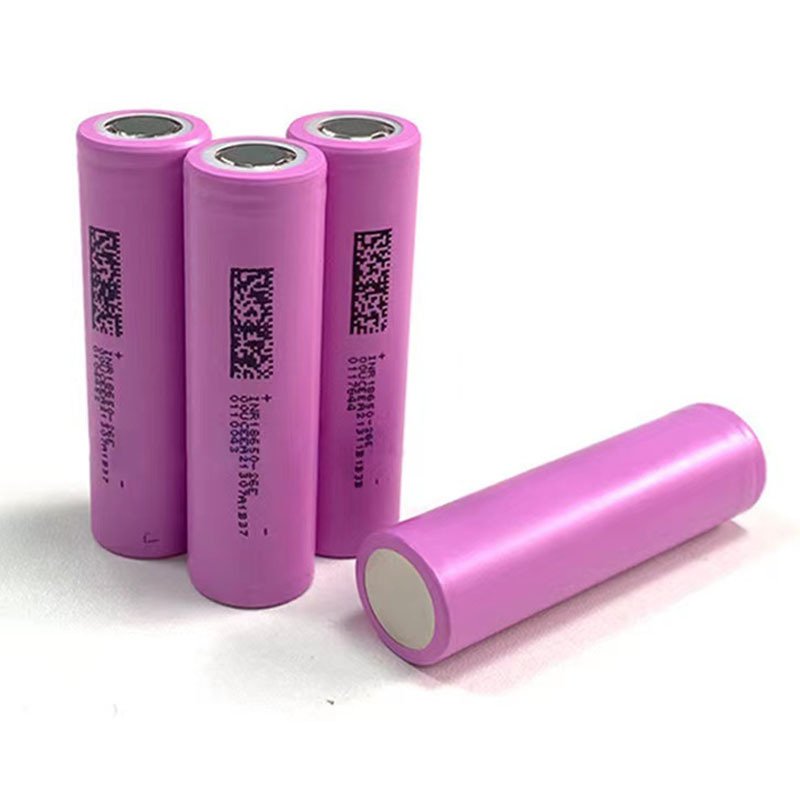
UL certification, administered by Underwriters Laboratories, validates that battery cells meet stringent safety requirements outlined in UL 1642 (for lithium cells) and UL 2054 (for battery packs). Unlike voluntary quality marks, UL certification requires comprehensive factory audits, thermal abuse testing, and electrical safety validation. For 26650 cylindrical cells—measuring 26mm in diameter and 65mm in length—this certification ensures compatibility with regulatory frameworks across the United States, Canada, and regions recognizing UL standards.
The 26650 form factor delivers superior capacity-to-volume ratios compared to smaller cylindrical formats like 18650, making it ideal for high-drain applications including power tools, medical devices, UPS backup systems, and renewable energy storage. CNS BATTERY’s UL-certified 26650 cells undergo testing protocols that exceed baseline requirements, ensuring reliability under extreme operational conditions.
Key Technical Parameters and Performance Advantages
Capacity and Energy Density: CNS BATTERY’s 26650 cells offer nominal capacities ranging from 4,500mAh to 5,000mAh, with energy densities optimized for extended runtime without compromising thermal stability. The cells utilize advanced cathode chemistries—including NMC (Nickel Manganese Cobalt) and LiFePO4 variants—to balance power output with cycle life.
Cycle Life and Degradation: Engineered for 2,000+ charge-discharge cycles at 80% depth of discharge, these cells maintain over 80% capacity retention after extended use. This performance metric is critical for industrial applications where replacement costs and downtime directly impact operational efficiency.
Thermal Management: The cylindrical form factor inherently supports superior heat dissipation compared to prismatic or pouch cells. CNS BATTERY integrates pressure-relief vents and thermal shutdown separators that activate at predetermined temperature thresholds, preventing thermal runaway propagation.
Operating Temperature Range: Validated for operation between -20°C to 60°C, with specialized low-temperature variants supporting -40°C environments. This geographic adaptability ensures deployment viability across diverse climate zones, from Scandinavian winters to Middle Eastern summers.
For detailed product specifications, visit our cylindrical battery cell catalog.
UL Testing Methodologies and Compliance Validation
UL certification for 26650 cells encompasses multiple test categories that simulate real-world failure scenarios:
Electrical Abuse Testing: Includes overcharge (up to 2x nominal voltage), external short-circuit (zero-resistance load), and forced discharge protocols. Cells must not ignite, explode, or vent hazardous materials during these tests.
Mechanical Stress Validation: Encompasses crush testing (13kN force), impact testing (1kg weight from 1m height), and vibration profiles simulating transportation conditions. Structural integrity must remain intact without electrolyte leakage.
Environmental Exposure: Temperature cycling between -40°C and 85°C, humidity exposure at 90% RH, and altitude simulation up to 15,000 meters. These tests validate performance consistency across geographic regions with varying atmospheric conditions.
Thermal Runaway Propagation: Individual cell thermal failure must not trigger adjacent cell ignition in multi-cell configurations. This is particularly critical for battery pack designers integrating 26650 cells into series-parallel arrangements.
All test data is documented in UL’s certification database, providing traceable verification for procurement audits and regulatory submissions.
Geographic Compliance and Regional Market Adaptation
CNS BATTERY’s UL-certified 26650 cells are engineered for multi-regional compliance, addressing the fragmented regulatory landscape governing lithium battery imports. For North American markets, UL certification satisfies requirements for Amazon, Walmart, and Best Buy distribution channels, while also meeting insurance underwriting criteria for commercial deployments.
European Union Alignment: While CE marking follows EN 62133 standards, UL certification provides complementary validation that accelerates market entry. Many European distributors recognize UL marks as equivalent safety indicators, reducing duplicate testing costs for multinational procurement teams.
Asia-Pacific Considerations: For deployments in Japan, South Korea, and Australia, UL certification streamlines local regulatory approvals. CNS BATTERY’s manufacturing facilities maintain ISO 9001 and ISO 14001 certifications, ensuring production consistency regardless of shipment destination.
Supply Chain Resilience: As one of the verified battery manufacturers in China, CNS BATTERY offers transparent supply chain documentation, including conflict mineral disclosures and carbon footprint assessments required by emerging ESG procurement policies.
Strategic Procurement Recommendations
For engineering teams specifying 26650 cells in 2026, prioritize suppliers offering:
- Traceable UL certification numbers verifiable through UL’s online database
- Batch-level test reports documenting capacity, impedance, and self-discharge rates
- Geographic compliance documentation supporting target market regulatory submissions
- Technical support accessibility for integration troubleshooting and failure analysis
CNS BATTERY’s commitment to certification transparency and technical documentation reduces procurement risk while accelerating time-to-market for battery-powered products.
Conclusion: Certification as Competitive Advantage
In an era where battery safety incidents trigger product recalls and liability exposure, UL certification transforms from compliance checkbox to competitive differentiator. CNS BATTERY’s 26650 cells deliver the technical performance required by demanding applications while satisfying the regulatory requirements of North American, European, and Asia-Pacific markets.
For procurement professionals evaluating battery cell suppliers, certification documentation should be weighted equally with capacity specifications and pricing. The marginal cost premium for UL-certified cells is offset by reduced insurance premiums, expanded distribution channel access, and minimized regulatory delay risks.
To discuss technical requirements or request certification documentation, contact our engineering team at CNS BATTERY Contact. Our specialists provide application-specific recommendations ensuring your battery integration meets both performance targets and compliance obligations across all target markets.
Technical specifications subject to verification through UL certification database. Regional compliance requirements may vary by application category and should be validated with local regulatory authorities before product launch.