
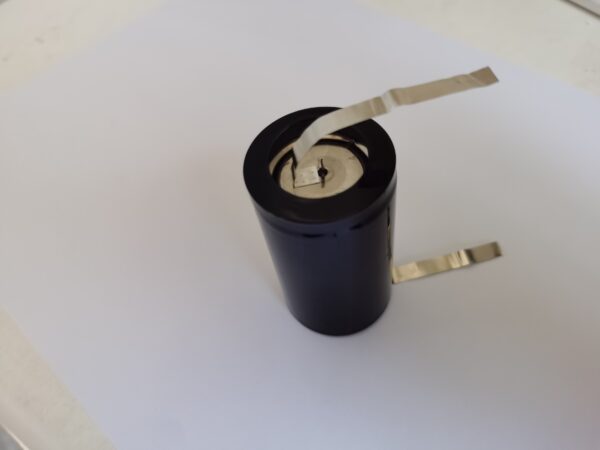
UK WEEE Compliant Lithium Primary Battery Disposal: A Technical Guide for Engineering Professionals
The proper disposal of lithium primary batteries under UK WEEE (Waste Electrical and Electronic Equipment) regulations represents a critical compliance requirement for businesses operating within the United Kingdom. As of 2026, regulatory frameworks have intensified, demanding rigorous adherence to environmental protocols while ensuring safe handling of these high-energy-density power sources. This guide addresses the technical and regulatory considerations essential for engineering teams and procurement specialists managing lithium metal battery end-of-life processes.
Understanding Lithium Primary Battery Chemistry
Lithium primary batteries, commonly referred to as lithium metal batteries, utilize metallic lithium as the anode material paired with various cathode chemistries including manganese dioxide (Li-MnO₂), iron disulfide (Li-FeS₂), or thionyl chloride (Li-SOCl₂). Unlike rechargeable lithium-ion systems, these non-rechargeable cells offer superior energy density, extended shelf life exceeding 10 years, and stable performance across extreme temperature ranges from -40°C to +85°C.
The electrochemical reaction involves lithium oxidation at the anode, releasing electrons that flow through external circuits while lithium ions migrate through the electrolyte to the cathode. This irreversible process delivers nominal voltages between 1.5V to 3.6V depending on chemistry selection. However, the presence of reactive metallic lithium introduces specific safety considerations during disposal, particularly regarding thermal runaway risks and potential fire hazards when cells are damaged or improperly handled.
UK WEEE Regulatory Framework 2026
The UK WEEE regulations, updated February 2026, establish comprehensive obligations for producers, importers, and distributors of electrical and electronic equipment containing batteries. Key compliance requirements include:
Producer Registration Obligations: Any entity manufacturing, importing, or selling EEE containing lithium primary batteries in the UK market must register with an approved Producer Compliance Scheme (PCS). This includes overseas companies supplying equipment through distance selling platforms. The PCS assumes responsibility for financing collection, treatment, recovery, and environmentally sound disposal of household WEEE.
Battery Weight Separation: Regulations mandate that battery weight must be subtracted from total EEE weight calculations for compliance reporting. This distinction ensures accurate tracking of battery-specific disposal streams separate from general electronic waste.
Evidence and National Protocols: Approved Treatment Facilities (AATF) must maintain documented evidence chains demonstrating compliant treatment processes. Full audit trails with certificates of destruction are required under UK GDPR and environmental legislation.
Classification and Transport Requirements
Lithium metal primary batteries fall under UN 3090 classification as Class 9 hazardous materials. This designation triggers specific transport, storage, and handling protocols distinct from lithium-ion batteries (UN 3480). Key considerations include:
- ADR-Compliant Packaging: Special transport containers with fire prevention features are mandatory for bulk shipments
- State of Charge Restrictions: Unlike lithium-ion batteries, primary cells must be protected against short-circuit conditions rather than charge state limitations
- Small Battery Exemptions: Cells meeting specific capacity thresholds may qualify for simplified regulatory treatment under Special Provision 188
Safe Disposal Protocols
Compliant disposal of lithium primary batteries requires systematic approaches minimizing environmental impact and safety risks:
Collection and Segregation: Establish dedicated collection points separating lithium metal batteries from other waste streams. Clear labeling following UN packaging standards prevents cross-contamination and accidental damage during handling.
Discharge Procedures: While primary batteries cannot be recharged, controlled discharge methods reduce residual energy before recycling. This minimizes thermal event risks during subsequent processing stages.
Recycling Pathways: Approved recycling facilities employ pyrometallurgical or hydrometallurgical processes to recover valuable materials including lithium, manganese, and steel casings. Metal recovery rates exceeding 80% demonstrate the economic and environmental value of proper recycling channels.
Documentation Requirements: Maintain comprehensive records including battery quantities, chemistry types, collection dates, and recycling facility certifications. These documents support regulatory audits and demonstrate due diligence in environmental compliance.
Implementation Best Practices
Engineering teams should integrate disposal considerations into product design phases through Design for Environment (DfE) principles. This includes selecting battery chemistries with established recycling infrastructure, designing accessible battery compartments for end-user removal, and providing clear disposal instructions in user documentation.
Procurement specialists must verify supplier compliance certifications and establish contractual requirements for WEEE adherence throughout the supply chain. Regular audits of disposal partners ensure ongoing regulatory alignment as requirements evolve.
For organizations seeking comprehensive guidance on lithium primary battery selection and compliance support, detailed product specifications and technical consultation are available at https://cnsbattery.com/primary-battery/. Professional compliance partnerships streamline regulatory navigation while ensuring operational continuity.
Conclusion
UK WEEE compliant lithium primary battery disposal demands integrated understanding of electrochemical properties, regulatory frameworks, and practical handling protocols. As 2026 enforcement intensifies with expanded producer responsibilities and enhanced tracking requirements, businesses must establish robust compliance systems protecting both environmental interests and operational continuity. Engineering and procurement teams equipped with current regulatory knowledge position their organizations for sustainable success in evolving compliance landscapes.
For direct compliance consultation and documentation support, contact our technical team at https://cnsbattery.com/primary-battery-contact-us/ to ensure your battery disposal programs meet all current UK regulatory requirements.
