
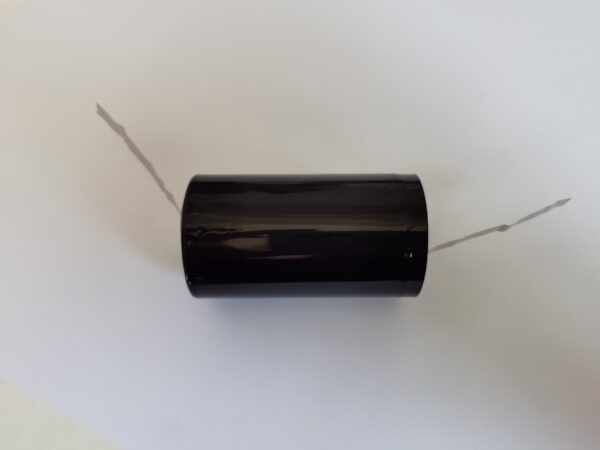
UK Space Agency Compliant Li-S Battery: Powering the Next Generation of Space Exploration
The commercialization of low Earth orbit (LEO) and deep space missions demands power systems that balance extreme energy density with uncompromising reliability. As the United Kingdom solidifies its position as a global space leader, adherence to UK Space Agency (UKSA) compliant standards has become a critical benchmark for component selection. Among emerging power solutions, the Lithium-Sulfur (Li-S) battery represents a paradigm shift, offering specific energy capabilities far exceeding traditional chemistries. For engineers and technical procurement specialists, understanding the intersection of Li-S technology and UKSA regulatory frameworks is essential for mission success.
Understanding UK Space Agency Compliance Standards
Compliance with UK Space Agency guidelines is not merely a bureaucratic checkbox; it is a rigorous validation of safety and performance under extreme conditions. While the UKSA often aligns with European Cooperation for Space Standardization (ECSS) and NASA General Specifications, specific compliance for power systems focuses on three core pillars:
- Safety and Hazard Mitigation: Space-grade batteries must pass stringent UN38.3 testing for transportation, alongside additional screening for thermal runaway, short-circuit resilience, and outgassing properties suitable for vacuum environments.
- Environmental Durability: Components must withstand high-G launch vibrations, thermal cycling between extreme shadows and direct solar exposure, and radiation exposure without significant capacity degradation.
- Traceability and Quality Assurance: Full lot traceability, material certification, and adherence to ISO 9001:2015 aerospace quality management systems are mandatory for UKSA-aligned projects.
For procurement teams, verifying that a Li-S battery manufacturer meets these criteria is the first step in risk mitigation. Detailed technical documentation and test reports should be requested directly from the supplier. For specific compliance inquiries or technical consultations regarding space-grade power solutions, engineers can reach out via this Contact Us channel to verify certification status.
Li-S Battery Technology: Principles and Advantages
To appreciate the value of UKSA compliant Li-S batteries, one must understand the underlying electrochemistry compared to conventional primary lithium batteries. Traditional space power systems often rely on Lithium-Thionyl Chloride (Li-SOCl2) or Lithium Manganese Dioxide (Li-MnO2) cells. While reliable, these chemistries are approaching their theoretical energy density limits.
The Li-S Advantage:
Lithium-Sulfur batteries utilize a lithium metal anode and a sulfur-based cathode. The electrochemical reaction involves the conversion of sulfur to lithium sulfide (Li₂S). Theoretically, Li-S chemistry offers a specific energy of up to 2,600 Wh/kg, significantly higher than the 500-700 Wh/kg typical of advanced Li-SOCl2 cells.
- Mass Reduction: In space launch economics, mass is cost. The high gravimetric energy density of Li-S allows for substantial weight savings, enabling either increased payload capacity or extended mission duration for CubeSats and nanosatellites.
- Voltage Profile: Li-S cells typically operate with an average discharge voltage around 2.1V to 2.2V. While lower than Li-SOCl2 (3.6V), the capacity gain often offsets the need for series stacking, simplifying battery management system (BMS) architecture.
- Material Abundance: Sulfur is abundant and non-toxic compared to cobalt or nickel used in some rechargeable space batteries, aligning with sustainable space initiatives promoted by the UK Space Technology Landscape.
However, Li-S technology historically faced challenges such as the “polysulfide shuttle effect,” which can lead to capacity fading. Modern UKSA compliant designs utilize advanced cathode encapsulation and electrolyte additives to mitigate this, ensuring stable discharge curves over the mission lifecycle.
Strategic Applications in Space Missions
The deployment of UKSA compliant Li-S batteries is particularly strategic for specific mission profiles where weight is the primary constraint.
- CubeSats and SmallSats: For constellations requiring minimal launch mass, Li-S batteries provide the necessary energy to support communication payloads and propulsion systems without expanding the form factor.
- Deep Space Sensors: Long-duration missions where solar power is inconsistent benefit from the high capacity retention of primary Li-S cells during hibernation phases.
- Planetary Landers: In environments with extreme temperature fluctuations, the thermal stability of compliant Li-S packs ensures reliable ignition and operation of scientific instruments.
When integrating these cells, engineers must account for the discharge characteristics. Unlike some primary lithium batteries that exhibit a flat voltage plateau until end-of-life, Li-S batteries may show a gradual voltage decline. Power system designers should size the battery pack with adequate margin to ensure the minimum voltage threshold is met throughout the mission.
Procurement and Technical Selection Guide
Selecting the right power source for UK space sector projects requires a vetted supply chain. Technical buyers should prioritize manufacturers who demonstrate a proven track record in primary battery technology and can provide custom engineering support.
Key selection criteria include:
- Customization Capability: Ability to tailor cell size, capacity, and connector interfaces to fit specific satellite bus architectures.
- Testing Data: Access to raw data from vibration, shock, and thermal vacuum testing.
- Supply Chain Security: Assurance of long-term availability for multi-year mission planning.
For a comprehensive range of high-reliability primary battery solutions suitable for demanding environments, procurement specialists are encouraged to explore the catalog at CNS Battery Primary Battery. This resource provides detailed specifications on chemistries that align with rigorous industry standards.
Conclusion
As the UK Space Agency continues to drive innovation through its technology roadmaps, the adoption of high-performance power systems like Lithium-Sulfur batteries will be pivotal. The transition from traditional lithium chemistries to Li-S offers tangible benefits in mass efficiency and energy capacity, provided that strict compliance and safety standards are met. For engineers and buyers, the focus must remain on verified compliance, robust testing, and partnership with suppliers who understand the unique demands of the space domain. By leveraging UKSA compliant Li-S technology, the next generation of space ventures can achieve greater reach and longevity.
