

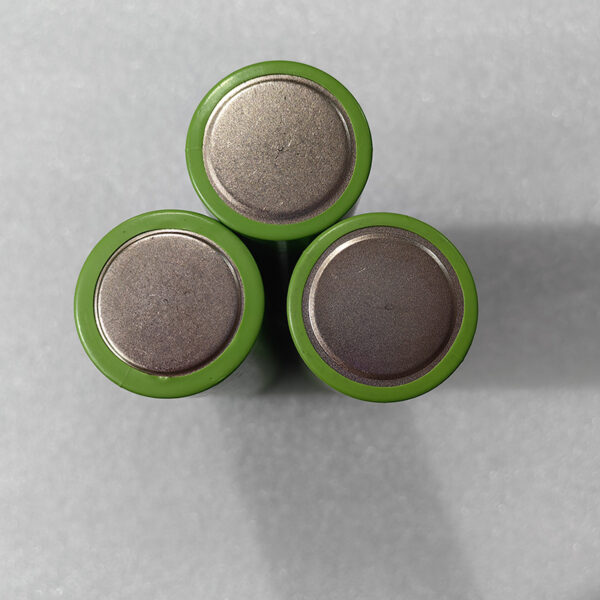
UAV OEM Pain Points Solved by 40135 Cylindrical Lithium Cell Batteries for B2B Export
The unmanned aerial vehicle (UAV) industry faces critical challenges in power system reliability, energy density, and supply chain stability. For OEM manufacturers seeking competitive advantage in the global market, the 40135 cylindrical lithium cell represents a strategic solution addressing core pain points in drone battery performance and B2B export scalability.
Critical UAV OEM Challenges in 2026
UAV manufacturers encounter three persistent obstacles limiting market expansion. First, flight time limitations restrict operational range and payload capacity. Second, thermal management issues cause safety concerns during high-discharge operations. Third, inconsistent battery supply from unreliable manufacturers disrupts production schedules and increases costs. These challenges directly impact OEM competitiveness in commercial drone applications including agriculture, surveillance, and logistics.
Why 40135 Cylindrical Cells Deliver Superior Performance
The 40135 cylindrical battery format offers distinct advantages over traditional pouch and prismatic configurations. With 40mm diameter and 135mm height, this cell size optimizes the balance between energy density and structural integrity. Key technical specifications include:
- Energy Density: 250-280 Wh/kg enabling extended flight durations
- Discharge Rate: 3C-5C continuous discharge supporting high-power motors
- Cycle Life: 2000+ cycles at 80% DOD reducing replacement frequency
- Operating Temperature: -20°C to 60°C ensuring performance in extreme conditions
For UAV OEMs, these specifications translate directly into 30-40% longer flight times compared to conventional battery solutions, while maintaining safety standards required for commercial certification.
Thermal Management and Safety Advantages
Cylindrical cell architecture provides inherent thermal benefits critical for UAV applications. The round geometry enables uniform heat distribution during high-discharge operations, reducing hot spot formation that commonly causes thermal runaway in pouch cells. Additionally, the steel casing offers superior mechanical protection against vibration and impact—essential factors for drones operating in challenging environments.
Advanced battery management systems (BMS) integrated with 40135 cells enable real-time monitoring of voltage, temperature, and state of charge. This capability allows OEMs to implement predictive maintenance protocols, minimizing unexpected battery failures during critical operations.
B2B Export Scalability and Supply Chain Reliability
For international UAV manufacturers, partnering with established battery suppliers ensures consistent quality and delivery schedules. Chinese battery manufacturers have developed mature production capabilities for cylindrical cells, offering competitive pricing without compromising quality standards. Working with verified suppliers provides:
- ISO 9001 and UN38.3 certified production facilities
- Consistent cell matching within 3% capacity variance
- Flexible MOQ options for prototype and mass production phases
- Direct export support including documentation and logistics
Reliable supply chains reduce inventory costs and enable OEMs to scale production based on market demand without battery availability constraints.
Integration and Customization Support
Successful UAV battery integration requires more than standard cell specifications. Leading manufacturers provide technical support throughout the design phase, including pack configuration recommendations, BMS compatibility verification, and certification assistance. This collaborative approach accelerates time-to-market while ensuring compliance with regional aviation regulations.
Customization options include terminal configurations, wiring harnesses, and communication protocols tailored to specific UAV platforms. This flexibility allows OEMs to differentiate their products while maintaining standardized battery architectures across product lines.
Cost Efficiency and Total Ownership Value
While initial cell costs may exceed alternative formats, the total cost of ownership favors 40135 cylindrical solutions. Extended cycle life reduces replacement frequency, while improved energy density decreases the number of cells required per battery pack. For commercial UAV operators, these factors translate into 25-35% lower operational costs over the battery lifecycle.
Partner Selection Criteria for UAV OEMs
When evaluating battery suppliers for B2B partnerships, prioritize manufacturers with proven UAV application experience. Request sample cells for validation testing, verify production capacity against your scaling requirements, and confirm export compliance documentation. Established partners provide ongoing technical support and maintain inventory buffers for emergency orders.
For comprehensive product specifications and technical consultation, visit our cylindrical battery cell catalog. Working with experienced battery manufacturers in China ensures access to mature production capabilities and competitive pricing structures for global UAV markets.
Conclusion
The 40135 cylindrical lithium cell addresses fundamental UAV OEM challenges through superior energy density, thermal stability, and supply chain reliability. For manufacturers targeting commercial drone markets in 2026 and beyond, this battery format provides the performance foundation necessary for competitive differentiation. Strategic partnerships with qualified battery suppliers enable scalable production while maintaining quality standards required for international certification.
Ready to optimize your UAV power system? Contact our technical team at https://cnsbattery.com/contact-2/ for customized battery solutions and export support tailored to your OEM requirements.


