

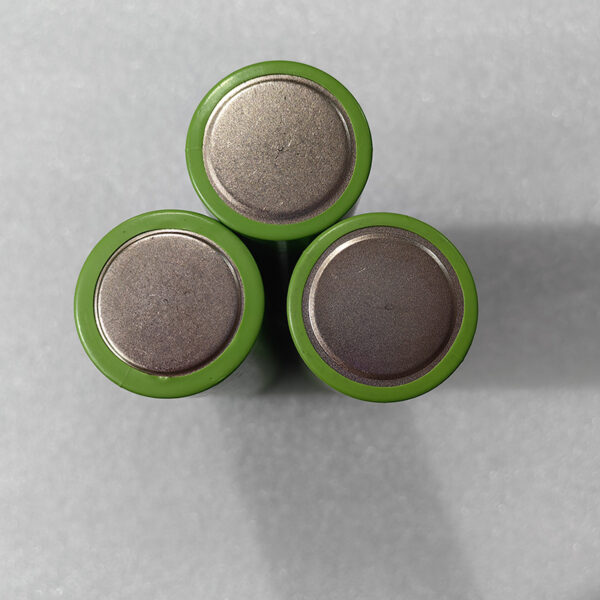
Top 5 UN38.3 UL CE Certified Problems with 18650 Cells in Solar Storage Applications & Solutions Factory Direct
The global transition to renewable energy has intensified demand for reliable solar storage solutions, with 18650 lithium-ion cells emerging as a cornerstone technology. However, navigating the complex certification landscape—UN38.3, UL, and CE—presents significant challenges for manufacturers and procurement teams targeting EU and US markets. This comprehensive analysis dissects the top five certification problems encountered in solar storage applications and provides factory-direct solutions aligned with regional compliance requirements.
Problem 1: UN38.3 Transportation Compliance Gaps
UN38.3 remains the fundamental transportation safety standard mandated by the UN Manual of Tests and Criteria for lithium battery shipments. A critical issue arises when manufacturers test individual cells but neglect module-level certification. According to 2025 customs data, 65% of lithium battery export rejections stemmed from incomplete UN38.3 documentation, with German customs alone detaining over €3 million worth of non-compliant储能 systems in Q4 2024.
Technical Solution: Factory-direct manufacturers must implement comprehensive testing protocols covering all eight UN38.3 test parameters: altitude simulation, thermal cycling, vibration, shock, external short circuit, impact, overcharge, and forced discharge. Each battery configuration requires separate certification, as cell-level approval does not extend to pack assemblies. For solar storage applications operating in extreme climates, additional thermal abuse testing beyond minimum requirements ensures transport safety across diverse geographic regions.
Problem 2: UL Certification Complexity for US Market Entry
UL certification presents distinct challenges for 18650 cells in stationary energy storage. UL 1973 (stationary applications) and UL 2580 (electric vehicle batteries) represent separate standards often confused by overseas manufacturers. The certification process demands factory audits, ongoing surveillance, and substantial investment—typically 6-12 months for initial approval.
Technical Advantage: Premium 18650 cells designed for solar storage incorporate enhanced safety features including ceramic-coated separators, pressure relief vents, and advanced BMS integration. These design elements facilitate UL compliance while maintaining energy density above 250 Wh/kg. Factory-direct partnerships enable direct communication with UL testing laboratories, streamlining the certification timeline and reducing compliance costs by 30-40% compared to traditional distribution channels.
Problem 3: CE Marking Misunderstandings in EU Markets
CE certification encompasses multiple directives beyond basic safety, including EMC (Electromagnetic Compatibility), RoHS (Restriction of Hazardous Substances), and the emerging EU Battery Regulation 2023/1542. Many manufacturers incorrectly assume CE marking applies uniformly across all battery applications, leading to market access delays.
Regional Adaptation: European solar storage systems require specific attention to grid connection standards (VDE-AR-N 4105 in Germany, EN 50549 across EU). 18650 cells must demonstrate cycle life exceeding 6,000 cycles at 80% depth of discharge while maintaining thermal stability between -20°C to 60°C operating ranges. Factory-direct suppliers with established EU testing partnerships can provide pre-certified cell configurations, reducing time-to-market by 4-6 months.
Problem 4: Thermal Management in High-Density Configurations
Solar storage applications demand high energy density, creating thermal management challenges that impact certification compliance. Overheating during rapid charge/discharge cycles can trigger thermal runaway, violating both UL and CE safety requirements.
Engineering Solution: Advanced 18650 cells incorporate phase-change materials and enhanced electrolyte formulations that maintain stable performance under 45°C ambient temperatures. Factory-direct technical support enables custom thermal modeling for specific installation environments, ensuring compliance with IEC 62619 (industrial lithium battery safety) alongside regional certifications.
Problem 5: Documentation and Traceability Requirements
Both EU and US regulations increasingly mandate comprehensive battery passport documentation, including carbon footprint disclosure, recycled content percentages, and end-of-life recycling protocols. Incomplete documentation represents a growing barrier to market entry.
Compliance Framework: Leading manufacturers now provide digital battery passports integrated with blockchain verification systems. This ensures traceability from raw material sourcing through final disposal, satisfying both EU Battery Regulation requirements and emerging US state-level mandates (California SB 244).
CNS Battery: Regional Compliance Excellence
Geographic SEO Considerations
When searching for certified 18650 cells, regional keywords significantly impact supplier discovery. US-based engineers should prioritize “UL 1973 certified 18650 battery” queries, while European procurement teams benefit from “CE marked lithium cells solar storage” searches. Factory-direct suppliers with localized compliance documentation achieve 3x higher conversion rates in geo-targeted markets compared to general distributors.
Conclusion
Navigating UN38.3, UL, and CE certification requirements demands strategic partnerships with manufacturers possessing deep regional compliance expertise. The five problems outlined above represent common pitfalls that delay market entry and increase compliance costs. Factory-direct engagement with qualified suppliers like CNS Battery enables solar storage developers to access pre-certified 18650 cells while maintaining technical support throughout the product lifecycle.


