

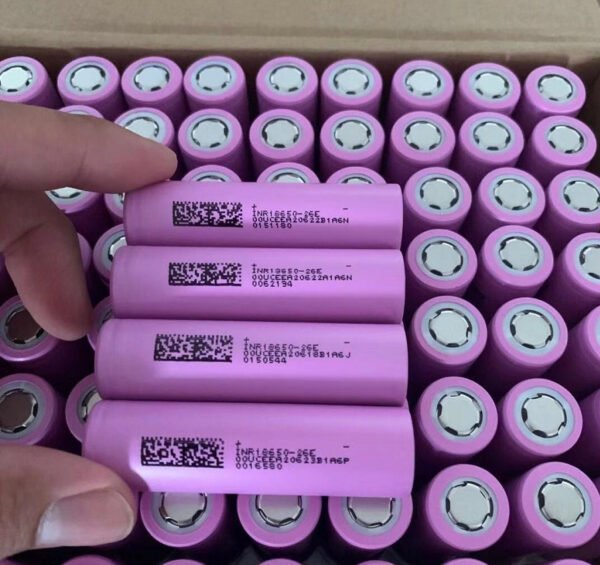
Top 5 UN38.3 Certification Solved with 18650 32700 LFP Cells
For global battery engineers and technical procurement specialists, UN38.3 certification remains the critical gateway for lithium battery international transportation. As we navigate 2026 regulatory landscapes, cylindrical LFP cells—particularly 18650 and 32700 formats—have emerged as the most reliable solutions for achieving seamless UN38.3 compliance across EU, US, and Asian markets.
Understanding UN38.3 Certification Requirements
UN38.3, derived from the UN Manual of Tests and Criteria Part III Section 38.3, mandates eight rigorous safety tests ensuring lithium batteries withstand extreme transportation conditions without thermal runaway, leakage, or explosion risks. For cylindrical cells, certification validity requires comprehensive documentation including MSDS reports, UN38.3 test summaries, and air/sea transport identification certificates.
Top 5 Technical Advantages of 18650/32700 LFP Cells for UN38.3 Compliance
1. Superior Thermal Stability
Lithium Iron Phosphate (LFP) chemistry operates at nominal 3.2V with charging cutoff at 3.6V, significantly lower than NCM alternatives. This inherent stability reduces thermal runaway risks during T3 (vibration) and T4 (shock) testing phases. The 18650 format (18mm diameter × 65mm length) and larger 32700 cells (32mm × 70mm) provide optimal surface-area-to-volume ratios for heat dissipation during T2 thermal testing (-40°C to +75°C cycles).
2. Extended Cycle Life Reducing Recertification Frequency
LFP cylindrical cells deliver 2000-5000 charge cycles versus 500-1000 for conventional Li-ion. Since UN38.3 requires retesting when cell design, materials, or specifications change, LFP’s longevity minimizes certification renewal costs. The 32700 format particularly excels in energy storage applications where capacity ranges 6000-6500mAh per cell.
3. Lower Internal Resistance Enhancing Safety Margins
Typical internal resistance of 35-50mΩ for quality 18650 LFP cells ensures minimal heat generation during T6 (overcharge) and T7 (forced discharge) tests. This parameter directly impacts pass/fail determinations, as excessive temperature rise above 17°C above ambient triggers automatic failure.
4. Standardized Dimensions Simplifying Packaging Compliance
The cylindrical form factor enables consistent UN-standard packaging configurations. Cells fit securely in anti-static compartments with proper immobilization, meeting IATA and IMDG requirements for Class 9 dangerous goods. This standardization reduces packaging validation costs for multi-region shipments.
5. Chemistry Consistency Across Production Batches
LFP cathode material demonstrates minimal batch-to-batch variation compared to high-nickel alternatives. This consistency ensures UN38.3 test results remain valid across production runs, critical for maintaining certification without repeated laboratory submissions.
UN38.3 Testing Methodology Breakdown
T1 Altitude Simulation: Cells undergo 11.6 kPa pressure for 6 hours, simulating 15,000-meter altitude. LFP’s stable SEI layer prevents electrolyte decomposition under low-pressure conditions.
T2 Thermal Testing: Eight cycles between -40°C and +75°C with 30-minute dwell times. LFP’s olivine crystal structure maintains integrity where layered oxide cathodes might degrade.
T3 Vibration: Sine wave vibration from 7-200Hz across three mutually perpendicular axes. Cylindrical cells’ robust steel cans withstand mechanical stress better than pouch alternatives.
T4 Mechanical Shock: 150g peak acceleration, 6ms duration. The 32700 format’s thicker casing provides enhanced protection for high-capacity applications.
T5 External Short Circuit: Maximum external resistance 0.1Ω at 55°C. LFP chemistry’s lower energy density translates to reduced short-circuit current peaks.
T6 Overcharge: 2C charging to 2× maximum charge voltage. LFP’s flat voltage plateau prevents dangerous overvoltage conditions.
T7 Forced Discharge: Complete discharge at maximum discharge current. Proper BMS integration ensures cells remain within safe operating parameters.
T8 Crush Test: 13kN force application. While primarily for larger formats, cylindrical cells demonstrate superior structural integrity.
Regional Compliance Considerations for Global Markets
European Union Adaptation:
EU Battery Regulation (EU) 2023/1542 introduces additional carbon footprint and recycled content requirements beyond UN38.3. LFP cells align favorably with EU sustainability mandates due to cobalt-free chemistry. Technical procurement teams should verify CE marking compatibility alongside UN38.3 documentation for seamless EU market entry.
United States Technical Standards:
US DOT 49 CFR 173.185 incorporates UN38.3 while adding state-specific requirements. California’s Title 20 energy efficiency standards and UL 1642 safety certification often complement UN38.3 for consumer applications. The 18650 format enjoys widespread acceptance in US portable electronics markets, with established supply chains reducing lead times.
Asia-Pacific Market Dynamics:
China’s GB/T 45915-2025 standard (effective February 2026) harmonizes with UN38.3 while introducing domestic testing protocols. Manufacturers serving Asian markets should maintain dual certification documentation. Japan’s PSE marking and South Korea’s KC certification similarly reference UN38.3 baseline requirements.
Strategic Sourcing Recommendations
When evaluating cylindrical LFP cell suppliers for UN38.3 compliance, technical buyers should request:
- Complete UN38.3 test summary reports with accredited laboratory stamps
- Cell-level specification sheets including internal resistance tolerances
- Batch traceability documentation linking production dates to certification validity
- Regional compliance certificates for target markets (CE, UL, PSE, KC)
For comprehensive cylindrical battery cell solutions meeting global UN38.3 standards, explore our product range at https://cnsbattery.com/products-3/cylindrical-battery-cell/. Our manufacturing capabilities support multi-region certification requirements with documented compliance trails.
Partnering with established battery manufacturers in China provides cost advantages while maintaining certification integrity. Verify supplier credentials through https://cnsbattery.com/battery-manufacturers-in-china/ to ensure UN38.3 documentation authenticity and production capacity alignment with your procurement volumes.
Conclusion
UN38.3 certification complexity demands strategic cell chemistry selection, with 18650 and 32700 LFP formats offering optimal balance between safety performance, regulatory compliance, and commercial viability. As 2026 transportation regulations tighten globally, proactive certification planning reduces market entry delays and avoids costly shipment rejections at customs checkpoints.
For technical consultation on UN38.3 certification pathways and cylindrical LFP cell specifications tailored to your regional requirements, contact our engineering team at https://cnsbattery.com/contact-2/. Our specialists provide documentation support spanning EU, US, and Asia-Pacific compliance frameworks, ensuring your battery products achieve seamless global distribution without regulatory obstacles.


