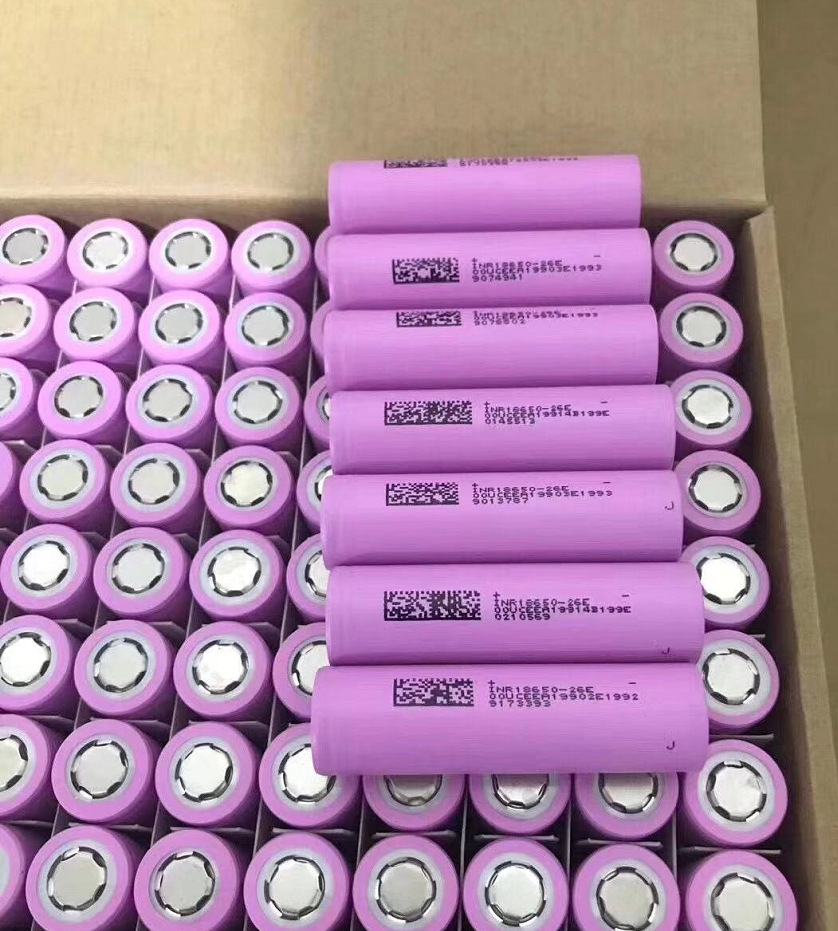
Top 5 UN38.3 Certification Problems Fixed with 18650 32700 Cells
When sourcing lithium-ion batteries for industrial or consumer applications, passing the UN38.3 certification is often the most significant regulatory hurdle. As a Technical Director at a leading battery R&D lab, I have seen countless projects delayed because standard off-the-shelf cells failed the rigorous testing protocols required for safe transport.
The UN38.3 test is not just a formality; it is a survival test for batteries. It simulates extreme conditions—high altitude, extreme temperatures, and physical shocks—that cells might encounter during global logistics. For engineers and procurement managers, the nightmare scenario is a shipment being held at customs or, worse, a field failure due to inadequate cell construction.
Based on our extensive testing data at the factory level, here are the top 5 UN38.3 certification problems we encounter and how upgrading to high-spec 18650 and 32700 cells solves them.
1. The High Altitude Simulation (Low Pressure) Leak
The Problem:
The first test in the UN38.3 protocol simulates air transport. Cells are placed in a chamber and subjected to pressures below 11.6 kPa (kilopascals) for over 6 hours at ambient temperature. The issue arises with poorly sealed cells. If the internal pressure of the cell exceeds the external vacuum pressure, the cell can rupture, vent electrolyte, or bulge.
The Technical Fix:
Standard consumer-grade cells often have thinner casings. In contrast, industrial-grade 18650 and 32700 cells utilize thicker, high-tensile steel casings. The larger 32700 format, in particular, is engineered with reinforced walls to handle the higher internal gassing that can occur during pressure differentials. This structural integrity ensures the cell maintains its seal throughout the test duration without leakage.
2. Thermal Failure During Temperature Cycling
The Problem:
Cells must cycle between -40°C and +75°C three times within a 24-hour period. Many standard cells fail here due to “thermal runaway” triggers or sealant failure. If the internal resistance of the cell is too high, the rapid temperature changes cause micro-welds to break or electrolyte to freeze/thaw unevenly, leading to internal short circuits.
The Technical Fix:
High-quality cylindrical cells, such as those manufactured by specialized battery manufacturers in China, utilize advanced electrolyte formulations with lower freezing points and higher boiling points. Furthermore, the cylindrical design inherently handles thermal expansion better than pouch cells. The robust nickel-plated steel caps on premium 18650 cells act as thermal buffers, preventing the sealant from cracking during these extreme thermal cycles.
3. Vibration-Induced Internal Short Circuits
The Problem:
The vibration test mimics the rigors of truck or rail transport. Cells are vibrated in 3 axes with a logarithmic sweep from 10 Hz to 55 Hz and back, repeating this cycle 90 minutes per axis. The danger here is “nesting.” If the internal jelly roll (the anode/cathode/separator stack) is not perfectly wound or secured, vibration can cause the layers to shift. This shifting can pierce the separator, causing an immediate short circuit and failure.
The Technical Fix:
This is where the manufacturing precision of the 32700 format shines. Due to the larger size, the winding tension must be controlled with even greater accuracy. Reputable manufacturers use automated winding machines with laser tension sensors. Additionally, the use of high-melting-point polymer separators (such as陶瓷-coated separators) ensures that even under intense vibration, the physical barrier between electrodes remains intact.
4. Shock Absorption and Mechanical Durability
The Problem:
The shock test subjects the battery to 18 shocks (9 positive, 9 negative) with a peak acceleration of 150g for 6 milliseconds. This simulates a sudden drop or collision. Standard cells with weak mechanical structures can suffer internal deformation, leading to dendrite growth or electrode delamination.
The Technical Fix:
The cylindrical geometry is naturally stronger than prismatic or pouch formats. However, passing this test consistently requires specific mechanical design features. Premium 18650 and 32700 cells incorporate “safety vents” on the top cap. These vents are designed to rupture safely in a controlled direction if internal pressure spikes during the shock, preventing catastrophic explosion. Furthermore, the use of high-purity electrolytes reduces gas generation during impact.
5. Overcharge and External Short Circuit Hazards
The Problem:
While the UN38.3 test includes a forced overcharge (1.2 times the standard charge current) and an external short circuit test, many cells fail by catching fire or exploding. This is usually due to inadequate Current Interrupt Devices (CID) or weak Positive Temperature Coefficient (PTC) thermistors.
The Technical Fix:
Industrial-grade cylindrical battery cells are equipped with dual safety mechanisms. The PTC device increases resistance dramatically if the temperature rises too quickly during a short circuit, effectively shutting down the current flow. The CID acts as a circuit breaker, physically disconnecting the top cap from the internal electrode if pressure builds up. When you source cells specifically designed for high-rate discharge (like those used in power tools), these safety margins are significantly higher than standard consumer cells.
Conclusion: Quality is the Ultimate Shortcut
Navigating UN38.3 certification doesn’t have to be a gamble. The root cause of most failures is sourcing cells that are built to the absolute minimum standard. By opting for premium 18650 and 32700 cells from manufacturers who prioritize industrial safety standards, you are not just buying a battery; you are buying a documented history of safety testing.
If you are facing specific certification challenges or need cells guaranteed to pass UN38.3 for your next project, our R&D team is ready to assist.
Contact us today to discuss your requirements, or explore our full range of high-performance cylindrical battery cells designed for global compliance.