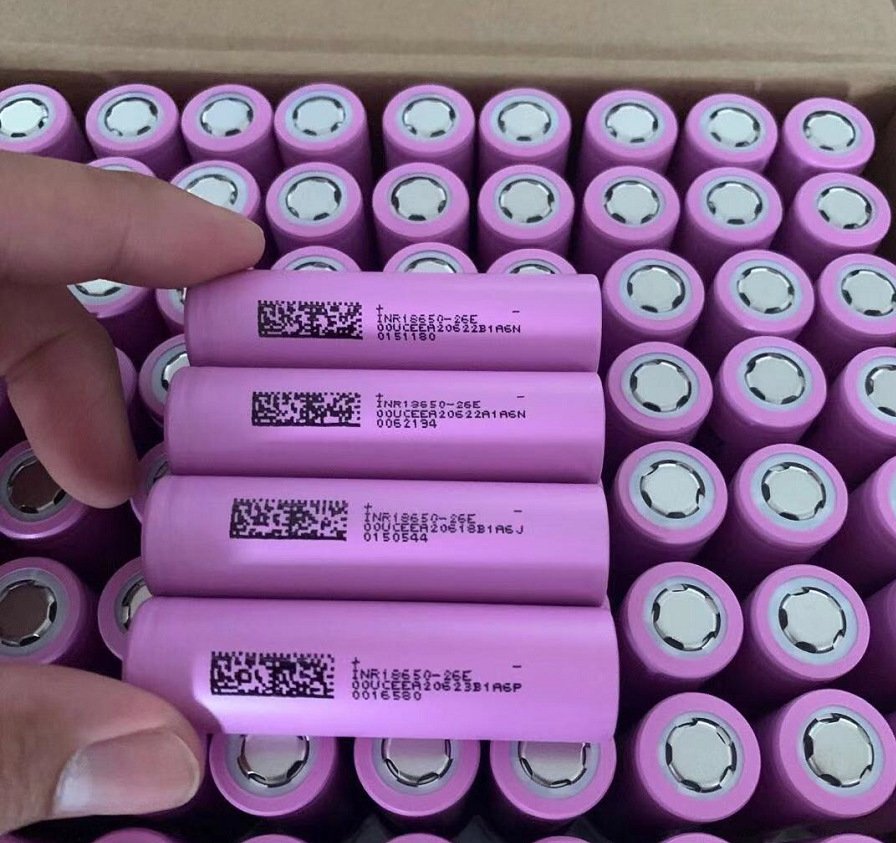
Top 5 Short Lead Time Problems with 18650 Cells in Electric Motorcycle Applications & Solutions Solve Today
The rapid expansion of the electric motorcycle market has intensified pressure on battery supply chains, particularly for 18650 cylindrical cells. As a mature and cost-effective battery format, 18650 cells remain a popular choice for light electric vehicles. However, manufacturers increasingly face critical lead time challenges that disrupt production schedules and delay market entry. This article examines the top five short lead time problems and provides actionable solutions for engineering teams and procurement specialists.
1. Raw Material Supply Chain Bottlenecks
Problem: Lithium, cobalt, and nickel availability directly impacts 18650 cell production capacity. Geopolitical tensions and mining constraints create unpredictable supply fluctuations, extending lead times from standard 8-12 weeks to 20+ weeks during peak demand periods.
Technical Insight: The cathode chemistry (NMC, NCA, or LFP) determines material sensitivity. NMC-based 18650 cells face greater volatility due to cobalt dependency.
Solution: Diversify supplier portfolios across multiple regions and establish long-term framework agreements with battery manufacturers in China that maintain strategic raw material reserves. Consider chemistry alternatives like LFP for applications where energy density requirements allow flexibility.
2. Production Capacity Allocation Conflicts
Problem: Major cell manufacturers prioritize automotive OEM contracts over motorcycle applications. When EV car production ramps up, 18650 cell allocation for two-wheeler segments gets deprioritized, causing sudden availability gaps.
Technical Insight: Grade A cells meeting automotive standards require extended testing cycles, limiting flexible production switching between customer segments.
Solution: Partner with specialized manufacturers offering dedicated production lines for light EV applications. Maintain buffer inventory equivalent to 6-8 weeks of production and implement rolling forecast systems with suppliers to secure capacity slots quarterly.
3. Quality Certification Delays
Problem: International certifications (UN38.3, IEC62133, UL2271) require 4-6 weeks for testing completion. Custom pack configurations demand re-certification, adding unforeseen lead time extensions during product development phases.
Technical Insight: Each cell chemistry variation and pack configuration requires separate thermal abuse, vibration, and electrical safety validation per regulatory jurisdiction.
Solution: Standardize cell specifications across product platforms to minimize re-certification needs. Work with manufacturers maintaining pre-certified cell portfolios and request certification documentation during initial supplier qualification. Explore cylindrical battery cell options with existing compliance credentials for your target markets.
4. Logistics and Customs Clearance Complications
Problem: Lithium batteries classify as Class 9 Dangerous Goods, requiring specialized shipping documentation, packaging, and handling. Customs inspections at international borders frequently add 1-3 weeks of unexpected delays.
Technical Insight: State of Charge (SoC) restrictions for air freight (maximum 30%) necessitate additional processing time before shipment approval.
Solution: Utilize experienced freight forwarders specializing in lithium battery logistics. Maintain regional warehousing in key markets to reduce cross-border shipment frequency. Implement advanced shipping notifications and ensure complete documentation packages including MSDS, UN38.3 test reports, and dangerous goods declarations.
5. Demand Forecasting Inaccuracies
Problem: Electric motorcycle market growth rates frequently exceed projections, causing order volumes to surpass allocated production capacity. Reactive ordering patterns amplify bullwhip effects throughout the supply chain.
Technical Insight: 18650 cell production lines operate at 85-90% utilization under normal conditions, leaving minimal flexibility for surge orders without 12+ week lead time implications.
Solution: Implement collaborative planning systems with suppliers sharing 12-month rolling forecasts updated monthly. Establish minimum order quantities with flexibility clauses allowing ±20% volume adjustments. Consider dual-sourcing strategies with primary and secondary suppliers to maintain supply continuity during demand spikes.
Strategic Recommendations for Immediate Action
Engineering and procurement teams should prioritize supplier relationship development over transactional purchasing. Long-term partnerships with reliable manufacturers enable priority allocation during capacity constraints. Request detailed production capacity reports quarterly and conduct on-site audits to verify claimed capabilities.
For urgent procurement needs or technical consultations regarding 18650 cell specifications, reach out through the contact page to discuss customized supply solutions matching your production timelines.
Conclusion
Short lead time challenges in 18650 cell procurement require proactive supply chain management rather than reactive problem-solving. By addressing raw material risks, securing dedicated production capacity, streamlining certification processes, optimizing logistics planning, and improving demand forecasting accuracy, electric motorcycle manufacturers can reduce lead time volatility from 20+ weeks to predictable 8-12 week cycles. Strategic supplier partnerships remain the cornerstone of supply chain resilience in an increasingly competitive battery market landscape.
Lead time optimization directly impacts time-to-market competitiveness. Engineering teams must integrate supply chain considerations into initial product design phases rather than treating battery procurement as an afterthought.