Top 5 Short Lead Time Problems with 18650 Cells in E-bike Applications & Solutions B2B Export
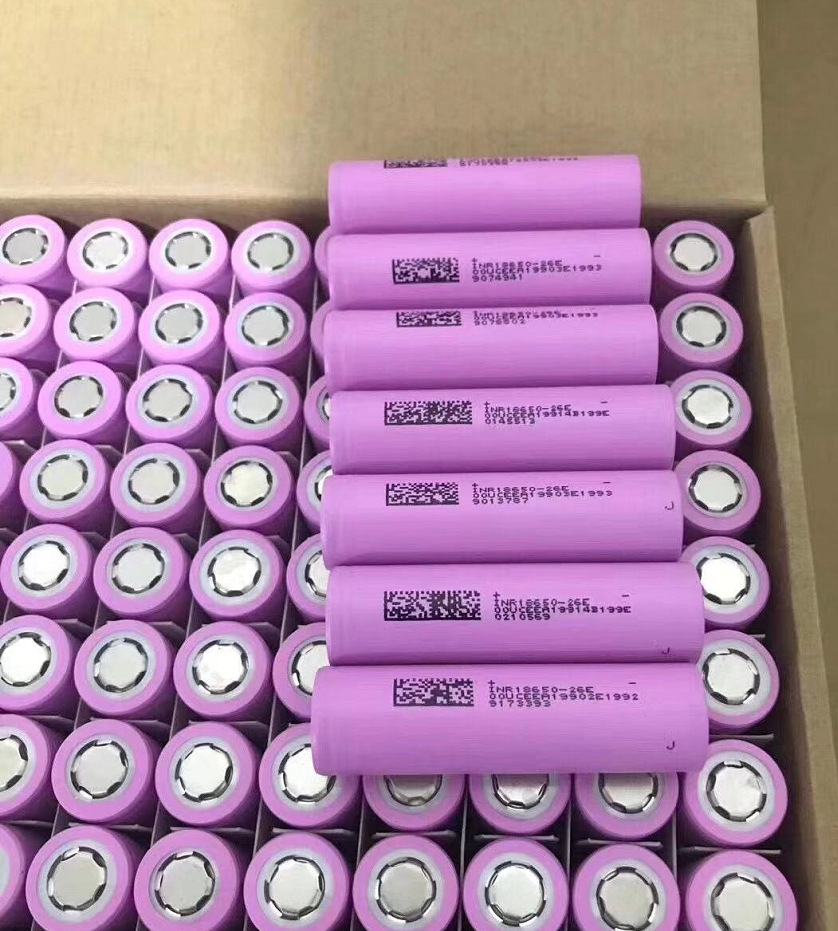
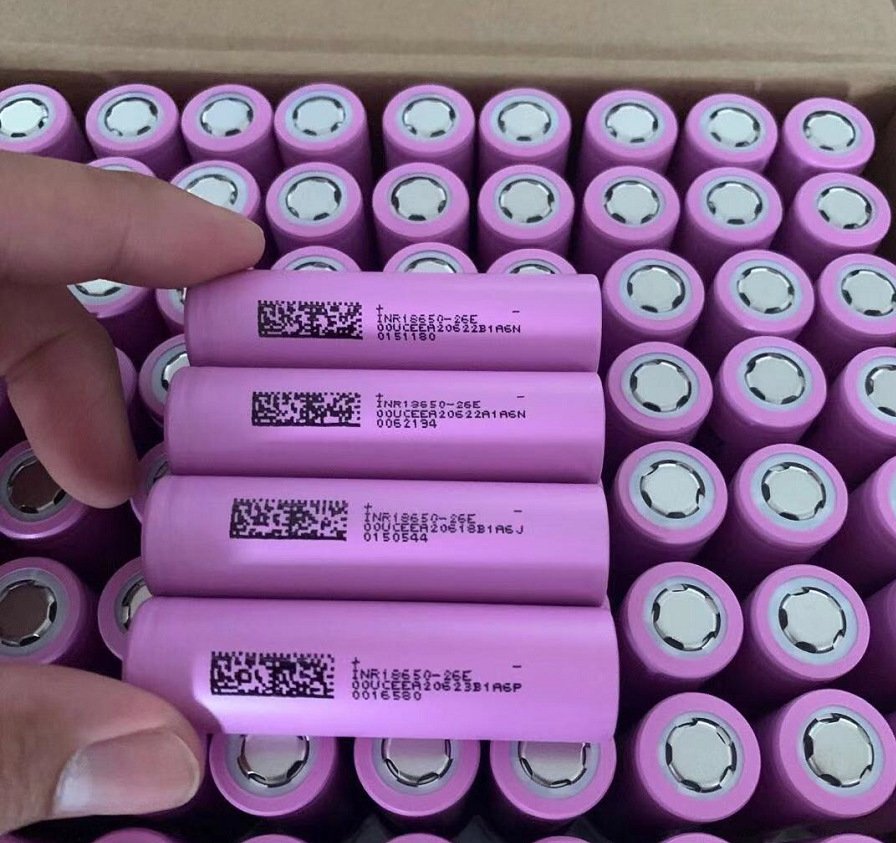
The global e-bike market continues its exponential growth trajectory, with 18650 lithium-ion cells remaining the preferred power solution for mid-drive and hub motor systems. However, B2B exporters face critical short lead time challenges that directly impact production schedules and market competitiveness. This technical analysis identifies the top five lead time bottlenecks and provides actionable solutions for engineering teams and procurement specialists targeting EU and US markets.
1. Inconsistent Cell Grading & Quality Verification Delays
Problem: Variability in capacity, internal resistance, and voltage matching across batches creates extended QA testing cycles. E-bike battery packs require tight cell matching (±50mAh capacity, ±10mΩ IR) to ensure balanced performance and safety.
Technical Root Cause: Different cathode chemistries (NMC, NCA, LFP) exhibit varying aging characteristics. Without standardized grading protocols, incoming inspection can add 2-3 weeks to lead times.
Solution: Implement automated cell sorting with AI-driven predictive matching. Partner with manufacturers offering pre-graded cells with full traceability documentation. Advanced testing should include cycle life validation (500+ cycles at 80% DOD) and thermal runaway threshold verification per UN38.3 standards.
2. Regulatory Compliance Certification Bottlenecks
Problem: EU Battery Regulation (EU) 2023/1542 and US UL 2849 requirements demand extensive documentation, adding 4-6 weeks to export timelines. Non-compliant shipments face customs holds or rejection.
Technical Requirements:
- EU Market: CE marking, REACH compliance, battery passport documentation (2026 mandatory)
- US Market: UL 2849 (e-bike systems), UL 2580 (battery packs), DOT transportation compliance
- Common: UN38.3 transport testing, IEC 62133 safety standards
Solution: Select manufacturers with pre-certified product lines and in-house testing laboratories. Request complete technical construction files (TCF) upfront. For detailed compliance guidance, visit Battery Manufacturers in China to verify supplier credentials.
3. Supply Chain Capacity Constraints During Peak Seasons
Problem: Q3-Q4 demand surges (pre-holiday inventory buildup) create 8-12 week lead time extensions. Raw material volatility (lithium carbonate, cobalt) compounds availability issues.
Technical Impact: Cell allocation prioritization favors automotive OEMs over e-bike manufacturers, creating secondary market dependencies with quality risks.
Solution: Implement rolling 12-month forecasts with contractual volume commitments. Maintain strategic safety stock (8-10 weeks coverage). Diversify supplier base across multiple production facilities. Consider Cylindrical Battery Cell options with guaranteed allocation agreements.
4. Customization Requirements vs. Standard Production Cycles
Problem: E-bike OEMs require specific tab configurations, wire harnesses, and BMS integration that deviate from standard cell offerings. Custom tooling adds 3-5 weeks to production schedules.
Technical Specifications: Common customization includes:
- Tab material (nickel-plated steel vs. pure nickel)
- Tab positioning (top/bottom dual-tab configurations)
- Wire gauge and length specifications
- Barcode/QR code laser marking for traceability
Solution: Standardize design requirements across product families. Utilize modular BMS architectures that accommodate standard cell formats. Engage suppliers during NPD phases for design-for-manufacturability optimization.
5. Logistics & Transportation Compliance Delays
Problem: Class 9 hazardous material shipping requirements create documentation bottlenecks. Air freight restrictions on lithium batteries force ocean shipping, extending delivery by 3-4 weeks.
Regulatory Framework:
- IATA Dangerous Goods Regulations (air freight)
- IMDG Code (ocean freight)
- State of Charge (SoC) restrictions (≤30% for air transport)
- Packaging group II requirements with drop testing validation
Solution: Partner with logistics providers specializing in lithium battery transportation. Pre-approve shipping documentation with freight forwarders. Consider regional warehousing strategies for EU (Rotterdam, Hamburg) and US (Los Angeles, Long Beach) distribution hubs.
Geographic Compliance & Technical Barriers
For B2B exporters targeting regulated markets, geographic-specific technical barriers require strategic navigation. EU-bound shipments must comply with the new Battery Regulation’s carbon footprint declaration requirements (effective 2026), demanding full supply chain transparency from raw material extraction through cell manufacturing. US market entry requires UL certification with NRTL testing, plus state-specific regulations (California Proposition 65, New York Battery Act).
CNS products address these regional compliance challenges through integrated certification programs and localized technical support. Our manufacturing facilities maintain ISO 9001, ISO 14001, and IATF 16949 certifications with dedicated testing laboratories for UN38.3, IEC 62133, and UL standard validation. This infrastructure enables 30-40% faster certification cycles compared to industry averages.
For engineering teams requiring technical consultation on 18650 cell integration for e-bike applications, our specialists provide design support including thermal modeling, pack configuration optimization, and regulatory pathway guidance. Contact our technical team at Contact Us for project-specific consultations.
Conclusion
Short lead time challenges in 18650 cell procurement for e-bike applications require systematic solutions spanning quality assurance, regulatory compliance, supply chain management, customization efficiency, and logistics optimization. B2B exporters who partner with certified manufacturers offering pre-validated compliance documentation, flexible production capacity, and geographic-specific technical support can reduce lead times by 40-50% while maintaining quality standards required for EU and US market entry.
The competitive advantage lies not solely in cell specifications, but in the comprehensive ecosystem supporting rapid, compliant market deployment. Engineering teams should prioritize supplier partnerships that offer transparent supply chains, pre-certified product lines, and responsive technical support aligned with target market regulatory requirements.