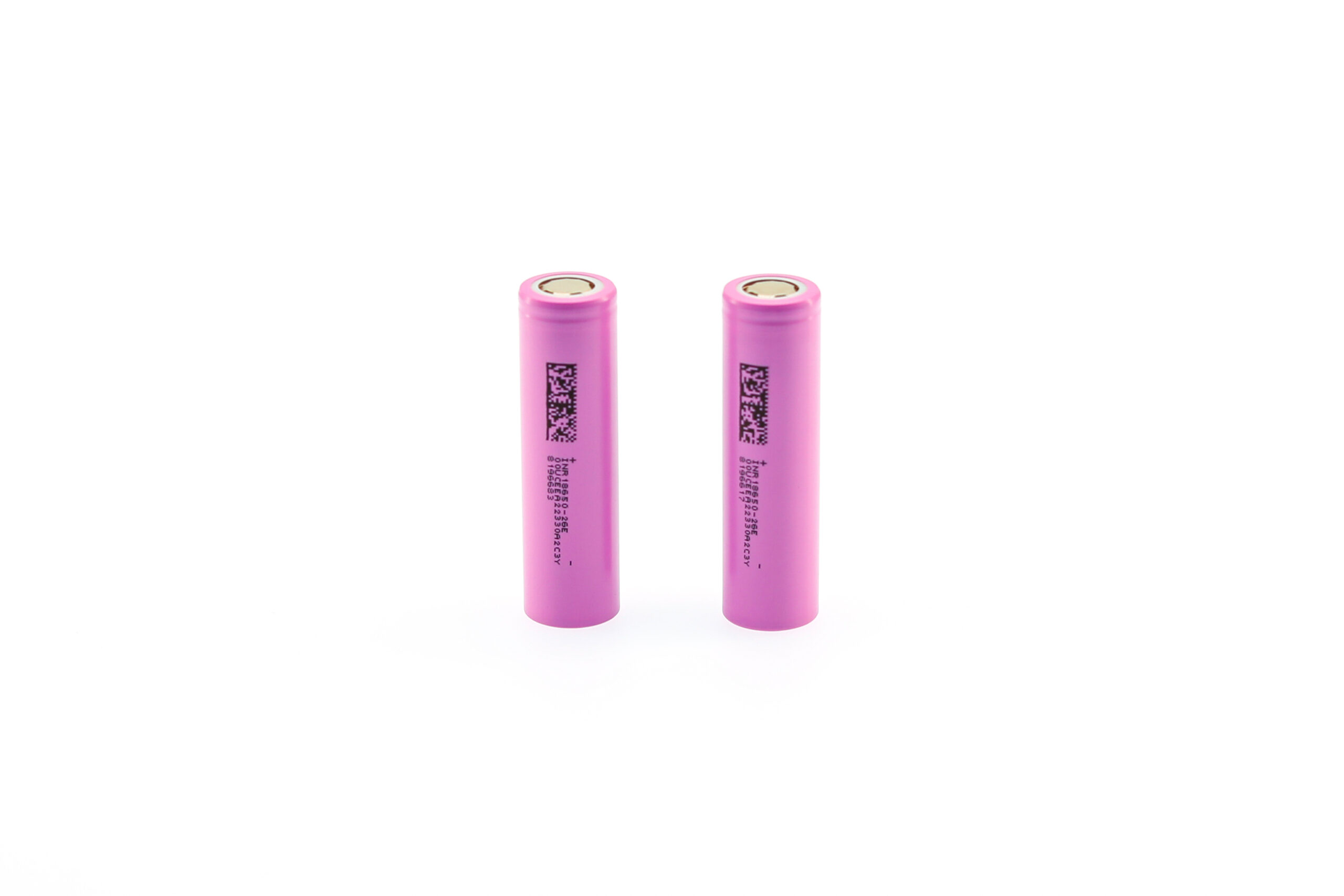
Top 5 Sample Test Report Problems with 18650 Cells in ESS Applications & Solutions
Introduction
Energy Storage Systems (ESS) have become critical infrastructure for renewable energy integration, grid stabilization, and backup power solutions. Among various battery chemistries, 18650 cylindrical lithium-ion cells remain a popular choice due to their mature manufacturing processes, cost-effectiveness, and proven reliability. However, engineering teams and technical procurement specialists frequently encounter significant challenges when evaluating sample test reports from suppliers. This article identifies the top 5 sample test report problems with 18650 cells in ESS applications and provides actionable solutions for informed decision-making.
Problem 1: Incomplete Cycle Life Data
Many suppliers provide cycle life test reports that lack critical parameters such as depth of discharge (DOD), charge/discharge rates (C-rates), and temperature conditions. Without these specifications, comparing cycle life claims across different manufacturers becomes meaningless. A cell rated for 2000 cycles at 80% DOD and 25°C may perform drastically different under 100% DOD at 45°C operating conditions typical in ESS installations.
Solution: Request comprehensive cycle life testing documentation that includes all environmental and operational parameters. Verify that testing follows international standards such as IEC 62619 or UL 1973. For reliable 18650 cylindrical battery cells with complete test documentation, explore our product catalog.
Problem 2: Missing Thermal Runaway Test Results
Thermal safety is paramount in ESS deployments, especially for large-scale installations. Sample test reports often omit thermal runaway propagation testing, nail penetration results, or overcharge tolerance data. This omission creates significant risk assessment gaps for system integrators who must ensure compliance with local fire safety regulations.
Solution: Mandate thermal abuse testing documentation as part of your supplier qualification process. Look for third-party certified test reports from recognized laboratories such as UL, TUV, or Intertek. Working with established battery manufacturers in China who maintain transparent testing protocols can significantly reduce procurement risks.
Problem 3: Inconsistent Capacity Rating Methodologies
Capacity ratings vary significantly between manufacturers due to different testing methodologies. Some suppliers rate capacity at 0.2C discharge, while others use 0.5C or 1C rates. Additionally, end-of-discharge voltage cutoffs may differ, leading to capacity variations of 5-10% for identical cell specifications. This inconsistency complicates system design calculations and energy density projections.
Solution: Standardize your capacity verification protocol across all supplier evaluations. Specify exact testing conditions including discharge rate, temperature, and voltage cutoffs in your procurement requirements. Request raw test data rather than summarized specifications to enable independent verification.
Problem 4: Lack of Long-Term Calendar Aging Data
ESS applications typically require 10-15 year operational lifespans. However, most sample test reports only include accelerated aging data from 3-6 month testing periods. Extrapolating short-term data to predict long-term performance introduces significant uncertainty, particularly for calendar aging under various state-of-charge (SOC) storage conditions.
Solution: Request historical field performance data from existing installations alongside laboratory test results. Suppliers with proven track records should provide degradation curves from deployed systems. Consider implementing pilot installations before full-scale procurement to validate manufacturer claims under actual operating conditions.
Problem 5: Insufficient Quality Control Documentation
Sample test reports frequently lack supporting quality control documentation such as statistical process control (SPC) charts, incoming material certifications, or production batch traceability. Without this information, verifying consistency between sample cells and mass production units becomes challenging, creating potential performance gaps during system deployment.
Solution: Implement comprehensive supplier audits that include quality management system certification verification (ISO 9001, IATF 16949). Request batch-specific test certificates for production units matching your sample specifications. Maintain open communication channels with suppliers for ongoing quality assurance. For direct communication regarding quality documentation and technical specifications, contact our team.
Conclusion
Navigating 18650 cell sample test reports requires technical diligence and systematic evaluation protocols. By addressing these five common problems—incomplete cycle life data, missing thermal testing, inconsistent capacity ratings, insufficient aging data, and inadequate quality documentation—engineering teams can make informed procurement decisions that ensure ESS project success. Partner with transparent manufacturers who provide comprehensive testing documentation and maintain consistent quality standards throughout production cycles.
Investing time in thorough sample evaluation during the procurement phase prevents costly system failures and performance shortfalls during operational phases. The reliability of your ESS deployment ultimately depends on the quality and transparency of battery cell documentation from your supply chain partners.