Top 5 Perfect Cell Matching Problems with 18650 Cells in Solar Storage Applications & Solutions
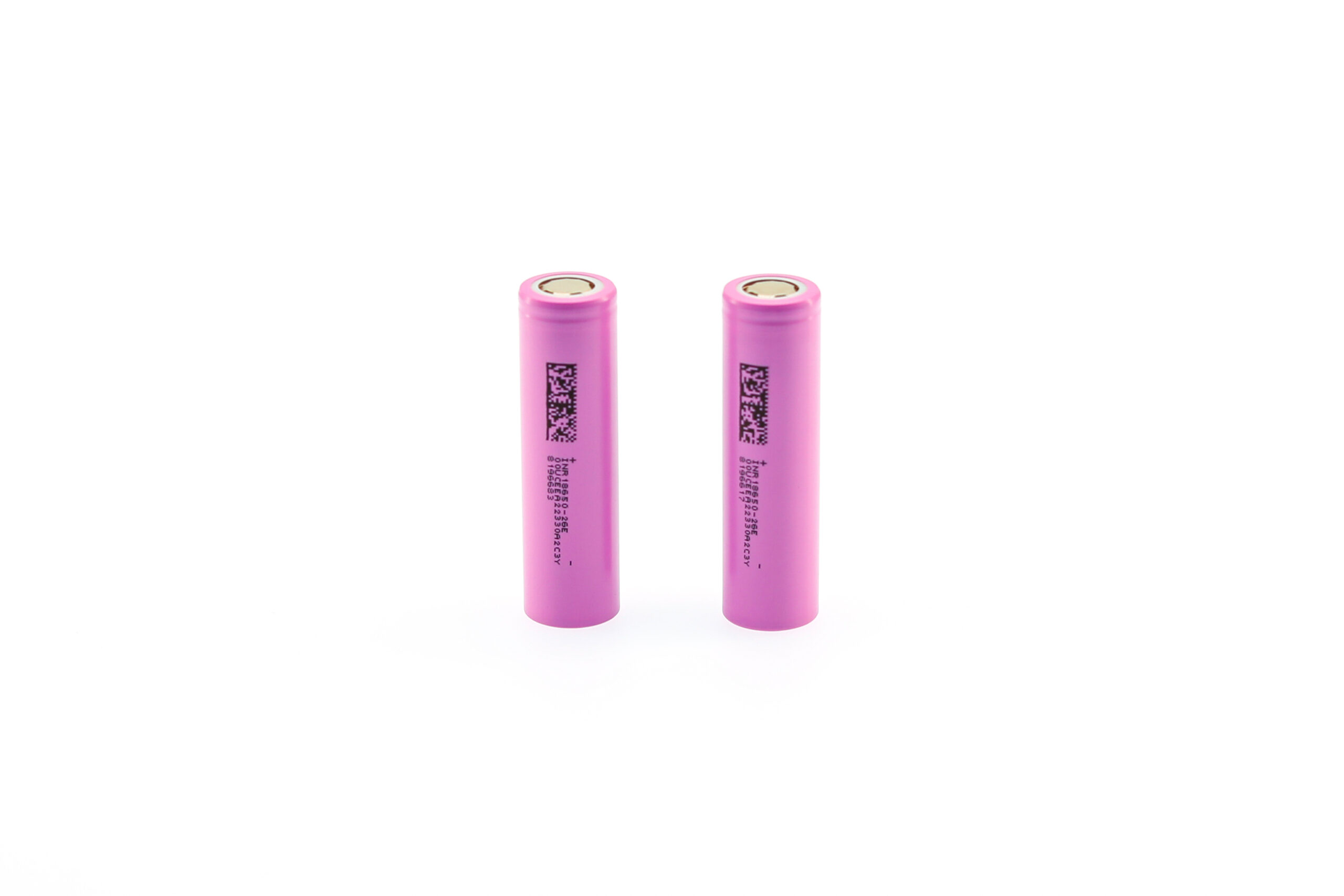
In the evolving landscape of 2026 renewable energy, 18650 cylindrical lithium-ion cells remain a cornerstone for residential and commercial solar storage systems. Their maturity, cost-effectiveness, and established supply chain make them a preferred choice for integrators. However, the reliability of a battery pack is only as strong as its weakest cell. Poor cell matching leads to reduced cycle life, safety hazards, and warranty claims. For B2B buyers and system integrators, understanding the top five cell matching problems and their solutions is critical for procurement and system design.
1. Capacity and Voltage Deviation
The Problem: When cells with different capacities or open-circuit voltages (OCV) are connected in series or parallel, the “woodpecker effect” occurs. During charging, the lower-capacity cell reaches full voltage first, triggering the Battery Management System (BMS) to cut off power before higher-capacity cells are fully charged. Conversely, during discharge, the weaker cell depletes faster, risking over-discharge.
The Solution: Strict binning is non-negotiable. Procurement specifications should demand capacity tolerance within ±3% and voltage deviation under 10mV per cell before assembly. Advanced manufacturers utilize automated grading systems to ensure uniformity. For high-quality cylindrical cells suitable for these standards, explore verified options at https://cnsbattery.com/products-3/cylindrical-battery-cell/.
2. Internal Resistance (IR) Disparity
The Problem: Internal resistance dictates heat generation and efficiency. If cells in a parallel group have varying IR, current distribution becomes uneven. Cells with lower IR draw more current, leading to localized overheating and accelerated degradation. In solar applications where charge/discharge rates fluctuate with weather conditions, this imbalance is exacerbated.
The Solution: AC impedance testing at 1kHz is the industry standard for matching. B2B contracts should specify IR matching within 5% tolerance. Thermal imaging during prototype testing can identify hotspots caused by IR mismatches. Ensuring consistent IR across the pack enhances thermal stability and overall system efficiency.
3. Ageing and Degradation Rate Mismatch
The Problem: Even if cells match initially, different chemical ageing rates can cause divergence over time. Mixing cells from different production batches or manufacturers often results in varying cycle life. In a solar storage context, where daily cycling is expected, a fast-degrading cell can limit the entire pack’s usable capacity within the first year.
The Solution: Source cells from the same production batch whenever possible. Request cycle life test reports (e.g., 2000 cycles at 80% DOD) from suppliers. Long-term reliability depends on chemical consistency. Partnering with established https://cnsbattery.com/battery-manufacturers-in-china/ ensures access to batch-consistent inventory and traceable production data, mitigating the risk of mixed ageing profiles.
4. Thermal Management Incompatibility
The Problem: 18650 cells are sensitive to temperature extremes. Poor matching can lead to uneven thermal distribution within the pack. If the thermal management system (TMS) cannot dissipate heat generated by mismatched cells effectively, thermal runaway risks increase. Recent 2026 safety standards emphasize thermal propagation prevention.
The Solution: Design pack structures with adequate airflow or liquid cooling channels between cells. Use thermal interface materials (TIM) to ensure uniform heat transfer. The BMS must include temperature sensors at multiple points, not just on the surface. Compliance with international safety standards (such as IEC 62619) is essential for market access in Europe and North America.
5. BMS Compatibility and Communication Protocols
The Problem: A perfectly matched cell pack can still fail if the BMS does not communicate correctly with the solar inverter. Mismatched voltage ranges or communication protocols (e.g., CAN bus vs. RS485) lead to system errors. Additionally, the BMS must be calibrated to the specific chemistry and voltage curve of the 18650 cells used.
The Solution: Verify BMS protocol compatibility with your inverter during the design phase. Ensure the BMS supports active balancing for 18650 configurations to mitigate minor mismatches over time. Procurement teams should request communication test reports. For technical support and compatibility verification, direct communication with suppliers is key. Reach out via https://cnsbattery.com/contact-2/ for detailed integration guidance.
Procurement and Compliance Checklist for 2026
For overseas buyers, due diligence extends beyond technical specs.
- Compliance: Ensure cells meet UN38.3 for transport and IEC 62619 for industrial safety.
- Traceability: Demand QR code tracking for each cell batch to manage recalls or warranty issues.
- Warranty: Standard warranties should cover 5-10 years for solar applications, contingent on proper matching.
Conclusion
Achieving perfect cell matching in 18650 solar storage applications requires a combination of rigorous testing, consistent sourcing, and intelligent system design. By addressing capacity, IR, ageing, thermal, and BMS issues, integrators can deliver safe, long-lasting energy storage solutions. As the market matures, partnering with transparent manufacturers who prioritize quality control is the most effective strategy for mitigating risk. Focus on verified supply chains and technical compatibility to ensure your solar storage projects succeed in the competitive 2026 market.