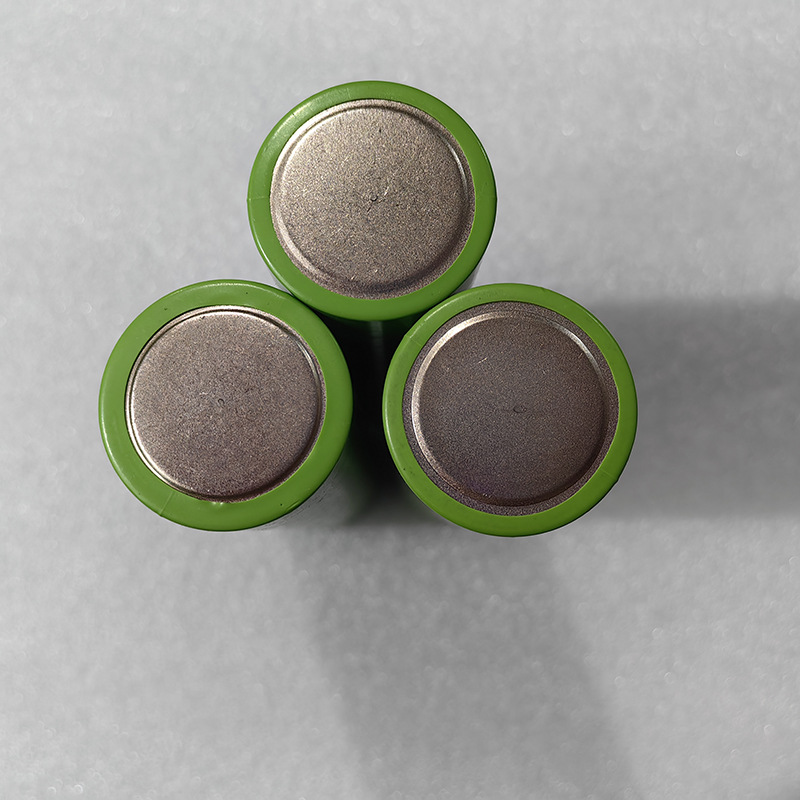
Top 5 OEM Customization Problems with 18650 Cells in Electric Motorcycle Applications & Solutions
The rapid expansion of the electric motorcycle market has intensified demand for reliable, high-performance battery solutions. Among various lithium-ion configurations, 18650 cylindrical cells remain a popular choice for OEM manufacturers due to their mature technology, cost-effectiveness, and established supply chains. However, integrating 18650 cells into electric motorcycle applications presents significant customization challenges that can impact safety, performance, and compliance. This article examines the top five OEM customization problems and provides actionable solutions for battery manufacturers and procurement teams globally.
1. Thermal Management Inconsistencies
Problem: 18650 cells generate substantial heat during high-discharge cycles typical in electric motorcycles. Inadequate thermal management leads to accelerated degradation, capacity loss, and potential thermal runaway risks.
Technical Analysis: The cylindrical form factor creates air gaps between cells, complicating heat dissipation. Without proper thermal interface materials and cooling system design, cell temperatures can exceed 45°C during sustained operation.
Solution: Implement advanced battery management systems (BMS) with real-time temperature monitoring. Utilize phase-change materials (PCM) and liquid cooling plates for optimal heat distribution. CNS BATTERY’s cylindrical battery cell solutions incorporate integrated thermal management designs suitable for diverse climate conditions from Southeast Asia to European markets.
2. Capacity and Voltage Matching Variations
Problem: Cell-to-cell capacity variations within battery packs cause imbalance, reducing overall pack efficiency and cycle life.
Technical Analysis: Even cells from the same production batch can exhibit 3-5% capacity variance. In series-parallel configurations, weaker cells limit entire pack performance and create safety vulnerabilities during charging cycles.
Solution: Employ strict cell grading protocols with capacity tolerance within 2%. Advanced BMS with active balancing technology ensures uniform charge distribution. OEM partners should request detailed cell specification sheets and batch testing reports before production commitment.
3. Regulatory Compliance Across Different Markets
Problem: Electric motorcycle batteries must meet varying international standards including UN38.3, IEC62133, UL2271, and regional certifications like CE (Europe), DOT (USA), and BIS (India).
Technical Analysis: Compliance requirements differ significantly by destination market. Non-compliant products face customs rejection, legal penalties, and brand reputation damage.
Solution: Partner with manufacturers holding comprehensive international certifications. CNS BATTERY maintains full compliance documentation for North American, European, and Asian markets. Verify certification authenticity through official databases before procurement. Learn more about qualified battery manufacturers in China with proper export credentials.
4. Vibration and Mechanical Stress Resistance
Problem: Electric motorcycles experience higher vibration levels compared to passenger EVs, potentially causing cell connection failures and structural damage.
Technical Analysis: Road vibrations at 10-500Hz frequencies can loosen weld points and damage cell casings over time. Motorcycle applications require enhanced mechanical protection compared to stationary or automotive applications.
Solution: Utilize reinforced module housing with vibration-dampening materials. Implement laser welding instead of spot welding for superior connection integrity. Conduct ISO16750-3 vibration testing during validation phases to ensure durability under real-world conditions.
5. Supply Chain and Lead Time Uncertainty
Problem: Global 18650 cell supply chains face volatility due to raw material fluctuations, geopolitical factors, and production capacity constraints.
Technical Analysis: Cobalt and lithium price variations directly impact cell costs. Single-source dependencies create production risks for OEM manufacturers with tight delivery schedules.
Solution: Establish multi-region supplier relationships with transparent inventory visibility. Maintain strategic buffer stock for critical components. Work with manufacturers offering flexible production scaling and clear communication channels. Contact CNS BATTERY directly through our contact page for customized supply chain solutions tailored to your regional requirements.
Why Choose CNS BATTERY for Your Electric Motorcycle Projects
CNS BATTERY specializes in OEM customization for 18650 cylindrical cell applications across the electric mobility sector. Our engineering team provides comprehensive support from initial design consultation through mass production delivery. Key advantages include:
- Global Compliance: Full certification coverage for EU, North America, Southeast Asia, and emerging markets
- Technical Expertise: 15+ years in cylindrical cell pack design with proven electric motorcycle deployments
- Quality Assurance: ISO9001, IATF16949 certified manufacturing with traceable production records
- Flexible Customization: Modular designs accommodating various voltage, capacity, and form factor requirements
- Responsive Support: Dedicated account management with 24-hour technical response capability
For OEM manufacturers seeking reliable 18650 battery solutions, partnering with an experienced manufacturer reduces development risks and accelerates time-to-market. Whether you’re targeting the European electric scooter market, North American motorcycle segments, or Asian two-wheeler applications, proper cell selection and pack design determine long-term product success.
Ready to optimize your electric motorcycle battery strategy? Reach out to our engineering team for customized quotations and technical consultations. Visit our product catalog and contact channels to begin your project evaluation today.