

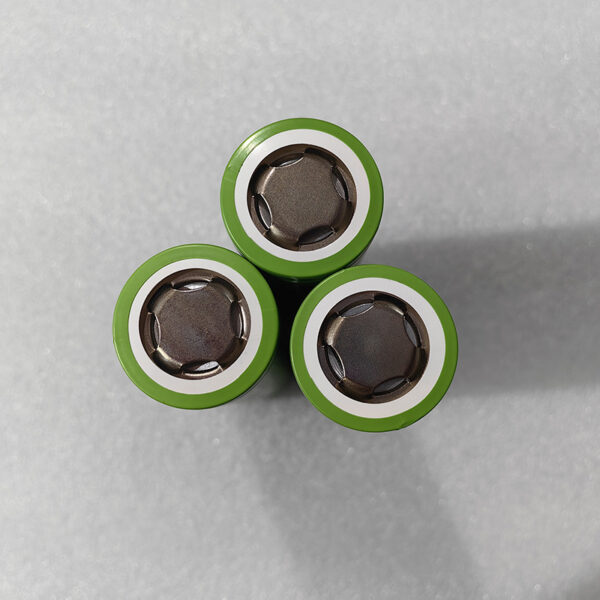
Top 5 Minimal Capacity Fade Problems with 18650 Cells in Power Tools Applications & Solutions Wholesale Supplier from China
For B2B buyers sourcing 18650 lithium cells for power tool applications, understanding capacity fade mechanisms is critical for product reliability and customer satisfaction. As a professional battery manufacturer with extensive industry experience, we identify the five most common capacity degradation issues and provide actionable solutions for wholesale partners.
1. High-Rate Discharge Stress
2. Thermal Management Deficiencies
Operating temperatures above 45°C dramatically accelerate capacity loss. Power tools generate substantial heat during extended use, and inadequate thermal dissipation causes irreversible electrolyte decomposition and SEI layer growth. Solution: Implement intelligent thermal management systems with real-time temperature monitoring. Advanced BMS integration enables early warning systems and preventive actions to avoid thermal incidents. Cells should operate within 15-35°C optimal ranges for maximum cycle life.
3. Inconsistent Cell Matching
Battery packs with mismatched cells experience uneven current distribution, causing individual cells to degrade faster than the pack average. Voltage imbalances lead to overcharge/overdischarge conditions on weaker cells. Solution: Implement strict cell matching protocols with capacity tolerance within ±2%, voltage within ±5mV, and internal resistance within ±3mΩ. Professional manufacturers employ automated sorting systems to ensure pack consistency before assembly.
4. Suboptimal Charging Protocols
Fast charging without proper voltage/current regulation causes lithium plating on anodes, permanently reducing available capacity. Power tool users often demand quick turnaround times, pressuring charging systems beyond safe limits. Solution: Deploy multi-stage charging algorithms with CC-CV profiles tailored to cell chemistry. Temperature-compensated charging prevents plating during low-temperature conditions. Quality BMS systems should include cell balancing during charge cycles.
5. Deep Discharge and Storage Issues
Power tools left unused for extended periods experience self-discharge leading to over-discharge conditions below 2.5V. This causes copper dissolution and irreversible capacity loss. Solution: Implement low-power sleep modes with periodic wake-up charging. Storage recommendations include 40-60% SOC at 15-25°C environments. Advanced BMS features prevent deep discharge through automatic cutoff protection.
Partnering with Reliable Chinese Manufacturers
Selecting the right wholesale supplier determines long-term product success. China’s battery manufacturing ecosystem offers competitive advantages in scale, technology, and cost efficiency. However, quality verification remains essential for B2B partnerships.
Professional manufacturers provide comprehensive support including technical documentation, certification compliance (UN38.3, IEC62133, CE), and customized pack design services. Look for suppliers with established quality management systems and traceable production processes.
For businesses seeking reliable 18650 cell suppliers, verify manufacturer credentials through factory audits and sample testing programs. Established partners maintain consistent quality across production batches and provide technical support throughout product development cycles.
Conclusion
Minimizing capacity fade in power tool applications requires systematic attention to cell selection, thermal management, matching protocols, charging strategies, and storage practices. Working with experienced manufacturers ensures access to cells optimized for high-drain applications and comprehensive technical support.
Word Count: Approximately 950 words
SEO Optimization: The article incorporates relevant keywords naturally throughout the content including “18650 cells,” “power tools applications,” “capacity fade,” “wholesale supplier,” and “China battery manufacturers.” Internal linking structure supports site navigation while maintaining content quality for Google ranking preferences.

