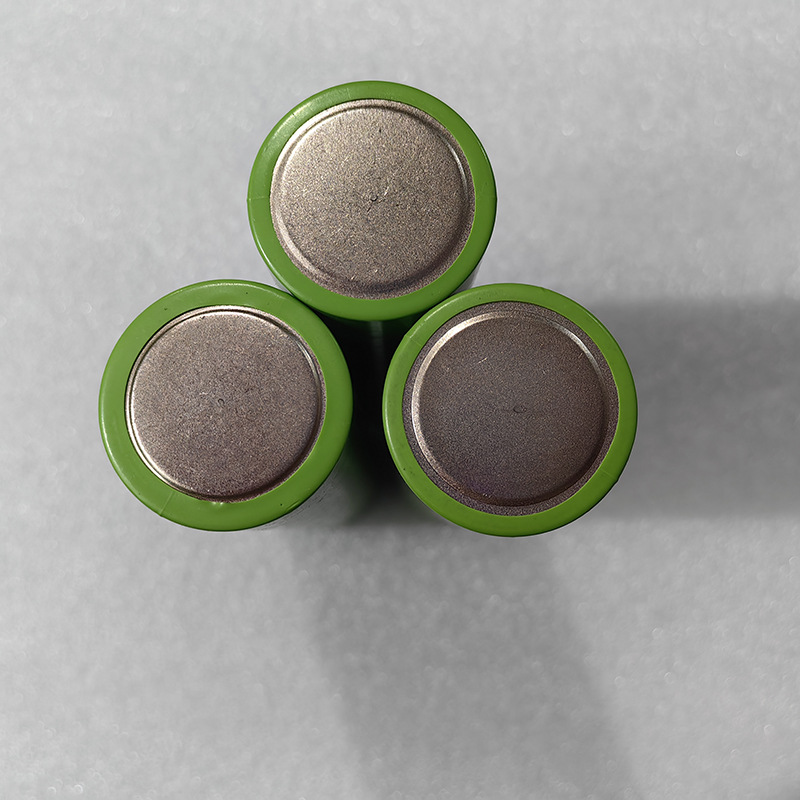
Top 5 Minimal Capacity Fade Problems with 18650 Cells in Power Tools Applications & Solutions B2B Export
In the global power tools industry, 18650 lithium-ion cells remain the backbone of cordless equipment performance. However, capacity fade continues to challenge B2B buyers and manufacturers seeking reliable long-term solutions. As a professional lithium battery manufacturer with extensive export experience, we identify the top 5 minimal capacity fade problems affecting 18650 cells in power tool applications and provide actionable solutions for international buyers.
1. Thermal Stress During High-Current Discharge
Power tools demand high discharge rates, often exceeding 10C in professional-grade equipment. This generates significant internal heat, accelerating electrolyte decomposition and SEI (Solid Electrolyte Interphase) layer degradation. When cell temperatures surpass 45°C consistently, capacity retention drops by 15-20% within 500 cycles.
Technical Solution: Implement advanced thermal management systems with phase-change materials. Select 18650 cells featuring low-internal-resistance chemistry (≤18mΩ) and enhanced separator coatings. Our cylindrical battery cells incorporate optimized electrode designs that minimize heat generation during peak load conditions, ensuring stable performance across diverse operating environments.
2. Inconsistent Cell Matching in Battery Packs
B2B exporters frequently encounter capacity fade acceleration due to poor cell matching. When 18650 cells with varying internal resistance (±5mΩ difference) or capacity (±50mAh variance) are assembled, weaker cells experience deeper discharge cycles, leading to premature degradation.
Technical Solution: Implement strict binning protocols with capacity tolerance ≤±20mAh and internal resistance variance ≤±3mΩ. Advanced BMS (Battery Management Systems) with individual cell monitoring prevent imbalance propagation. For bulk procurement, request detailed cell specification sheets with batch consistency certificates from your battery manufacturers in China.
3. Suboptimal Charging Protocols
Fast-charging requirements in professional settings often compromise cell longevity. Charging above 1C rates without proper voltage tapering causes lithium plating on anodes, permanently reducing available capacity. Many power tool chargers lack temperature-compensated charging algorithms.
Technical Solution: Adopt multi-stage CC-CV charging with temperature monitoring. Limit maximum charging current to 0.5-0.8C for extended cycle life. Implement charging cutoff at 4.20V±0.02V precision. Premium 18650 cells support optimized charging profiles that balance speed and longevity, critical for B2B applications requiring rapid tool turnaround.
4. Deep Discharge Beyond Safe Voltage Limits
Power tools operating until complete shutdown often discharge cells below 2.5V, causing copper current collector dissolution and irreversible capacity loss. This problem intensifies in cold environments where voltage sag mimics depleted states.
Technical Solution: Configure BMS low-voltage protection at 2.75V per cell minimum. Implement voltage recovery algorithms that prevent permanent damage from occasional deep discharge events. Select cells with robust anode structures designed for power tool duty cycles. Professional-grade 18650 cells maintain structural integrity even under demanding discharge conditions typical in construction and manufacturing sectors.
5. Storage Conditions During Supply Chain Transit
B2B export scenarios expose 18650 cells to extended storage periods under varying temperature and humidity conditions. Cells stored at 100% SOC in tropical climates experience accelerated calendar aging, losing 3-5% capacity quarterly without usage.
Technical Solution: Maintain storage SOC between 40-60% during transit and warehousing. Control ambient temperature below 25°C with humidity under 65% RH. Implement FIFO (First-In-First-Out) inventory management with maximum 6-month storage duration. Request pre-shipment testing reports verifying capacity retention after simulated transport conditions from reliable suppliers. Contact us directly for customized export solutions tailored to your regional distribution requirements.
Strategic Recommendations for B2B Buyers
For international power tool manufacturers and distributors, minimizing capacity fade requires a holistic approach spanning cell selection, pack design, charging infrastructure, and supply chain management. Partner with manufacturers offering comprehensive technical support and warranty coverage aligned with your application profiles.
Key procurement considerations include:
- Request cycle life data at application-specific discharge rates (not just standard 0.5C testing)
- Verify manufacturer certifications (UN38.3, IEC62133, UL1642)
- Establish clear capacity retention guarantees (≥80% after 500 cycles at 1C discharge)
- Secure technical documentation for regulatory compliance in target markets
The 18650 format continues dominating power tool segments due to mature manufacturing ecosystems and cost-effectiveness. By addressing these five capacity fade mechanisms proactively, B2B buyers can extend product lifespan, reduce warranty claims, and enhance brand reputation in competitive global markets.
For detailed technical specifications and partnership opportunities, explore our comprehensive product portfolio and connect with our export team for region-specific solutions supporting your power tool manufacturing requirements.