

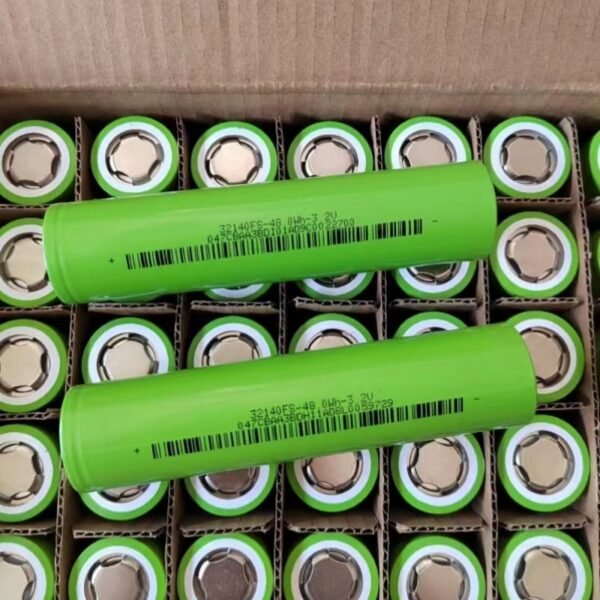
Top 5 Low Temperature Performance Problems with 18650 Cells in EV Applications & Solutions B2B Export
The global electric vehicle (EV) market continues its rapid expansion, with cold-climate regions representing a significant growth opportunity. However, 18650 cylindrical battery cells face distinct challenges in low-temperature environments that directly impact vehicle performance, safety, and customer satisfaction. For B2B buyers, distributors, and EV manufacturers sourcing from China, understanding these technical limitations and their solutions is critical for successful market deployment.
1. Reduced Capacity and Discharge Efficiency
At temperatures below 0°C, 18650 cells experience substantial capacity loss due to slowed lithium-ion diffusion rates within the electrolyte. Research indicates capacity reduction of 20-40% at -20°C compared to room temperature performance. This occurs because increased electrolyte viscosity impedes ion movement between anode and cathode.
Solution: Implement advanced electrolyte formulations with low-temperature additives. Partner with established battery manufacturers in China who specialize in cold-climate cell chemistry optimization. Pre-heating systems integrated into battery management systems (BMS) can warm cells before high-discharge operations.
2. Lithium Plating Risk During Charging
Low-temperature charging presents the most critical safety concern. When charging below 5°C, lithium ions may deposit as metallic lithium on the anode surface rather than intercalating properly. This lithium plating reduces cycle life and creates dendrite formation risks, potentially causing internal short circuits.
Solution: Implement temperature-dependent charging protocols. BMS should restrict or prevent charging below 0°C without active heating. Fast-charging capabilities must be disabled in cold conditions. For detailed technical specifications on cold-weather optimized cells, explore our cylindrical battery cell product range designed for extreme conditions.
3. Increased Internal Resistance and Voltage Drop
Cold temperatures significantly increase cell internal resistance, causing substantial voltage drops under load. This manifests as reduced power output, accelerated voltage sag during acceleration, and premature low-voltage cutoffs. The phenomenon stems from reduced ionic conductivity and slower electrode reaction kinetics.
Solution: Select cells with optimized electrode coatings and conductive additives. Thermal management systems should maintain optimal operating temperatures between 15-35°C. Parallel cell configurations can distribute load and minimize individual cell stress during cold-weather operation.
4. Uneven Cell Performance in Battery Packs
Temperature gradients within battery packs cause cell-to-cell performance variations. Edge cells cool faster than center cells, creating capacity imbalances that accelerate pack degradation. This uneven aging reduces overall pack lifespan and complicates state-of-charge calculations.
Solution: Advanced thermal management with liquid cooling/heating systems ensures uniform temperature distribution. Cell matching during pack assembly minimizes initial variations. Regular balancing protocols maintain pack health throughout operational life.
5. Accelerated Degradation and Cycle Life Reduction
Repeated cold-temperature cycling accelerates capacity fade and impedance growth. SEI layer thickening occurs more rapidly in cold conditions, permanently reducing available capacity. Studies show cycle life reduction of 30-50% in cold-climate applications without proper thermal management.
Solution: Implement predictive maintenance schedules for cold-climate deployments. Consider cells with enhanced SEI stabilization chemistry. Insulation and active heating during storage periods preserve cell health between usage cycles.
Strategic Sourcing Considerations for B2B Buyers
When evaluating 18650 cell suppliers for EV applications, prioritize manufacturers with proven cold-climate testing capabilities. Request comprehensive low-temperature performance data including discharge curves, charging protocols, and cycle life projections at various temperatures. Quality certifications and traceability documentation remain essential for automotive-grade applications.
Chinese battery manufacturers have made significant advancements in cold-weather cell technology, offering competitive solutions for global EV markets. However, due diligence in supplier verification and technical validation remains crucial for long-term partnership success.
Conclusion
Addressing low-temperature performance challenges requires integrated solutions spanning cell chemistry, thermal management, and BMS intelligence. For B2B partners seeking reliable 18650 cells for EV applications, technical collaboration with experienced manufacturers proves essential. Contact our team at https://cnsbattery.com/contact-2/ for customized cold-climate battery solutions and technical consultation supporting your global expansion strategy.
The EV industry’s growth in northern markets depends on solving these temperature-related challenges. With proper cell selection, thermal management, and charging protocols, 18650-based battery systems can deliver reliable performance across diverse climate conditions, enabling successful B2B export opportunities worldwide.

