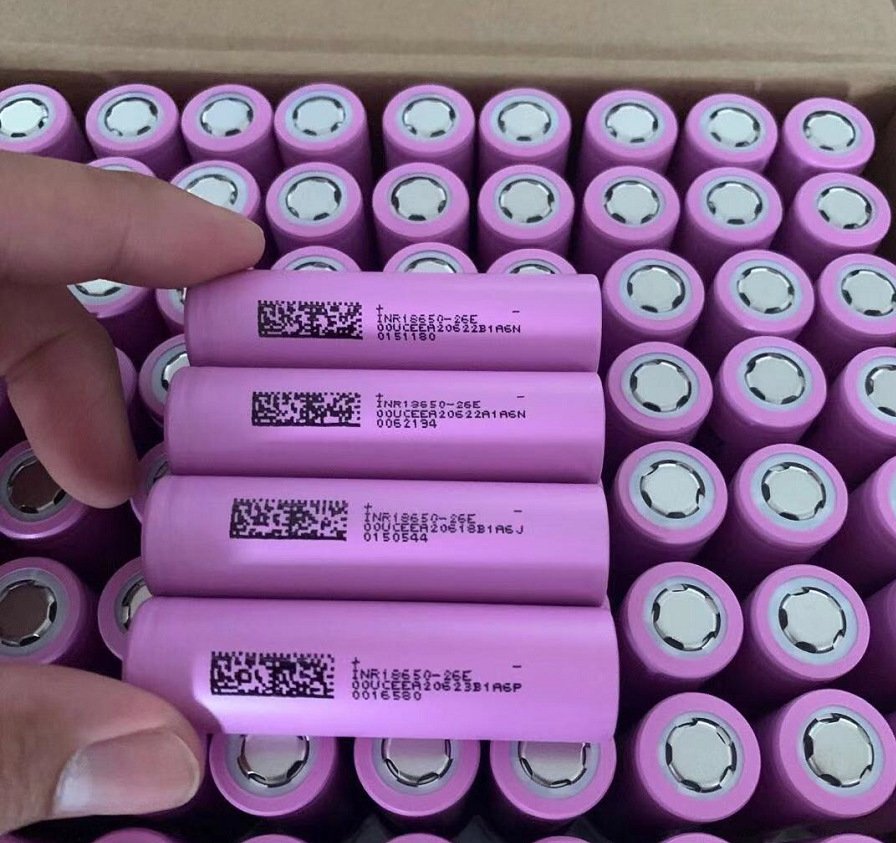
Top 5 Low Self-Discharge Solutions with 18650 & 32700 LFP Cells
Introduction
In industrial energy storage and backup power applications, battery self-discharge remains a critical performance metric that directly impacts system reliability and maintenance costs. Lithium Iron Phosphate (LFP) cylindrical cells, particularly the 18650 and 32700 formats, have emerged as superior solutions for low self-discharge requirements. This article examines the top five technical approaches to minimizing self-discharge in LFP cylindrical battery systems, providing actionable insights for engineers and technical procurement specialists evaluating long-term energy storage solutions.
Understanding Self-Discharge in LFP Chemistry
Self-discharge refers to the gradual loss of stored energy when a battery remains idle. In LFP cells, this phenomenon occurs through electrochemical side reactions at the electrode-electrolyte interface. Unlike NCM or NCA chemistries, LFP’s olivine crystal structure provides exceptional thermal and chemical stability, resulting in typical monthly self-discharge rates of 1-3% at ambient temperature—significantly lower than alternative lithium-ion chemistries.
Top 5 Low Self-Discharge Solutions
1. Optimized Cell Format Selection: 18650 vs. 32700
The physical dimensions of cylindrical cells directly influence self-discharge characteristics. The 18650 format (18mm diameter × 65mm length) offers proven reliability with capacities ranging from 1,500 to 3,500mAh, while the 32700 format (32mm diameter × 70mm length) delivers 5,000-7,000mAh capacity with improved surface-area-to-volume ratios. Larger format cells like the 32700 demonstrate reduced relative self-discharge due to lower surface-area exposure per unit capacity. For applications requiring extended shelf life, the 32700 LFP configuration provides superior performance, particularly in cylindrical battery cell implementations where capacity density matters.
2. Advanced Electrolyte Formulation
Electrolyte composition fundamentally determines self-discharge rates. Modern LFP cells utilize optimized carbonate-based electrolytes with specialized additives including vinylene carbonate (VC) and fluoroethylene carbonate (FEC). These additives form stable solid-electrolyte interphase (SEI) layers that minimize parasitic reactions. Premium manufacturers implement electrolyte purification processes reducing moisture content below 20ppm, preventing hydrolysis reactions that accelerate self-discharge. Technical buyers should request electrolyte specification sheets when evaluating battery manufacturers in China for critical applications.
3. Precision Manufacturing Control
Manufacturing consistency directly correlates with self-discharge performance. Contamination during cell assembly—particularly metallic particles or moisture—creates internal micro-short circuits that dramatically increase self-discharge rates. Leading manufacturers maintain Class 10,000 cleanroom environments with automated winding and filling processes. Quality control protocols include 72-hour open-circuit voltage (OCV) monitoring to identify cells with abnormal self-discharge before shipment. This manufacturing rigor ensures batch-to-batch consistency essential for large-scale energy storage deployments.
4. Temperature-Managed Storage Protocols
Self-discharge rates exhibit strong temperature dependence, approximately doubling for every 10°C increase. LFP cells stored at 25°C demonstrate monthly self-discharge of 2-3%, while 45°C storage can exceed 5-6% monthly loss. Implementing temperature-controlled storage environments between 15-25°C optimizes shelf life. For field deployments, thermal management systems maintaining moderate operating temperatures preserve capacity during idle periods. Engineering specifications should include temperature coefficients when calculating long-term energy availability.
5. Integrated Battery Management Systems
Advanced BMS architecture enables active self-discharge monitoring and compensation. Modern systems track individual cell voltage drift during rest periods, identifying high self-discharge cells before they compromise pack performance. Passive balancing circuits minimize voltage divergence across series-connected cells, while intelligent sleep modes reduce system-level parasitic drain to microamp levels. For mission-critical applications, BMS integration with remote monitoring platforms enables predictive maintenance scheduling based on actual self-discharge data rather than theoretical estimates. Partners can discuss custom BMS integration requirements through the contact page.
Technical Comparison Matrix
| Parameter | 18650 LFP | 32700 LFP |
|---|---|---|
| Nominal Voltage | 3.2V | 3.2V |
| Capacity Range | 1,500-3,500mAh | 5,000-7,000mAh |
| Monthly Self-Discharge | 2-3% | 1.5-2.5% |
| Cycle Life | 2,000-3,000 | 3,000-5,000 |
| Operating Temperature | -20°C to 60°C | -20°C to 60°C |
Implementation Recommendations
For engineers specifying LFP cylindrical cells, prioritize manufacturers providing detailed self-discharge test data at multiple temperature points. Request accelerated aging reports demonstrating performance after 1,000+ cycles. Verify manufacturing certifications including ISO 9001, IEC 62619, and UN 38.3 transportation compliance. When designing battery packs, incorporate 10-15% capacity margin to account for cumulative self-discharge over expected service intervals.
Conclusion
Minimizing self-discharge in 18650 and 32700 LFP battery systems requires holistic attention to cell chemistry, manufacturing quality, environmental controls, and system integration. The five solutions outlined above represent proven approaches adopted by leading energy storage manufacturers. By implementing these strategies, technical teams can achieve reliable long-term performance with minimal maintenance overhead. For project-specific consultations regarding cylindrical LFP cell selection and integration, qualified engineering support is available through established manufacturing partners specializing in industrial-grade battery solutions.