

Top 5 Low MOQ Problems with 32700 Cells in Drone Applications & Solutions Complete Solution
The rapid expansion of commercial UAV markets has intensified demand for reliable, high-performance battery solutions. Among cylindrical lithium cells, the 32700 LiFePO4 format has emerged as a compelling choice for drone applications, offering superior thermal stability, extended cycle life, and enhanced safety profiles. However, businesses seeking low minimum order quantity (MOQ) procurement face significant challenges that can impact project timelines, cost structures, and product quality. This comprehensive analysis addresses the top five low MOQ problems with 32700 cells in drone applications and delivers actionable solutions for B2B buyers worldwide.
Understanding 32700 Cell Specifications for UAV Integration
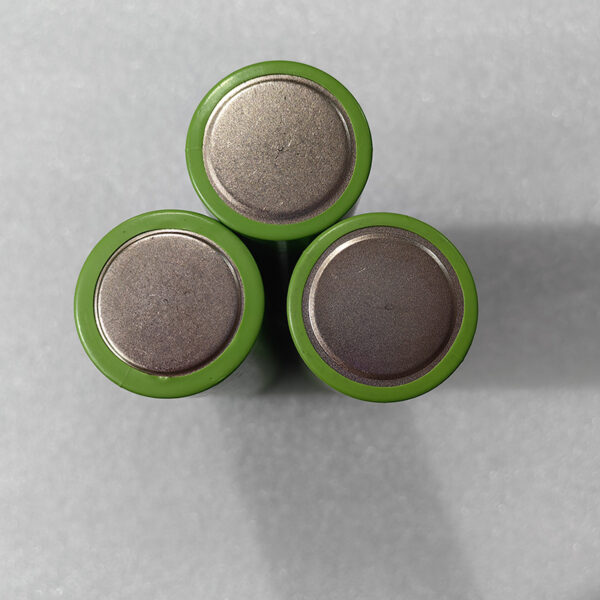
The 32700 cylindrical cell measures 32mm in diameter and 70mm in length, typically delivering nominal voltages of 3.2V (LiFePO4 chemistry) with capacities ranging from 5,000mAh to 6,500mAh. For drone applications, these cells provide critical advantages including discharge rates of 3C-5C continuous, operating temperature ranges from -20°C to 60°C, and cycle life exceeding 2,000 charges. When configuring battery packs for UAVs, engineers must account for series-parallel arrangements that balance voltage requirements with weight constraints.
Problem 1: Inconsistent Cell Quality at Low Volumes
Challenge: Suppliers often allocate lower-grade cells to small orders, resulting in capacity variations exceeding ±5% and increased failure rates during flight operations.
Technical Impact: Cell imbalance accelerates pack degradation, reduces effective capacity by 15-20%, and compromises flight safety through unexpected voltage drops under load.
Solution: Partner with manufacturers implementing strict binning protocols and providing individual cell test reports. Request samples with documented capacity, internal resistance, and self-discharge rates before committing to production orders. Established battery manufacturers in China maintain consistent quality standards regardless of order size through automated grading systems.
Problem 2: Extended Lead Times for Small Orders
Challenge: Low MOQ orders frequently experience production delays of 8-12 weeks compared to 4-6 weeks for bulk purchases, disrupting product development cycles.
Technical Impact: Delayed battery delivery cascades through UAV assembly schedules, postponing certification testing and market entry.
Solution: Maintain strategic relationships with suppliers offering inventory buffer programs. Some manufacturers stock pre-tested 32700 cells for rapid deployment on small orders. Consider cylindrical battery cell options with guaranteed availability windows specified in supply agreements.
Problem 3: Limited Customization Options
Challenge: Low-volume buyers face restricted access to custom tab configurations, wire harness integration, and BMS compatibility testing.
Technical Impact: Standard cell configurations may not optimize space utilization within drone frames, adding unnecessary weight and reducing flight time by 10-15%.
Solution: Negotiate modular customization packages that bundle multiple small orders into standardized custom runs. Work with engineering teams to design universal pack architectures accommodating standard 32700 dimensions while allowing voltage configuration flexibility.
Problem 4: Higher Unit Costs and Pricing Volatility
Challenge: Per-cell pricing for orders under 1,000 units can exceed bulk rates by 30-50%, with raw material fluctuations creating budget uncertainty.
Technical Impact: Elevated battery costs compress profit margins on commercial drone offerings, affecting competitive positioning in price-sensitive markets.
Solution: Implement cost-sharing consortiums with complementary UAV manufacturers to aggregate purchasing volume. Lock in pricing through quarterly contracts with raw material adjustment clauses. Explore regional sourcing strategies balancing cost against logistics expenses.
Problem 5: Insufficient Technical Support and Documentation
Challenge: Small-order customers receive minimal engineering support, incomplete safety documentation, and limited warranty coverage.
Technical Impact: Inadequate technical guidance leads to improper pack assembly, voided certifications, and increased liability exposure in commercial operations.
Solution: Select suppliers committed to comprehensive support regardless of order size. Demand complete documentation including UN38.3 test reports, MSDS certificates, and application-specific assembly guidelines. Accessible contact channels ensure ongoing technical consultation throughout product lifecycle.
Strategic Implementation Framework
Successful 32700 cell integration requires systematic evaluation across multiple dimensions. Begin with thorough supplier qualification assessing manufacturing certifications (ISO 9001, IATF 16949), production capacity, and quality control infrastructure. Conduct pilot testing with sample cells under actual flight conditions, monitoring temperature profiles, voltage sag under load, and capacity retention over 100+ cycles.
Develop comprehensive battery management strategies incorporating active cell balancing, thermal monitoring, and state-of-charge algorithms optimized for LiFePO4 chemistry characteristics. Document all testing protocols and maintain traceability records supporting regulatory compliance requirements across target markets.
Regional Considerations for Global Buyers
North American and European purchasers should verify supplier compliance with regional safety standards including UL 1642, IEC 62619, and CE marking requirements. Asian buyers benefit from proximity to manufacturing hubs but must still validate export documentation and logistics capabilities. Middle Eastern and African markets require special attention to high-temperature performance specifications and dust ingress protection ratings.
Conclusion
The 32700 cell format presents compelling advantages for drone applications when sourced strategically. By understanding and addressing these five low MOQ challenges, B2B buyers can secure reliable battery supplies supporting commercial UAV development without compromising quality or incurring prohibitive costs. Success hinges on selecting experienced manufacturing partners committed to consistent quality standards, transparent communication, and comprehensive technical support across all order volumes.
For businesses evaluating 32700 cell integration into drone platforms, establishing direct manufacturer relationships proves essential. Professional battery suppliers offering flexible MOQ structures, documented quality processes, and responsive engineering support enable successful UAV product development regardless of initial order size. The investment in thorough supplier qualification and testing protocols delivers measurable returns through improved product reliability, reduced warranty claims, and accelerated time-to-market for commercial drone offerings.


