

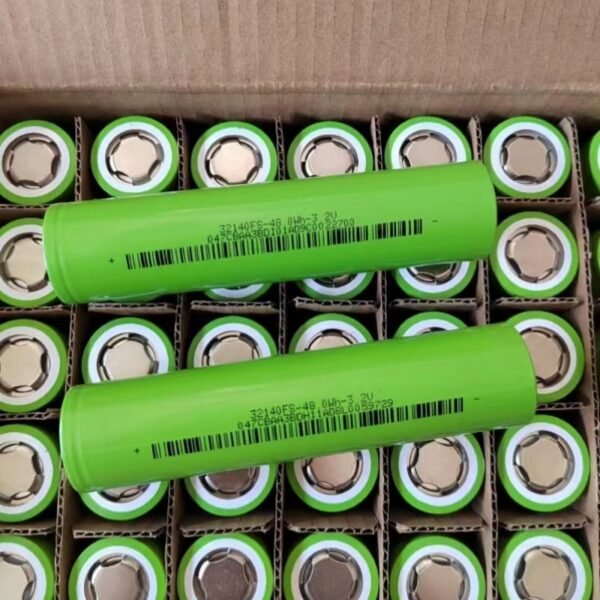
Top 5 Low MOQ Problems with 32135 Cells in Electric Motorcycle Applications & Solutions Solve Today
The electric motorcycle industry is experiencing unprecedented growth in 2026, with global production exceeding 22 million units annually. As manufacturers transition from lead-acid to lithium-ion technology, the 32135 cylindrical battery cell has emerged as a preferred choice for medium to high-power applications. However, procurement teams and engineering departments frequently encounter significant challenges when sourcing these cells with low minimum order quantities (MOQ). This article addresses the top five low MOQ problems and provides actionable solutions for B2B buyers worldwide.
Understanding 32135 Cell Specifications
Before diving into procurement challenges, it’s essential to understand the technical foundation. The 32135 cell features a 32mm diameter and 135mm height, typically delivering 10-15Ah capacity with nominal voltages of 3.2V (LFP) or 3.6-3.7V (NMC). These cells offer excellent thermal stability, cycle life exceeding 2000 charges, and discharge rates suitable for electric motorcycle powertrains ranging from 2kW to 10kW systems.
Problem 1: Limited Supplier Flexibility on Small Orders
Challenge: Most Tier-1 battery manufacturers set MOQ thresholds at 10,000+ units, making prototype development and small-batch production financially unviable for emerging electric motorcycle brands.
Technical Impact: This forces engineers to redesign pack configurations using available cell formats, potentially compromising optimal energy density and thermal management.
Solution: Partner with specialized manufacturers offering tiered MOQ structures. Reputable Chinese battery manufacturers now provide flexible order quantities starting from 500-1000 cells for qualified B2B customers. This enables iterative prototyping without excessive capital commitment.
Problem 2: Inconsistent Cell Matching at Low Volumes
Challenge: When ordering small quantities, cells may come from different production batches, resulting in capacity variance exceeding ±3% and internal resistance mismatches.
Technical Impact: In series-parallel configurations, mismatched cells accelerate degradation through uneven current distribution. A 5% capacity variance can reduce overall pack lifespan by 30-40%.
Solution: Request batch-matched cells with documented testing reports. Quality suppliers perform capacity grading, internal resistance measurement, and self-discharge testing before shipment. Specify matching tolerance requirements (±1% capacity, ±2mΩ resistance) in purchase agreements.
Problem 3: Extended Lead Times for Custom Specifications
Challenge: Low MOQ orders often receive lower production priority, resulting in 8-12 week lead times versus 4-6 weeks for standard high-volume orders.
Technical Impact: Delayed cell delivery cascades into postponed vehicle certification, market launch delays, and missed regulatory compliance windows, particularly critical with 2026’s enhanced safety standards.
Solution: Maintain strategic inventory of standard 32135 specifications while negotiating priority production slots. Some manufacturers offer expedited processing for repeat customers with established quality records. Consider maintaining 3-month safety stock for critical projects.
Problem 4: Higher Unit Costs Without Volume Discounts
Challenge: Low MOQ purchases typically incur 15-30% price premiums compared to volume pricing, impacting overall vehicle cost structure and competitiveness.
Technical Impact: Increased battery costs directly affect retail pricing, potentially reducing market penetration in price-sensitive regions like Southeast Asia and Latin America.
Solution: Leverage consortium purchasing through industry associations or partner with multiple small manufacturers to aggregate demand. Additionally, negotiate long-term pricing agreements with scheduled volume increases to secure better rates while maintaining initial low MOQ flexibility.
Problem 5: Limited Technical Support and Documentation
Challenge: Small-order customers often receive minimal engineering support, incomplete test documentation, and delayed responses to technical inquiries.
Technical Impact: Insufficient documentation complicates UN38.3 certification, IEC 62133 compliance, and overall vehicle type approval processes required for market entry.
Solution: Prioritize suppliers with dedicated B2B support teams regardless of order size. Request comprehensive documentation packages including MSDS, test reports, cycle life data, and thermal characterization curves. Establish clear communication protocols before order confirmation.
Strategic Recommendations for 2026 Procurement
The evolving regulatory landscape in 2026 demands heightened attention to battery quality and traceability. New international standards require detailed cell-level documentation and performance validation. Procurement teams should:
- Verify manufacturer certifications (ISO 9001, IATF 16949, UN38.3)
- Request sample testing before committing to production orders
- Establish quality agreements with clear acceptance criteria
- Plan for scalability as production volumes increase
Conclusion
Navigating low MOQ challenges with 32135 cells requires strategic supplier selection, clear technical specifications, and proactive relationship management. The electric motorcycle market’s rapid evolution demands flexible battery solutions without compromising quality or compliance.
For professional-grade 32135 cylindrical battery cells with flexible MOQ options, explore comprehensive product specifications at Cylindrical Battery Cell Solutions. Partner with experienced Battery Manufacturers in China who understand the unique requirements of electric motorcycle applications and can provide the technical support necessary for successful product development.
Ready to discuss your specific requirements? Contact our engineering team directly at Contact Us for customized solutions tailored to your production timeline and technical specifications.
This technical analysis reflects current industry standards and procurement best practices for 2026 electric motorcycle battery applications. All specifications should be verified with your chosen supplier before finalizing design decisions.

