Top 5 Low MOQ Problems with 26650 Cells in Drone Applications & Solutions
For drone engineers and technical procurement managers, the transition from standard 18650 cells to high-capacity 26650 lithium cells represents a significant leap in energy density and flight time. However, scaling up drone battery packs introduces unique challenges, particularly when operating under Low Minimum Order Quantities (MOQs). Unlike mass production runs where standardization reigns supreme, low-volume orders for 26650 cells often expose hidden complexities in supply chain management, customization lead times, and technical support.
As a professional in the drone industry, you know that a failed battery integration can ground your entire fleet. This article dissects the Top 5 Low MOQ Problems specific to 26650 cells in drone applications and provides actionable solutions to ensure your project stays airborne.
Understanding the 26650 Advantage in UAVs
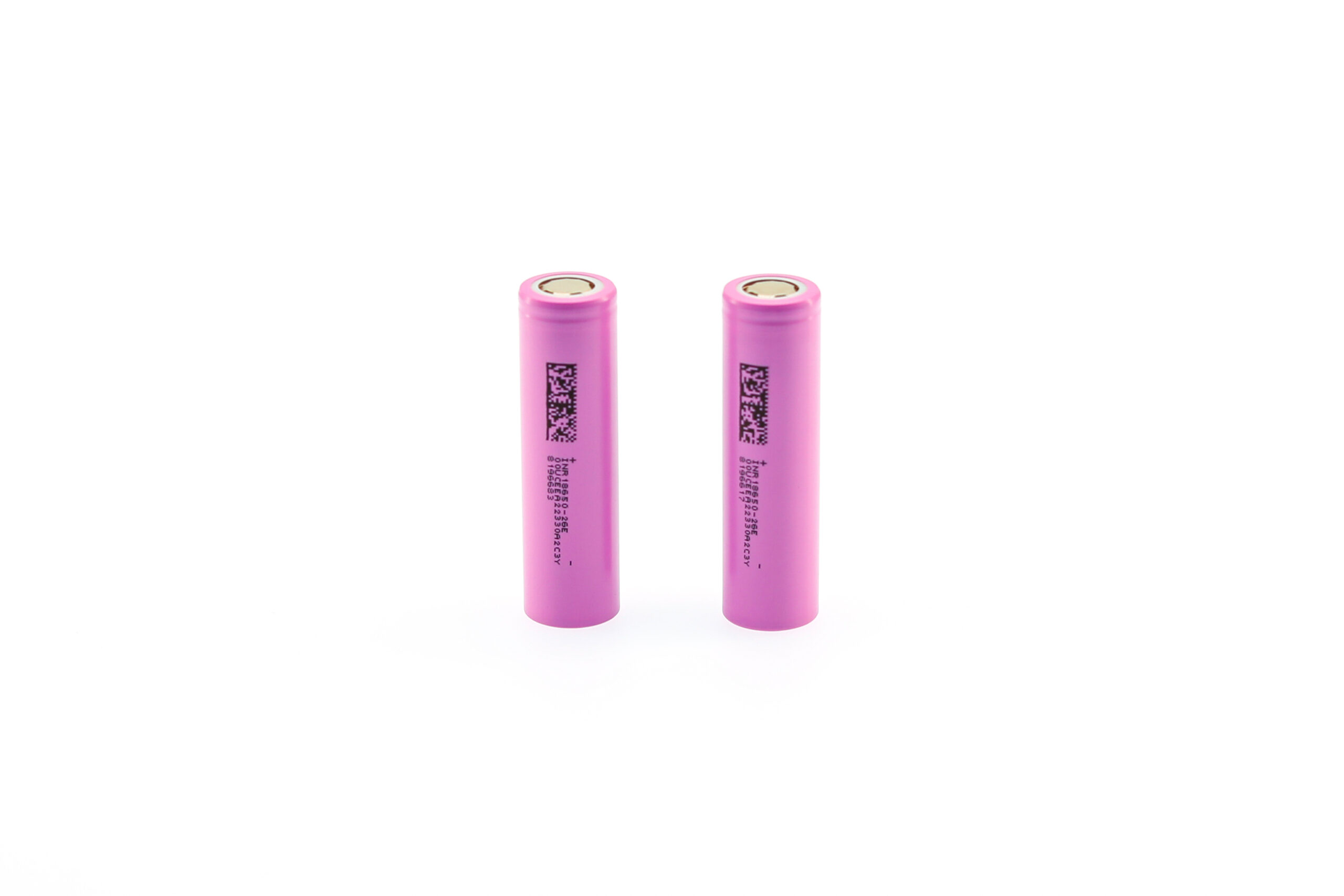
Before diving into the problems, let’s clarify why the 26650 cylindrical cell is the preferred choice for high-performance drones. Compared to the ubiquitous 18650, the 26650 format (26mm diameter, 65mm height) offers a larger volume, allowing for higher capacity (mAh) and superior thermal management.
For drones, this translates directly into:
- Extended Flight Time: More energy storage in the same cylindrical form factor.
- Reduced Cell Count: Fewer cells are needed to achieve the same voltage/capacity, simplifying the Battery Management System (BMS) complexity.
- Better Heat Dissipation: The larger surface area helps manage the intense heat generated during high-discharge drone operations.
However, the very attributes that make 26650 cells powerful—higher energy density and specific discharge curves—also make them tricky to source and integrate when you aren’t ordering millions of units.
Problem 1: The “Standard Stock” Dilemma
The Issue:
Most battery manufacturers operate on a “Push” model, producing massive quantities of “standard” cells (like the common INR18650-3500) for the consumer electronics market. When you request a Low MOQ for a specialized 26650 drone cell—which likely requires a specific high-discharge (High-C) chemistry or定制 (Custom) specifications—the factory’s standard inventory is often useless to you. You are forced into a long lead time while they retool the production line, or worse, they simply reject the order because your quantity doesn’t justify the setup cost.
The Solution:
Partner with a manufacturer that operates a flexible production model. Look for suppliers who maintain a base stock of high-grade 26650 casings and raw materials but keep their electrolyte mixing and formation processes agile. This allows them to tailor the internal chemistry to your drone’s specific discharge profile without the typical 60-90 day wait time associated with custom cells.
Expert Tip: If your drone requires a continuous discharge rate above 20C, do not settle for a generic “energy” type 26650. You need a “power” type cell specifically engineered for high current.
Problem 2: Inconsistent Quality Control (QC)
The Issue:
In low-volume production, the cost of Quality Control per unit is higher. Many suppliers offering Low MOQs cut corners by performing batch sampling rather than 100% testing. For a drone application, a single weak cell in a series pack can lead to catastrophic voltage sag, overheating, or even a crash. Standard cells might only be graded as “Grade A,” but they lack the tight binning (sorting by capacity, internal resistance, and voltage) required for drone packs.
The Solution:
Demand a 100% testing protocol. Your chosen supplier must test every single 26650 cell on the formation line, not just抽查 (spot check). Specifically, you need cells that are binned for Internal Resistance (IR). For drone safety, the IR variance between cells in a batch should be less than 2mΩ. This ensures balanced charging and discharging, preventing thermal runaway.
Problem 3: Lack of Technical Integration Support
The Issue:
Procuring cells is only half the battle. Integrating 26650 cells into a drone involves complex mechanical design (to withstand vibration), welding parameters (nickel strip resistance), and BMS programming. Suppliers focused on high-volume retail often provide zero technical support for Low MOQ clients. You are left alone to figure out the spot welding parameters or the optimal charging algorithm for your custom chemistry.
The Solution:
Choose a partner that acts as an Engineering Extension. A true manufacturer should offer technical datasheets with detailed discharge curves specific to your requested chemistry, provide recommended welding parameters (time, current, pressure), and offer guidance on BMS protection board settings. This level of support bridges the gap between receiving raw cells and deploying a functional, safe drone battery.
Problem 4: Supply Chain Fragility
The Issue:
Drone projects rarely follow a linear production schedule. You might order 500 units for a prototype, then 2,000 for a pilot run, and then need another 500 urgently for a repair batch six months later. Many factories using Low MOQs as a “loss leader” will disappear or change their配方 (formula) by the time you need your second order. This results in Batch Inconsistency, where the cells in your repair batch have different voltage curves than the original cells, making them unsafe to parallel or series charge together.
The Solution:
Secure a “Golden Sample” agreement. A reliable manufacturer will store your specific formulation data and tooling for a set period. This guarantees that when you reorder your Low MOQ (even if it’s years later), you receive cells with identical electrochemical properties to your first batch. This is crucial for maintaining drone fleet reliability over time.
Problem 5: Hidden Costs of Customization
The Issue:
While the unit price of a 26650 might look attractive, Low MOQ orders often come with hidden surcharges: NRE (Non-Recurring Engineering) fees, mold fees for custom tabs or labels, and high shipping costs for small packages. These can inflate your Bill of Materials (BOM) cost beyond budget, jeopardizing your drone’s market competitiveness.
The Solution:
Optimize for “Standard Customization.” Work with a manufacturer that has a library of pre-approved chemistries and mechanical modifications. By selecting a chemistry close to an existing platform (e.g., tweaking an existing power cell rather than inventing a new one), you can eliminate NRE fees. Furthermore, leveraging a manufacturer’s existing logistics network for small parcels can drastically reduce shipping overhead.
Why Choose CNS Battery for Your Drone Project?
Navigating the complexities of Low MOQ 26650 cells requires a partner that understands the nuances of drone technology and agile manufacturing. At CNS Battery, we specialize in providing high-performance cylindrical cells tailored to the unique demands of UAV applications.
We understand that your drone needs more than just a battery; it needs a reliable power source engineered for the skies. Whether you need a standard high-drain cell or a fully Customized 26650 Solution, we have the technical expertise to support your project from prototype to production.
- Agile Manufacturing: We support flexible MOQs without compromising on the advanced technology needed for high-altitude performance.
- Drone-Grade Quality: Our cells undergo rigorous 100% testing to ensure the consistency and safety your drone demands.
Ready to power your next flight?
Explore our full range of Cylindrical Battery Cells designed for high energy and power density, or reach out to our technical team today to discuss your specific drone application requirements.
Explore Cylindrical Battery Solutions
About the Author:
This article was written by a senior technical blogger at CNS Battery, a leading manufacturer of advanced lithium-ion solutions based in Zhengzhou, China. With over two decades of experience in R&D and serving global clients, CNS Battery is committed to providing engineers with the most reliable power sources on the market. For more insights into battery technology, visit Battery Manufacturers in China.