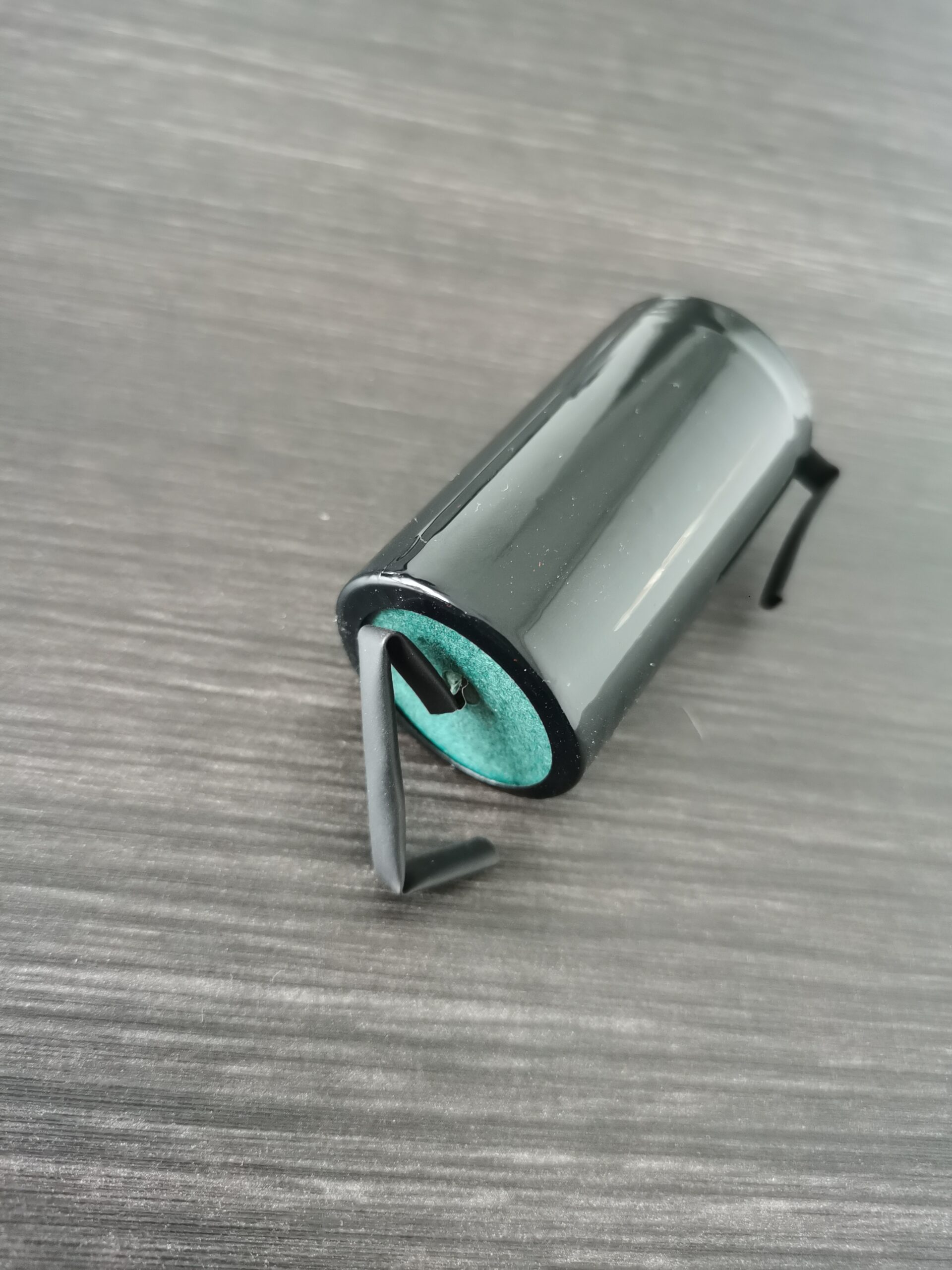
Top 5 Long Cycle Life Problems with 18650 Cells in Solar Storage Applications & Solutions Guaranteed
The rapid expansion of residential and commercial solar storage systems has intensified scrutiny on battery performance, particularly regarding cycle life reliability. Among various cell formats, 18650 cylindrical lithium-ion cells remain a cornerstone choice for solar energy storage due to their mature manufacturing ecosystem and cost-effectiveness. However, field deployments across North America, Europe, and Asia-Pacific regions reveal five critical cycle life challenges that directly impact total cost of ownership (TCO) and system longevity. This technical analysis provides actionable solutions aligned with international compliance standards.
Problem 1: Thermal Degradation Under Variable Load Conditions
Solar storage systems experience irregular charge-discharge patterns driven by weather-dependent generation and consumption profiles. 18650 cells operating above 45°C experience accelerated SEI (Solid Electrolyte Interphase) layer growth, reducing cycle life by 40-60% compared to optimal 25°C operation. In desert regions like Arizona or Middle East installations, ambient temperatures frequently exceed safe operating thresholds.
Solution: Implement active thermal management systems with temperature coefficients below 0.05Ω/°C. Advanced BMS (Battery Management Systems) should incorporate predictive thermal modeling based on regional climate data. For EU installations, compliance with EN 62619 safety standards requires thermal runaway propagation testing at cell and pack levels.
Problem 2: Inconsistent Cell Matching in Series-Parallel Configurations
Solar storage banks typically require hundreds of 18650 cells connected in complex series-parallel arrangements. Capacity variance exceeding 3% between cells creates imbalanced current distribution, causing premature degradation of weaker cells. This problem intensifies in large-scale commercial installations across California, Texas, and German markets where system capacities exceed 100kWh.
Solution: Adopt Grade-A cell sorting with capacity tolerance within ±1% and internal resistance matching below 5mΩ variance. Manufacturers should provide detailed cell characterization reports including OCV (Open Circuit Voltage) curves at multiple SOC (State of Charge) points. Visit https://cnsbattery.com/products-3/cylindrical-battery-cell/ for specifications on precision-matched cylindrical cells designed for solar applications.
Problem 3: Deep Discharge Damage During Extended Cloud Periods
Unlike grid-tied applications, off-grid solar systems may experience prolonged discharge cycles during consecutive overcast days. 18650 cells discharged below 2.5V experience copper dissolution at the anode, causing irreversible capacity loss. This issue particularly affects installations in Northern Europe and Pacific Northwest regions with seasonal irradiance variations.
Solution: Configure BMS low-voltage cutoff at 2.8V per cell with hysteresis protection. Implement state-of-health (SOH) monitoring algorithms that track cumulative deep discharge events. For North American installations, ensure compliance with UL 1973 and UL 9540A standards requiring documented discharge protection protocols.
Problem 4: Calendar Aging Acceleration in Partial State-of-Charge Storage
Solar batteries frequently operate at 40-60% SOC during extended periods, contrary to the traditional 50% storage recommendation. Recent research indicates that NMC-based 18650 cells experience accelerated calendar aging when maintained at elevated voltages (>3.9V) in high-temperature environments common in Australian and Southeast Asian installations.
Solution: Implement dynamic SOC management that adjusts storage voltage based on ambient temperature. For every 10°C above 25°C, reduce float voltage by 50mV per cell. LiFePO4 chemistry alternatives offer superior calendar life for tropical climates, with cycle life exceeding 6000 cycles at 80% DOD (Depth of Discharge).
Problem 5: Quality Variance Across Manufacturing Batches
Solar storage systems have 15-20 year expected lifespans, requiring battery replacements from different production batches. Inconsistent electrode coating thickness, electrolyte formulation, or separator quality between batches creates performance mismatches that accelerate degradation. This concern affects procurement decisions for utility-scale projects in India, Brazil, and emerging markets.
Solution: Partner with manufacturers maintaining ISO 9001:2015 certification with batch traceability systems. Require comprehensive test reports including IEC 62660 cycle life validation. Chinese manufacturers with established export compliance can provide cost-effective solutions meeting international standards. Learn more about verified https://cnsbattery.com/battery-manufacturers-in-china/ for supply chain transparency.
Testing Methodologies for Cycle Life Validation
Reliable cycle life assessment requires standardized testing protocols. IEC 62660-2 specifies 1C charge/discharge at 25°C with 80% DOD for baseline comparison. However, solar applications demand additional testing including:
- Temperature cycling tests (-20°C to 60°C) simulating seasonal variations
- Partial state-of-charge cycling reflecting real-world solar patterns
- High-rate pulse testing for inverter compatibility validation
North American buyers should request UL-certified test reports, while European procurement requires CE marking with EN 62619 compliance documentation.
Regional Compliance and Technical Barriers
Different markets impose varying technical requirements affecting 18650 cell selection. The European Union’s Battery Regulation (EU) 2023/1542 mandates carbon footprint declarations and recycled content minimums by 2027. US installations require NEC Article 706 compliance for energy storage systems. Asian markets increasingly adopt GB/T standards harmonized with IEC frameworks.
Manufacturers serving global markets must maintain multi-standard certification portfolios. This includes UN 38.3 transportation safety, IEC 62133 electrical safety, and region-specific grid interconnection requirements. Working with established suppliers reduces compliance risk for international projects.
Conclusion
Addressing these five cycle life challenges requires systematic approaches combining proper cell selection, thermal management, BMS configuration, and compliance verification. Solar storage system designers must balance initial cost against lifetime performance, recognizing that quality 18650 cells with proper support systems deliver superior TCO over 10+ year deployments.
For technical consultation on solar-optimized cylindrical cells and regional compliance support, contact our engineering team at https://cnsbattery.com/contact-2/. Our product lines meet UL, CE, and IEC standards with documented cycle life performance validated through third-party testing laboratories in Germany, California, and Japan.
Investing in properly specified 18650 cells with comprehensive warranty support ensures solar storage systems achieve their designed lifespan while maintaining safety and performance across diverse geographical installations. The key lies in partnering with manufacturers who understand both technical requirements and regional regulatory landscapes.