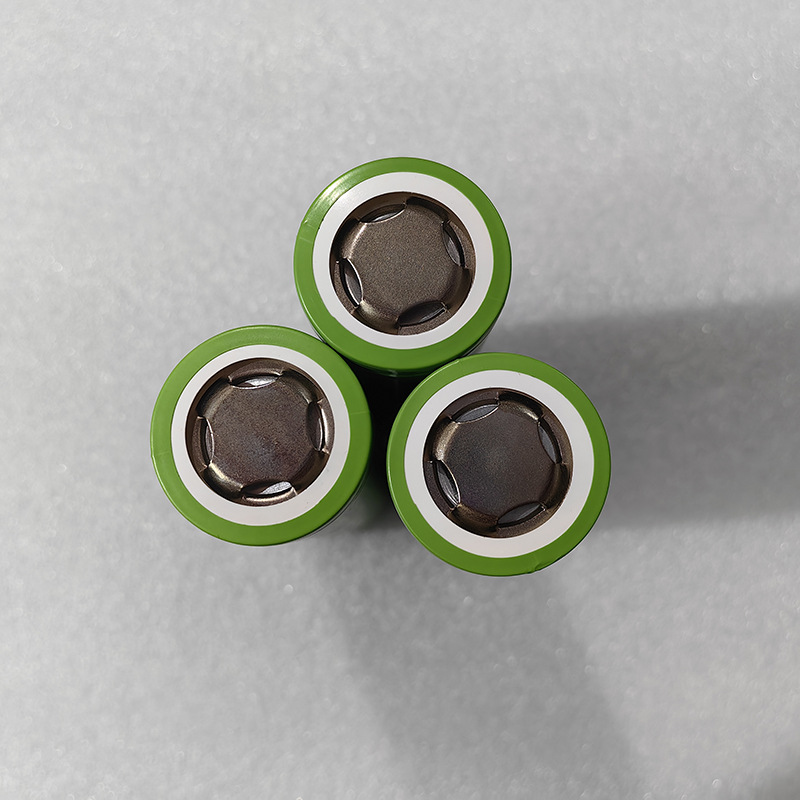
Top 5 High Energy Density Problems with 18650 Cells in Electric Motorcycle Applications & Solutions 2026 Buyer’s Guide
The electric motorcycle industry continues its rapid expansion across North America, Europe, and Southeast Asia in 2026, with 18650 lithium-ion cells remaining a cornerstone power solution for manufacturers seeking cost-effective, high-performance battery packs. However, maximizing energy density while maintaining safety and reliability presents significant engineering challenges. This comprehensive buyer’s guide examines the top five high energy density problems confronting 18650 cells in electric motorcycle applications and provides actionable solutions for B2B purchasers and OEM partners worldwide.
1. Thermal Runaway Risk at High Energy Densities
Problem: As 18650 cells push toward 3,500mAh+ capacities, internal heat generation during high-discharge motorcycle operations increases exponentially. When cell temperatures exceed 130°C, separator materials begin melting, triggering catastrophic thermal runaway—a critical concern for motorcycles operating in hot climates across India, Southeast Asia, and Middle Eastern markets.
Solution: Implement advanced battery management systems (BMS) with real-time thermal monitoring and active cooling mechanisms. Phase change materials (PCM) integrated into pack designs provide passive thermal regulation, while forced air-cooling systems with fin structures enhance heat dissipation during peak performance demands.
2. Capacity Degradation from Fast-Charging Cycles
Problem: Electric motorcycle operators demand rapid charging capabilities, but 1C/2C charging rates accelerate capacity decay in high-density 18650 cells. Research shows significant electrochemical impedance growth and operating temperature rise after just 500 fast-charge cycles, reducing pack lifespan and total cost of ownership.
Solution: Adopt smart charging protocols that dynamically adjust charging rates based on cell temperature and state-of-charge (SOC). Manufacturers should specify cells with enhanced anode materials and electrolyte formulations designed for fast-charge tolerance, ensuring compliance with regional safety standards including EU Battery Regulation 2023 and US UL 2580.
3. Cell-to-Cell Voltage Imbalance in Series Configurations
Problem: Electric motorcycle packs typically require 48V-72V systems, necessitating 13-20 cells in series. High energy density variations between individual 18650 cells create voltage imbalances during charge/discharge cycles, reducing overall pack capacity and accelerating degradation of weaker cells.
Solution: Implement active cell balancing circuits within BMS architecture, ensuring uniform current distribution across all cells. Pre-screening cells with tight capacity tolerance (±50mAh) before pack assembly minimizes initial imbalance. Regular diagnostic monitoring enables predictive maintenance before performance degradation impacts vehicle range.
4. Mechanical Vibration and Structural Integrity Challenges
Problem: Motorcycle applications subject battery packs to significantly higher vibration levels compared to stationary energy storage or passenger EVs. High-density 18650 cells with thinner separator films and compact internal structures face increased risk of internal short circuits from prolonged mechanical stress, particularly in emerging markets with varied road conditions across Latin America and Africa.
Solution: Utilize industrial-grade 18650 cells with reinforced casing and enhanced internal welding. Pack designs should incorporate vibration-dampening materials and secure mounting systems meeting ISO 12405-4 vibration testing standards. Potting compounds provide additional structural support while improving thermal conductivity.
5. Regulatory Compliance and Regional Certification Requirements
Problem: Global electric motorcycle manufacturers face fragmented regulatory landscapes. European UN ECE R100.03, US DOT requirements, Chinese GB 18384-2025 standards, and Southeast Asian country-specific certifications create complex compliance challenges for 18650 cell sourcing and pack integration.
Solution: Partner with manufacturers maintaining comprehensive certification portfolios across target markets. Documentation should include UN 38.3 transportation certification, IEC 62133 safety standards, and region-specific type approval certificates. Traceability systems ensuring cell-level batch tracking support recall management and warranty claims.
Why CNS BATTERY Stands Out for 2026 Electric Motorcycle Projects
CNS BATTERY delivers premium cylindrical battery cell solutions specifically engineered for electric motorcycle applications, addressing all five challenges outlined above. Our 18650 cell portfolio features enhanced thermal stability, fast-charge optimized chemistry, and comprehensive global certifications supporting market entry across North America, Europe, and Asia-Pacific regions.
As established battery manufacturers in China, we maintain ISO 9001, IATF 16949, and UN 38.3 certifications with full traceability from raw materials to finished cells. Our cylindrical battery cell range includes high-energy density options up to 3,500mAh with discharge rates supporting 5C continuous operation—ideal for performance motorcycle applications.
For B2B partners seeking reliable supply chains, competitive pricing, and technical support for electric motorcycle battery integration, our team provides comprehensive consultation from cell selection through pack design validation. Contact our international sales team today at https://cnsbattery.com/contact-2/ to discuss your 2026 procurement requirements and receive customized quotations within 24 hours.
Geo-Targeted Markets: USA, Germany, United Kingdom, India, Vietnam, Thailand, Brazil, Mexico, Australia, Canada
Published: March 2026 | Updated for Global B2B Buyers | CNS BATTERY Technical Marketing Division