Top 5 High Discharge Rate Problems with 18650 Cells in EV Applications & Solutions OEM Custom Solutions
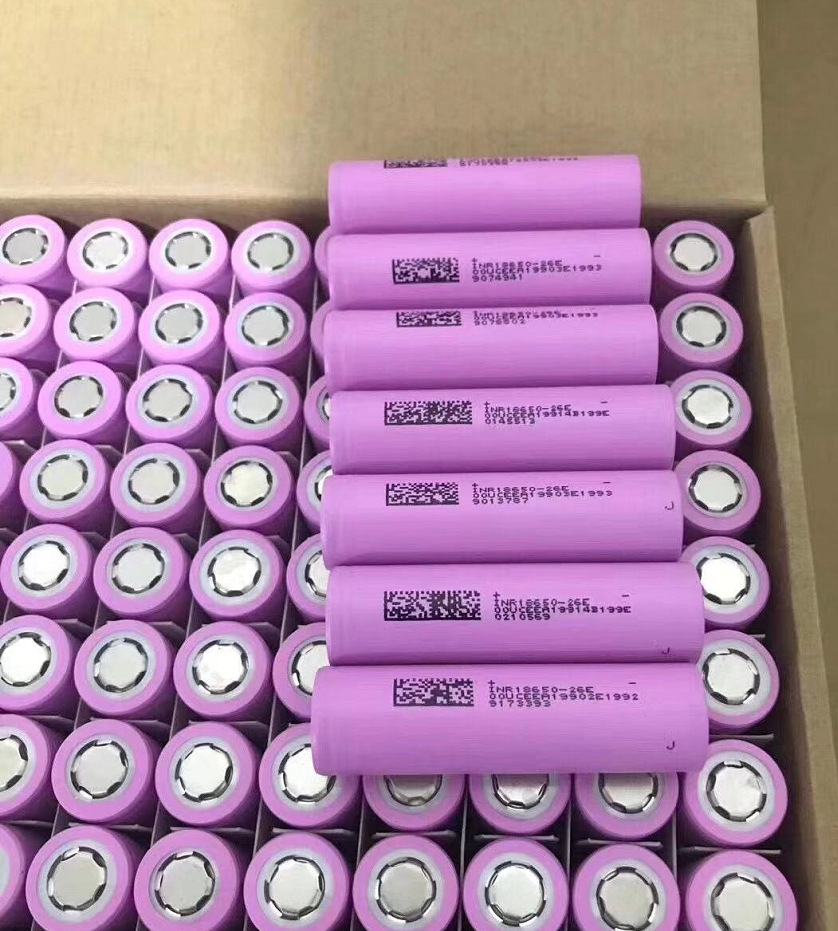
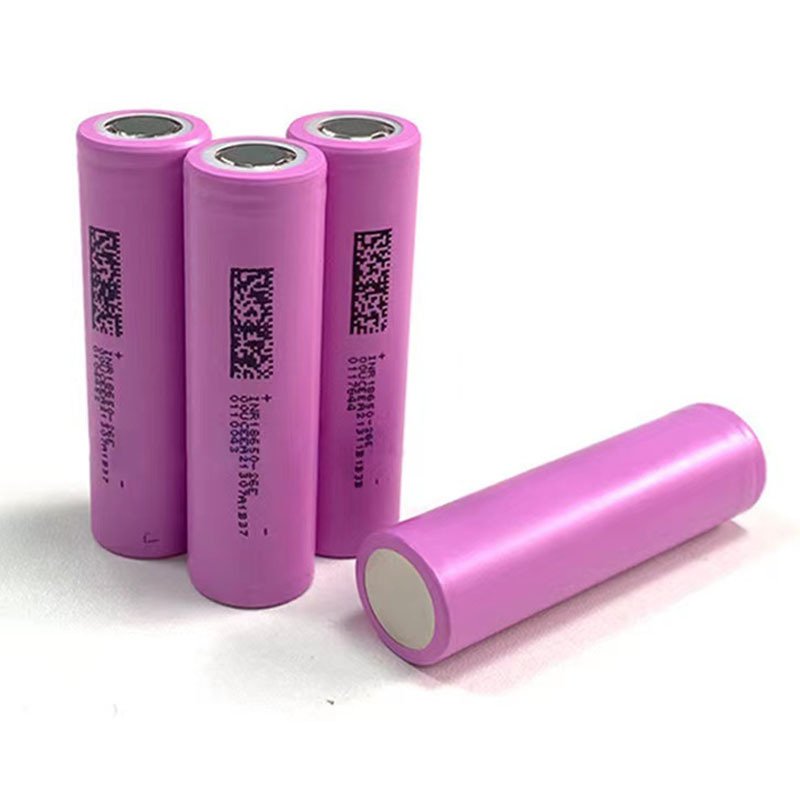
In the evolving landscape of electric vehicle (EV) propulsion, the 18650 cylindrical lithium-ion cell remains a cornerstone for light EVs, e-bikes, and specific automotive modules due to its mature manufacturing ecosystem and energy density. However, pushing these cells to high discharge rates introduces critical engineering challenges. For OEMs and technical procurement specialists, understanding the failure modes associated with high-current demands is essential for safety and longevity. This analysis dissects the top five high discharge rate problems with 18650 cells in EV applications and outlines OEM custom solutions to mitigate these risks.
1. Thermal Runaway and Heat Accumulation
The most severe risk during high-rate discharge is thermal runaway. When an 18650 cell discharges at high C-rates (e.g., 3C or 5C), internal resistance generates significant heat ($Q = I^2R$). If heat dissipation cannot match generation, the internal temperature exceeds the separator’s melting point (typically around 130°C), leading to internal short circuits.
Technical Insight: In EV packs, poor thermal management exacerbates this. OEMs must prioritize cells with ceramic-coated separators and low-impedance electrolytes. Testing protocols should include thermal imaging under load to identify hot spots before pack integration.
2. Voltage Sag and Power Loss
High discharge currents cause immediate voltage sag due to ohmic resistance and polarization. This reduces the effective power output and can trigger Battery Management System (BMS) low-voltage cutoffs prematurely, limiting vehicle range and performance.
Parameter Focus: Direct Current Internal Resistance (DCIR) is the critical metric. For high-power EV applications, DCIR should be minimized (<15mΩ). Hybrid Pulse Power Characterization (HPPC) testing is the industry standard for validating voltage stability under dynamic load profiles typical in EV driving cycles.
3. Cycle Life Degradation Under Stress
Continuous high-rate discharge accelerates structural degradation of the cathode and anode materials. Lithium plating on the anode surface becomes prevalent at high currents, especially in low-temperature environments, permanently reducing capacity and increasing internal resistance over time.
Solution Strategy: OEM custom solutions often involve doping cathode materials to enhance structural stability. Procurement teams should request cycle life data specifically under high-discharge conditions, not just standard 0.5C testing. Long-term durability is key to reducing total cost of ownership.
4. Cell-to-Cell Consistency Issues
In EV packs, hundreds of 18650 cells are connected in series and parallel. High discharge rates amplify minor inconsistencies in capacity or internal resistance. A weaker cell may reach its voltage limit faster, forcing the entire pack to throttle performance or risking over-discharge damage.
Matching Standards: Strict binning processes are non-negotiable. Advanced OEMs require cells matched within <1% capacity variance and <2mΩ resistance variance. Automated sorting during manufacturing ensures uniform current distribution across the pack, preventing weak links from failing under stress.
5. Safety Venting and Pressure Build-up
High currents generate gas within the cell due to electrolyte decomposition. If the internal pressure exceeds the vent mechanism’s threshold, the cell vents hot gas, potentially igniting neighboring cells. In confined EV battery compartments, this poses a significant safety hazard.
Engineering Control: Robust vent design and pressure relief mechanisms are vital. Cells designed for high discharge must incorporate pressure-resistant casings and reliable CID (Current Interrupt Device) mechanisms. Safety testing should comply with UN38.3 and IEC62133 standards to ensure mechanical integrity under abuse conditions.
OEM Custom Solutions and Technical Barriers
Addressing these problems requires more than off-the-shelf components; it demands OEM Custom Solutions. Manufacturers must tailor chemistry, casing thickness, and tab design to specific EV powertrain requirements. For instance, increasing tab width reduces current density and heat generation at the terminal.
For global engineers seeking reliable partners, navigating the supply chain is critical. CNS Battery specializes in high-performance cylindrical cells engineered for these exact challenges. Their cylindrical battery cell lineup is optimized for high discharge stability, featuring advanced thermal management properties and rigorous consistency matching.
Regional Compliance and Geo-Adaptability
A major technical barrier for EV components is regional regulatory compliance. Cells destined for the European market must adhere to strict EU Battery Regulations regarding carbon footprint and recycling, while US projects often require alignment with UL standards and local sourcing incentives.
CNS Battery addresses these geo-specific requirements through localized testing and certification protocols. Whether adapting to the cold-weather performance demands of Northern Europe or the high-temperature stability required in the American Southwest, their manufacturing processes ensure compliance with diverse technical standards. For procurement teams evaluating battery manufacturers in China, verifying these compliance capabilities is essential for market access.
Conclusion
The deployment of 18650 cells in high-discharge EV applications requires a meticulous approach to thermal management, resistance control, and safety validation. By understanding the top five failure modes and leveraging OEM customizations, engineers can build safer, more efficient battery packs. Partnering with a manufacturer that understands both the technical nuances and the regulatory landscape is the final step in securing a competitive advantage.
For further technical consultation or to request specific datasheets regarding high-discharge 18650 cells, please reach out via the contact page. Ensuring your EV project meets global standards starts with the right cell technology.