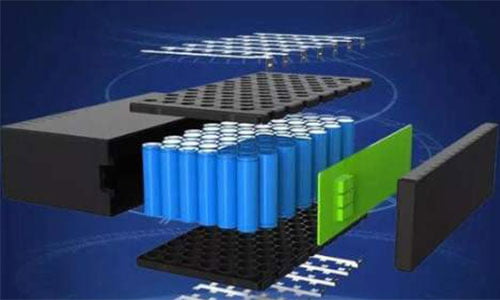
Top 5 High Discharge Rate Problems with 18650 Cells in Electric Motorcycle Applications & Solutions vs Competitors
The rapid expansion of the electric motorcycle market has intensified scrutiny on battery performance, particularly regarding high discharge rate capabilities. For B2B buyers and OEMs, understanding the critical challenges associated with 18650 lithium-ion cells is essential for making informed procurement decisions. This article examines the top five high discharge rate problems encountered in electric motorcycle applications and compares practical solutions against competitor offerings.
1. Thermal Runaway Risk Under High Current Load
Problem: During sustained high-discharge operations (20A+ continuous), 18650 cells generate significant internal heat. When ambient temperatures exceed 45°C or cooling systems underperform, separator degradation begins at 130°C, potentially triggering thermal runaway cascades across battery packs.
Solution: Advanced thermal management systems incorporating phase-change materials (PCM) and liquid cooling plates reduce operating temperatures by 15-20°C compared to air-cooled alternatives. Premium manufacturers implement cell-level temperature monitoring with BMS-integrated thermal throttling.
Competitor Comparison: While standard suppliers offer basic thermal protection, leading manufacturers provide multi-layer safety architectures with redundant temperature sensors and active cooling integration.
2. Voltage Sag and Power Delivery Inconsistency
Problem: High discharge rates cause significant voltage drops (0.3-0.5V per cell at 30A), reducing motor efficiency and creating unpredictable power delivery during acceleration phases.
Solution: Low-internal-resistance cell chemistries (INR/NMC formulations) combined with optimized pack configurations (higher parallel cell counts) maintain voltage stability. Advanced BMS algorithms predict and compensate for anticipated sag based on load profiles.
Competitor Comparison: Entry-level suppliers typically specify nominal capacity without discharge curve data, whereas premium partners provide comprehensive performance maps across temperature and C-rate ranges.
3. Cycle Life Degradation at High C-Rates
Problem: Continuous operation at 3C-5C discharge rates accelerates capacity fade, with some cells losing 20% capacity within 500 cycles compared to 1000+ cycles at 1C rates.
Solution: High-power grade 18650 cells feature reinforced electrode structures and optimized electrolyte formulations designed for high-stress applications. Smart charging protocols limit stress during regeneration cycles.
Competitor Comparison: Quality manufacturers certify cycle life under actual operating conditions, not just laboratory standards. Explore our cylindrical battery cell specifications for detailed performance data.
4. Cell-to-Cell Imbalance in Large Packs
Problem: Electric motorcycle packs typically contain 100+ cells in series-parallel configurations. Manufacturing tolerances and uneven thermal distribution create capacity imbalances, reducing usable pack capacity by 10-15%.
Solution: Active balancing BMS systems redistribute energy between cells during operation, maintaining ±50mV voltage variance versus ±200mV in passive systems. Pre-shipment cell matching within 2% capacity tolerance further improves pack uniformity.
Competitor Comparison: Budget suppliers often omit active balancing, accepting higher warranty claim rates. Professional manufacturers include balancing as standard, reducing long-term ownership costs.
5. Safety Certification and Regulatory Compliance Gaps
Problem: Many 18650 cells lack comprehensive certification for motorcycle applications (UN38.3, IEC62133, UL2271), creating liability risks for OEMs in regulated markets.
Solution: Reputable manufacturers maintain full certification portfolios with third-party test reports. Documentation includes abuse testing (crush, overcharge, short-circuit) specific to two-wheeler use cases.
Competitor Comparison: Verification of authentic certification documents distinguishes qualified suppliers from traders. Partner with established battery manufacturers in China who maintain transparent compliance records.
Strategic Recommendations for B2B Buyers
When evaluating 18650 cell suppliers for electric motorcycle applications, prioritize:
- Verified discharge performance data under actual operating conditions
- Integrated thermal management compatibility with your pack design
- Active BMS balancing capabilities for long-term reliability
- Complete certification documentation for target markets
- Technical support infrastructure for integration assistance
The total cost of ownership extends far beyond unit price. Cells costing 15-20% more upfront often deliver 40-50% longer service life with reduced warranty exposure.
Conclusion
High discharge rate challenges in 18650 cells require systematic solutions spanning cell chemistry, pack design, and management systems. B2B buyers who partner with technically competent manufacturers gain competitive advantages through improved product reliability and reduced after-sales costs.
For detailed technical consultations and customized battery solutions, contact our engineering team to discuss your specific application requirements. Our manufacturing facilities support volume production with consistent quality control and full traceability from raw materials to finished packs.
Selecting the right 18650 cell partner determines not only immediate product performance but also long-term brand reputation in the rapidly evolving electric mobility sector.