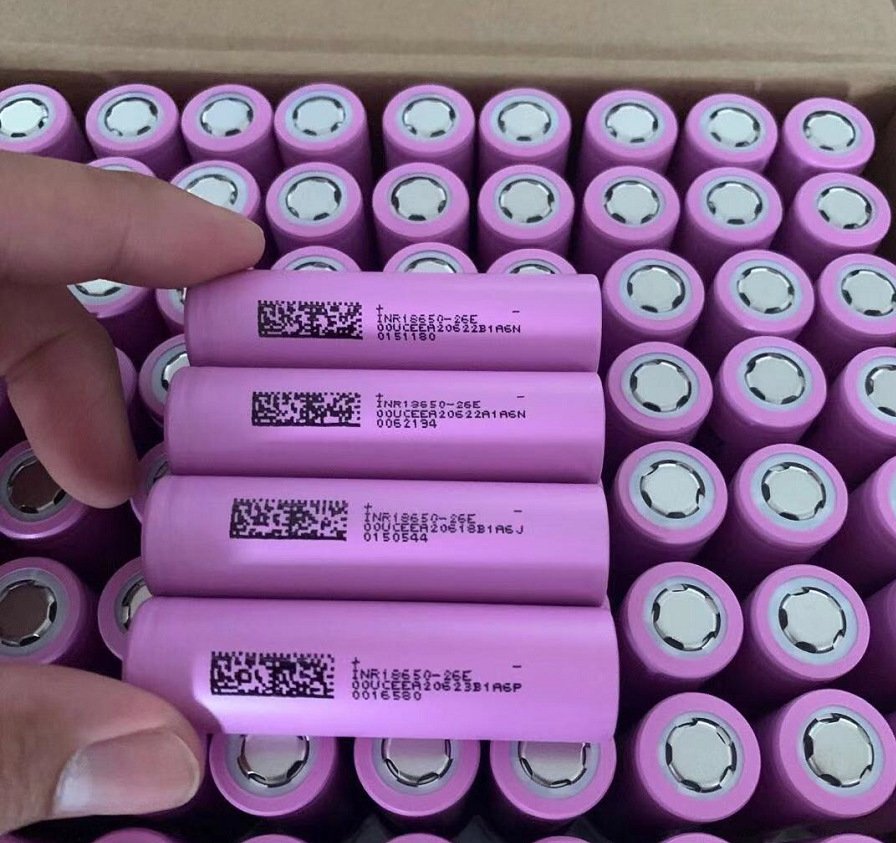
Top 10 Pain Points When Buying Cylindrical Lithium Cells
For B2B purchasers in the energy storage, EV, and consumer electronics sectors, sourcing cylindrical lithium cells represents a critical decision impacting product performance, safety, and long-term profitability. As global battery demand surges—projected to grow 25-31% in 2026—procurement teams face increasing complexity. This article identifies the ten most significant pain points when purchasing cylindrical lithium cells, offering actionable insights for informed decision-making.
1. Inconsistent Quality Across Batches
Quality variance remains the foremost concern. Many suppliers struggle to maintain tight tolerances in capacity, internal resistance, and voltage across production batches. This inconsistency leads to pack imbalance, reduced cycle life, and premature failures. Buyers must demand comprehensive batch testing reports and verify manufacturer quality certifications before committing to large orders.
2. Unclear Technical Specifications
Manufacturers often provide ambiguous or incomplete datasheets. Critical parameters like continuous discharge rates, temperature operating ranges, and cycle life under specific conditions may be omitted or exaggerated. Professional buyers should request detailed specification sheets aligned with IEC and UN standards, ensuring all technical claims are verifiable through third-party testing.
3. Supply Chain Transparency Issues
With supply chain regionalization accelerating, understanding the origin of raw materials and manufacturing processes has become essential. Lack of transparency regarding cobalt sourcing, cell assembly locations, and sub-component suppliers creates compliance risks, particularly for companies serving regulated markets like the EU and North America. Reputable battery manufacturers in China now provide full supply chain documentation to address these concerns.
4. Price Volatility and Hidden Costs
Raw material fluctuations, particularly lithium carbonate prices, create significant pricing uncertainty. Beyond unit cost, buyers often encounter hidden expenses including customs duties, transportation insurance, and warranty claim processing. Long-term supply agreements with price adjustment mechanisms help mitigate these risks while ensuring budget predictability.
5. Limited Customization Options
Standard cell configurations may not meet specific application requirements. Many suppliers lack flexibility in tab positioning, capacity grading, or form factor modifications. Working with manufacturers offering genuine customization capabilities ensures optimal integration into final products without compromising performance or safety margins.
6. Inadequate After-Sales Support
Technical support availability significantly impacts project timelines. Suppliers lacking dedicated engineering support teams create delays during product integration, troubleshooting, and warranty claims. Established manufacturers provide comprehensive after-sales services including failure analysis, application engineering, and rapid response protocols for quality issues.
7. Certification and Compliance Gaps
International markets require multiple certifications including UN38.3, IEC62133, UL1642, and CE marking. Some suppliers claim compliance without valid documentation, creating legal and safety liabilities. Buyers must verify all certifications through official databases and request original test reports before shipment.
8. Lead Time Uncertainty
Production capacity constraints and logistics disruptions frequently extend delivery timelines beyond quoted schedules. This unpredictability complicates inventory planning and product launch schedules. Manufacturers with diversified production facilities and established logistics partnerships offer more reliable delivery commitments with penalty clauses for delays.
9. Counterfeit and Graded Cell Risks
The market contains significant volumes of counterfeit cells and B-grade products sold as A-grade. These cells exhibit inferior performance and safety characteristics, potentially causing catastrophic failures. Purchasing through verified channels and implementing incoming quality inspection protocols protects against these risks. Professional cylindrical battery cell suppliers maintain strict grading standards with full traceability.
10. Technology Obsolescence Concerns
Rapid technological advancement means today’s optimal cell chemistry may become outdated within 18-24 months. Buyers investing in long-term projects face obsolescence risks affecting spare parts availability and future production runs. Selecting manufacturers with clear technology roadmaps and commitment to long-term product support ensures sustainable supply throughout product lifecycles.
Conclusion
Navigating the cylindrical lithium cell procurement landscape requires thorough due diligence across all ten pain points identified above. Successful buyers prioritize supplier verification, demand comprehensive documentation, and establish clear contractual terms protecting their interests. For organizations seeking reliable partnerships with transparent operations and proven track records, exploring established manufacturing partners provides significant advantages. Contact qualified suppliers directly through their official contact channels to initiate detailed discussions about your specific requirements.
By addressing these pain points proactively, B2B purchasers can secure high-quality cylindrical lithium cells that deliver consistent performance, maintain safety standards, and support long-term business objectives in an increasingly competitive global market.