Top 10 Pain Points Buying 21700 Cells from China: A Comprehensive Guide for Technical Procurement
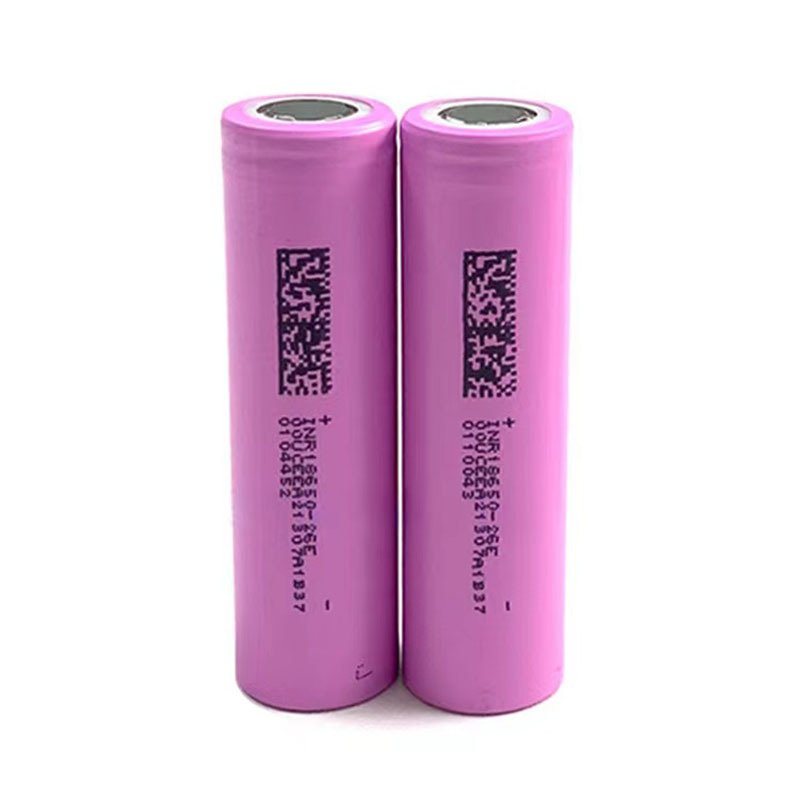
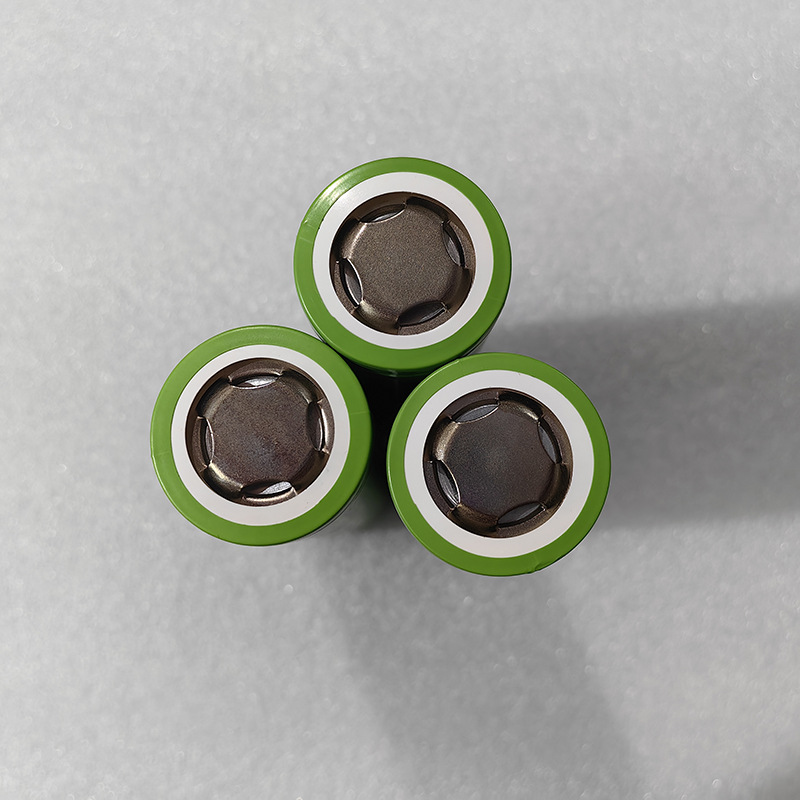
The 21700 lithium-ion cell has emerged as the industry standard for high-energy applications, offering superior volumetric energy density compared to legacy 18650 formats. With dimensions of 21mm diameter and 70mm length, these cylindrical cells deliver approximately 4,800-5,000mAh capacity with NCM chemistry, making them ideal for e-mobility, energy storage systems, and premium consumer electronics. However, sourcing 21700 cells from China presents significant challenges that technical buyers must navigate carefully. This article identifies the top 10 pain points when procuring 21700 cells from Chinese manufacturers.
1. Supplier Verification Complexity
China hosts hundreds of battery manufacturers, but only a fraction maintain consistent quality standards. Many suppliers claim ISO 9001 certification without proper audit trails. Technical procurement teams must verify actual production capabilities, not just marketing materials. Engaging with established battery manufacturers in China requires thorough due diligence on factory certifications, production capacity, and track record.
2. Inconsistent Cell Grading Standards
Unlike Tier-1 manufacturers who implement strict A/B/C grading protocols, many Chinese suppliers use ambiguous classification systems. Grade A cells should maintain capacity variance within ±50mAh and internal resistance below 35mΩ. Without standardized testing protocols, buyers risk receiving mixed-grade shipments that compromise pack performance and longevity.
3. Limited Technical Documentation
Comprehensive datasheets including cycle life curves, impedance spectra, and thermal characteristics are often unavailable. Engineering teams require detailed specifications for BMS calibration and thermal management design. Incomplete documentation forces costly validation testing before production integration.
4. Quality Control Variability
Battery cell manufacturing demands precision in electrode coating, electrolyte filling, and formation cycling. Facilities without automated optical inspection systems produce cells with inconsistent weld quality and seal integrity. This variability manifests as premature capacity fade or safety incidents in field applications.
5. Communication Barriers
Technical specifications require precise interpretation. Language barriers between overseas engineers and Chinese sales teams lead to misunderstandings about discharge rates, operating temperature ranges, and custom packaging requirements. Time zone differences further complicate real-time problem resolution during production runs.
6. Regulatory Compliance Gaps
International shipments must comply with UN3480 dangerous goods regulations, IEC 62133 safety standards, and regional certifications like CE or UL. Many suppliers lack complete documentation packages, causing customs delays or rejection at destination ports. Compliance verification should precede purchase orders.
7. Lead Time Uncertainty
Raw material fluctuations, particularly lithium carbonate pricing volatility, affect production scheduling. Suppliers often provide optimistic delivery estimates without accounting for material procurement cycles. Projects requiring just-in-time inventory face significant disruption risks without buffer stock planning.
8. After-Sales Support Limitations
Technical issues discovered during pack assembly require rapid supplier response. Many manufacturers lack dedicated engineering support teams for international clients. Warranty claims processing can extend beyond acceptable timelines, impacting project schedules and customer satisfaction.
9. Intellectual Property Concerns
Custom cell specifications, including unique tab configurations or modified electrolyte formulations, may lack adequate protection. Buyers should establish clear IP agreements before sharing proprietary requirements with suppliers.
10. Payment and Contract Risks
International transactions involve currency fluctuations, letter of credit complexities, and varying legal frameworks. Without proper contractual safeguards, buyers face risks related to quality disputes, delivery failures, or force majeure events.
Technical Considerations for 21700 Cell Selection
Understanding fundamental lithium-ion chemistry helps mitigate procurement risks. The 21700 format’s larger volume reduces cell count per pack, lowering connection points and improving system reliability. However, thermal management becomes more critical due to increased heat generation per cell. NCM (Nickel-Cobalt-Manganese) chemistry offers higher energy density but requires stricter voltage monitoring compared to LFP alternatives.
For qualified buyers seeking reliable 21700 cell sources, exploring verified cylindrical battery cell suppliers with proven export experience is essential. Establish direct communication channels with potential partners through official contact platforms to request samples, audit reports, and reference customer contacts before committing to volume orders.
Conclusion
Procuring 21700 cells from China offers cost advantages but demands rigorous supplier evaluation, technical validation, and contractual protection. By understanding these 10 pain points, technical procurement professionals can develop comprehensive sourcing strategies that balance cost, quality, and risk mitigation. Investing in thorough due diligence upfront prevents costly failures during production and field deployment.