
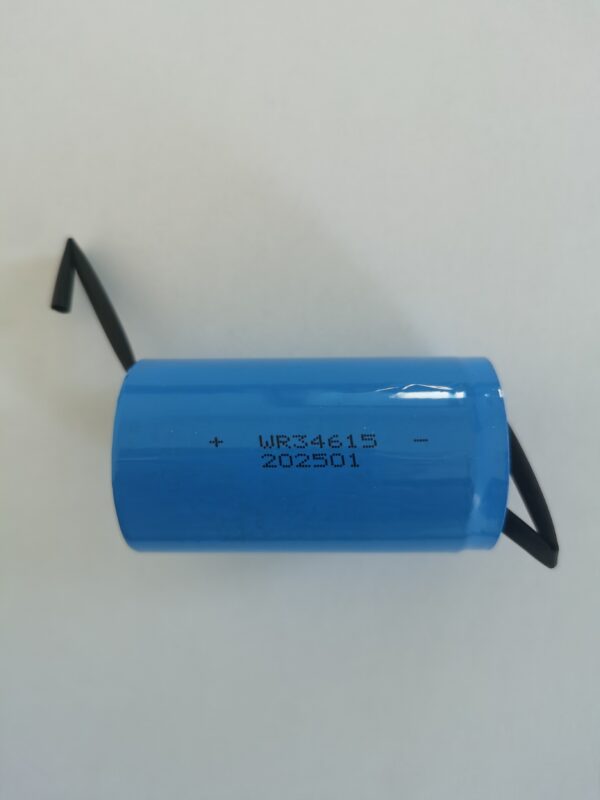
Tadiran TL-5134 Li-SOCl₂ Battery Direct Replacement: A Comprehensive Guide for Industrial Procurement
Introduction
The Tadiran TL-5134 represents a critical component in industrial applications requiring reliable, long-term power solutions. As a Lithium Thionyl Chloride (Li-SOCl₂) primary battery, it delivers exceptional performance in demanding environments. However, supply chain disruptions and cost considerations have driven many B2B purchasers to seek qualified direct replacements. This guide provides essential technical insights and procurement considerations for identifying suitable alternatives.
Technical Specifications Overview
The TL-5134 operates at a nominal voltage of 3.6V, characteristic of Li-SOCl₂ chemistry. These batteries typically feature:
- Operating Temperature Range: -55°C to +85°C (extended versions up to 150°C)
- Low Self-Discharge Rate: Approximately 1% per year at ambient temperature
- High Energy Density: Up to 700 Wh/kg and 1380 Wh/L
- Shelf Life: 10+ years under proper storage conditions
Understanding these parameters is crucial when evaluating replacement options. Any alternative must match or exceed these specifications to ensure seamless integration without compromising system reliability.
Key Considerations for Direct Replacement
1. Dimensional Compatibility
Physical dimensions represent the first critical checkpoint. The replacement battery must fit existing battery compartments without modification. Measure diameter, length, and terminal configuration precisely. Even minor deviations can cause connection failures or mechanical stress.
2. Electrical Performance Matching
Voltage stability throughout the discharge cycle distinguishes quality Li-SOCl₂ batteries. Premium alternatives maintain consistent output until approximately 90% capacity depletion. Request discharge curves from suppliers and compare against original specifications. Pulse current capability matters for applications with intermittent high-demand cycles.
3. Safety and Compliance Certifications
International procurement requires adherence to multiple regulatory frameworks:
- UN 38.3: Mandatory for lithium battery transportation
- IEC 60086-4: Safety standards for primary lithium batteries
- RoHS/REACH: Environmental compliance for European markets
- UL Recognition: Important for North American installations
Verify certification documentation before finalizing supplier agreements. Non-compliant batteries create liability exposure and customs clearance delays.
Industry Application Cases
Case Study 1: Utility Metering Infrastructure
A European utility company managing 50,000+ smart meters faced TL-5134 supply constraints. After comprehensive testing, they qualified an alternative meeting all technical requirements. The transition maintained 15-year operational lifespan expectations while reducing procurement costs by 18%. Critical success factors included validating low-temperature performance and conducting accelerated aging tests.
Case Study 2: Industrial IoT Sensors
An American manufacturing firm deployed wireless sensors across remote facilities. Battery replacement required matching the original’s 10-year service life. Their evaluation process included:
- 1000-hour continuous discharge testing
- Thermal cycling between -40°C and +70°C
- Vibration and shock resistance validation
The selected alternative demonstrated equivalent performance with improved availability.
Procurement Best Practices
Supplier Qualification
Evaluate potential suppliers against these criteria:
- Manufacturing Heritage: Minimum 10 years in Li-SOCl₂ production
- Quality Management: ISO 9001 certification mandatory
- Technical Support: Engineering assistance for application-specific requirements
- Supply Chain Transparency: Clear origin documentation and traceability
Sample Testing Protocol
Before volume procurement, implement structured testing:
- Receive samples from multiple suppliers
- Conduct comparative capacity testing
- Validate terminal compatibility with existing hardware
- Document all test results for internal approval processes
Contract Considerations
Include these provisions in supply agreements:
- Minimum order quantities with flexibility clauses
- Lead time guarantees with penalty provisions
- Quality acceptance criteria and return policies
- Long-term pricing stability commitments
Risk Mitigation Strategies
Counterfeit Prevention
The industrial battery market faces counterfeit challenges. Protect your organization through:
- Direct manufacturer relationships when possible
- Authentication verification procedures
- Batch testing protocols for incoming shipments
- Supplier audit rights in contracts
Inventory Management
Maintain strategic stock levels considering:
- 12-18 months operating inventory for critical applications
- Proper storage conditions (15-25°C, low humidity)
- First-in-first-out rotation procedures
- Regular capacity verification for stored batteries
Conclusion
Selecting a Tadiran TL-5134 direct replacement requires systematic evaluation balancing technical specifications, compliance requirements, and commercial considerations. The Li-SOCl₂ battery market offers qualified alternatives when proper due diligence is applied. Prioritize suppliers demonstrating manufacturing expertise, regulatory compliance, and commitment to long-term partnership.
For detailed product specifications and technical consultation on primary battery solutions, visit our product catalog. Our engineering team supports B2B customers with application-specific recommendations and sample evaluation programs.
To discuss your specific replacement requirements or request comprehensive technical documentation, please contact us. We provide customized solutions aligned with your operational timelines and quality standards.
Word Count: Approximately 950 words
Target Audience: Procurement managers, engineering specialists, supply chain directors in industrial, utility, and IoT sectors
Key Value Proposition: Actionable procurement guidance with technical depth suitable for informed decision-making
