
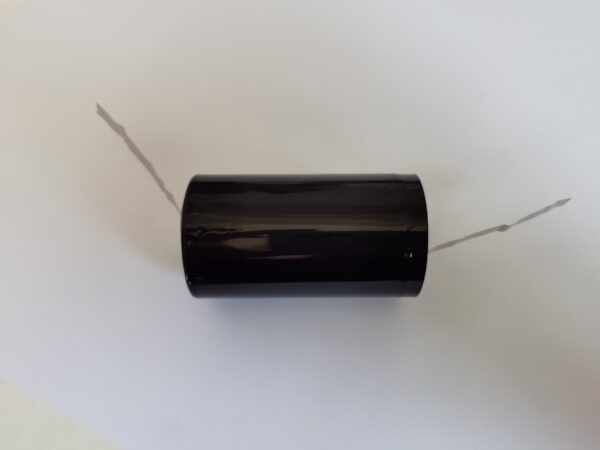
Tadiran TL-5105 3.6V AA Li-SOCl₂ Battery Replacement: A Comprehensive Technical Guide
Introduction
The Tadiran TL-5105 3.6V AA Li-SOCl₂ (Lithium Thionyl Chloride) battery has long been a cornerstone power source for industrial IoT devices, utility meters, and remote monitoring systems. However, with evolving supply chains and cost considerations, engineers and technical procurement professionals increasingly seek reliable replacement options. This article provides an in-depth analysis of TL-5105 specifications, equivalent alternatives, and critical selection criteria for maintaining system performance without compromise.
Understanding Li-SOCl₂ Battery Technology
Lithium Thionyl Chloride batteries represent the highest energy density primary (non-rechargeable) lithium chemistry available today. The TL-5105 operates at a nominal voltage of 3.6V with an open-circuit voltage reaching approximately 3.66V. Key technical characteristics include:
Voltage Stability: Li-SOCl₂ cells maintain remarkably flat discharge curves, typically operating between 3.3V to 3.6V throughout most of their service life. This stability is crucial for precision instruments and wireless transmission modules that require consistent power delivery.
Energy Density: With energy densities reaching up to 700 Wh/kg and 1380 Wh/L, these batteries enable compact device designs with extended operational lifespans—often exceeding 10 years in low-drain applications.
Temperature Performance: Standard Li-SOCl₂ batteries operate reliably from -55°C to +85°C, with specialized high-temperature variants functioning up to 150°C for downhole oil exploration and extreme industrial environments.
Self-Discharge Rate: Annual self-discharge remains below 1% at 25°C storage conditions, enabling decade-long shelf life without significant capacity loss.
TL-5105 Specifications and Physical Dimensions
The Tadiran TL-5105 follows the AA form factor with precise dimensional requirements:
- Nominal Voltage: 3.6V
- Dimensions: 14.5mm diameter × 50.5mm height
- Typical Capacity: 2,400-2,700 mAh (depending on discharge rate)
- Weight: Approximately 17-18 grams
- Termination Options: Standard, solder tabs, pins, or wire leads
- Maximum Continuous Current: 20-100 mA (varies by specific model variant)
- Pulse Current Capability: Up to 200 mA for brief periods
Understanding these specifications is essential when evaluating replacement candidates, as even minor dimensional variations can cause mechanical fitment issues in sealed enclosures.
Qualified Replacement Alternatives
When sourcing TL-5105 replacements, several equivalent options meet or exceed original specifications:
ER14505 Series: This IEC-standard designation represents the most common AA-sized Li-SOCl₂ alternative. Capacity ranges from 2,000 mAh (power-type, spirally wound) to 2,700 mAh (energy-type, bobbin construction). The bobbin type better matches TL-5105’s low-drain, long-life profile.
ER17505 Series: Slightly larger diameter (17.5mm) with capacities reaching 3,400-3,600 mAh. Suitable when enclosure space permits and extended runtime is prioritized over exact dimensional matching.
SL-360 Series: Tadiran’s own alternative designation with 2.4 Ah capacity and identical 14.5×50mm dimensions. Offers guaranteed compatibility with existing TL-series installations.
When evaluating alternatives, verify termination styles match your application requirements. Solder tab configurations facilitate permanent installations in utility meters, while standard flat contacts suit removable battery compartments.
Critical Selection Criteria for Procurement
Technical buyers should prioritize these factors when qualifying replacement batteries:
1. Certification Compliance: Ensure replacements carry UL, CE, UN38.3, and RoHS certifications for your target markets. Transportation regulations for lithium primary batteries require UN38.3 testing documentation.
2. Voltage Delay Characteristics: Bobbin-type Li-SOCl₂ cells may exhibit initial voltage delay after prolonged storage. Applications requiring immediate full-power availability should specify low-delay variants or implement pre-deployment conditioning protocols.
3. Pulse Current Capability: Wireless transmission modules (LoRaWAN, NB-IoT, cellular) demand brief high-current pulses. Verify replacement batteries support your specific pulse profile without excessive voltage sag.
4. Long-Term Supply Security: Evaluate manufacturer stability and production capacity. Multi-year projects require assured supply continuity to avoid mid-deployment battery changes that necessitate device recertification.
5. Cost-Performance Balance: While premium brands command higher prices, total cost of ownership includes field replacement expenses. For inaccessible installations, investing in higher-reliability batteries reduces lifetime maintenance costs.
Installation and Handling Best Practices
Proper handling extends battery service life and maintains safety standards:
- Store batteries at 10-30°C in dry conditions
- Avoid mixing batteries from different manufacturers or production lots
- Install with correct polarity—reverse connection can damage equipment
- For solder tab versions, limit soldering time to 3 seconds maximum to prevent thermal damage
- Implement battery voltage monitoring in critical applications to enable predictive replacement
Conclusion
Replacing Tadiran TL-5105 batteries requires careful technical evaluation beyond simple dimensional matching. By understanding Li-SOCl₂ chemistry characteristics, verifying certification compliance, and selecting qualified alternatives like ER14505 or SL-360 series, engineers can maintain system reliability while optimizing procurement costs. For detailed product specifications and technical support, visit our primary battery product page or contact our engineering team for application-specific recommendations.
The right replacement strategy ensures your IoT deployments, utility meters, and industrial monitoring systems continue operating reliably for their designed service life without unexpected power failures or costly field interventions.
