
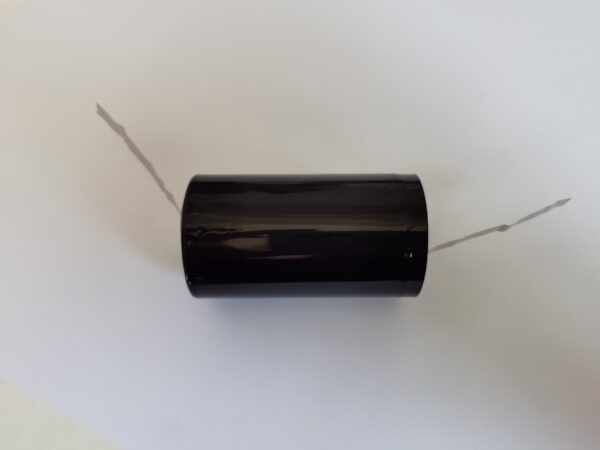
Tadiran TL-2300 3.6V AA Li-SOCl₂ Battery Replacement
For industrial procurement specialists, maintenance engineers, and OEM decision-makers globally, finding a reliable Tadiran TL-2300 3.6V AA Li-SOCl₂ battery replacement is critical for ensuring uninterrupted operation of mission-critical devices. Lithium thionyl chloride (Li-SOCl₂) primary batteries remain the gold standard for long-life, low-drain applications ranging from utility metering to IoT sensors. This article provides a professional technical overview for B2B stakeholders evaluating replacement options.
Understanding TL-2300 Technical Specifications
The Tadiran TL-2300 belongs to the renowned TL Series, featuring a nominal voltage of 3.6V and utilizing lithium thionyl chloride chemistry. Key specifications include:
- Chemical System: Li-SOCl₂ (Lithium Thionyl Chloride)
- Nominal Capacity: 1.45Ah (standard AA configuration)
- Operating Temperature: -55°C to +85°C
- Shelf Life: Up to 10 years with minimal self-discharge
- Terminal Types: Available with solder tabs, pin contacts, or button top configurations
This bobbin-type construction enables exceptional energy density while maintaining stable voltage output throughout the discharge cycle. The passive layer formation on the lithium anode contributes to ultra-low self-discharge rates (approximately 1% per year), making it ideal for devices requiring decade-long deployment without maintenance.
Critical Replacement Considerations
When sourcing a TL-2300 equivalent, B2B buyers must evaluate several technical parameters beyond basic dimensions:
1. Capacity Matching: Ensure the replacement cell meets or exceeds the original 1.45Ah rating. Under-capacity alternatives may compromise device runtime, particularly in remote monitoring applications where battery replacement is logistically challenging.
2. Pulse Current Capability: While Li-SOCl₂ batteries excel in low-drain scenarios (typically 0.1-2mA continuous), some applications require periodic high-current pulses for data transmission. Verify the replacement supports your specific pulse profile without significant voltage depression.
3. Safety Certifications: For global deployment, confirm compliance with UN 38.3, IEC 60086-4, and relevant regional standards. Proper documentation streamlines customs clearance and reduces liability exposure.
4. Terminal Compatibility: Mismatched terminal configurations can necessitate costly redesigns. Specify exact termination requirements (solder tabs, wire leads, or press-fit contacts) during procurement.
Application-Specific Replacement Scenarios
The TL-2300 serves diverse industrial sectors. Common replacement contexts include:
- Utility Metering: Water, gas, and electricity meters deployed in fixed infrastructure require batteries lasting 10-15 years. Replacement cells must match original performance to avoid premature field failures.
- Industrial IoT Sensors: Wireless sensors in manufacturing, agriculture, and logistics depend on consistent voltage for reliable data transmission. Temperature extremes in these environments demand robust cell chemistry.
- Medical Devices: Portable diagnostic equipment and implantable monitors require batteries with proven safety records and traceable manufacturing quality.
- Security Systems: Remote alarm panels and access control units operate unattended for extended periods, making battery reliability paramount.
Selecting a Qualified Primary Battery Supplier
Partnering with an experienced primary battery manufacturer ensures consistent quality and technical support throughout your product lifecycle. Reputable suppliers offer:
- Customized terminal configurations
- Batch traceability and quality documentation
- Technical consultation for application optimization
- Competitive pricing for volume procurement
For comprehensive product specifications and technical consultation on Li-SOCl₂ battery solutions, explore our primary battery product portfolio. Our engineering team supports B2B clients with application-specific recommendations and compliance documentation.
Quality Assurance and Supply Chain Reliability
Beyond technical specifications, supply chain stability matters significantly for long-term projects. Evaluate potential suppliers on:
- Manufacturing capacity and lead times
- Quality management certifications (ISO 9001, IATF 16949)
- Raw material sourcing transparency
- After-sales technical support availability
Request sample cells for validation testing before committing to volume orders. Comprehensive testing should include capacity verification, discharge curve analysis, and environmental stress screening aligned with your application requirements.
Conclusion
Replacing Tadiran TL-2300 3.6V AA Li-SOCl₂ batteries requires careful technical evaluation to ensure compatibility and performance parity. By understanding key specifications, application demands, and supplier qualifications, procurement professionals can make informed decisions that protect device reliability and minimize total cost of ownership.
For detailed technical discussions, customization inquiries, or volume pricing information, contact our primary battery specialists at https://cnsbattery.com/primary-battery-contact-us/. Our team provides comprehensive support for global B2B clients seeking reliable lithium primary battery solutions.
This article serves as a technical reference for procurement professionals and engineering teams evaluating Li-SOCl₂ battery replacements. Always consult manufacturer datasheets and conduct application-specific validation before deployment.
