
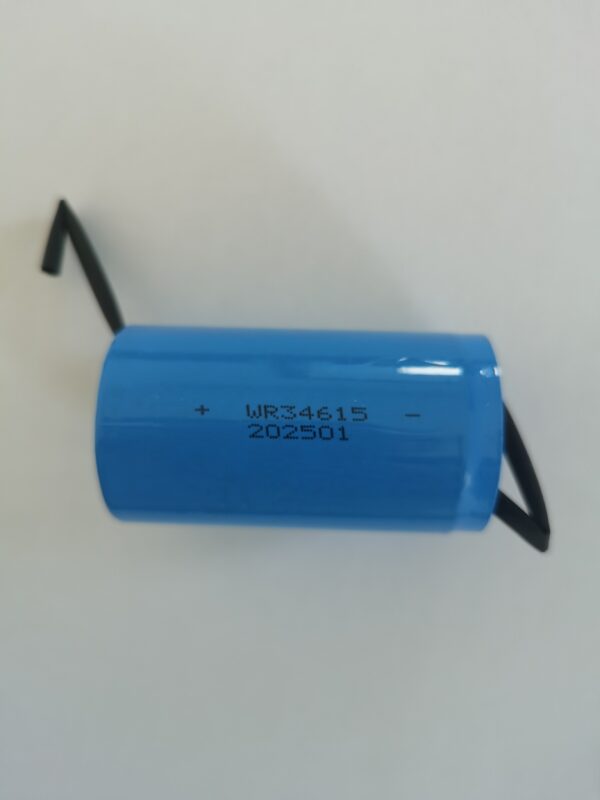
Strategic Replacement Guide for Tadiran TL-2155 3.6V 1/2 AA Li-SOCl₂ Batteries
In the industrial IoT, utility metering, and security sectors, power reliability is not merely a feature—it is the foundation of system integrity. The Tadiran TL-2155 3.6V 1/2 AA Li-SOCl₂ battery has long been a benchmark for long-life, low-current applications. However, as supply chains evolve and project lifecycles extend beyond a decade, procurement managers and design engineers face a critical question: how to secure a sustainable replacement strategy without compromising performance or compliance.
Understanding the Technical Baseline
Before evaluating alternatives, it is essential to define the technical parameters that make the TL-2155 suitable for harsh environments. This battery utilizes Lithium Thionyl Chloride (Li-SOCl₂) chemistry, offering a nominal voltage of 3.6V and a typical capacity ranging between 900mAh and 1200mAh, depending on the specific terminal configuration (e.g., soldering tabs or pins).
Key technical attributes include:
- Voltage Stability: Maintains a flat discharge curve until end-of-life, crucial for memory backup and sensor transmission.
- Temperature Range: Operates effectively from -55°C to +85°C, making it ideal for outdoor utility meters or automotive tracking.
- Self-Discharge Rate: Less than 1% per year, enabling a shelf life of up to 10 years.
When seeking a replacement, deviations in these core specs can lead to premature device failure. For instance, a substitute with higher internal impedance may fail during high-current pulses required for GSM/LTE communication bursts.
Critical Replacement Criteria for B2B Procurement
Replacing a legacy component like the TL-2155 requires more than matching dimensions. B2B buyers must prioritize three pillars: Compatibility, Compliance, and Continuity.
1. Physical and Electrical Compatibility
The 1/2 AA form factor (approximately 14.5mm diameter x 25mm height) is standard, but terminal types vary. The TL-2155 often comes with specific soldering tabs (TP series) or axial leads. A direct replacement must match not only the size but also the terminal material and position to avoid redesigning the PCB. Furthermore, the voltage cut-off point of the device must be compatible with the Li-SOCl₂ discharge profile. Some cheaper alternatives may exhibit voltage delay upon initial load, which can trigger false low-battery alarms in sensitive electronics.
2. Regulatory Compliance and Safety
In 2026, global regulatory scrutiny on lithium batteries is stricter than ever. Any replacement must carry valid UN38.3 certification for transportation, ensuring safe air and sea freight. Additionally, compliance with IEC 60086-4 and RoHS directives is non-negotiable for markets in the EU and North America. Procurement teams should request test reports upfront. Lack of proper documentation can lead to customs seizures or liability issues in the event of a field failure.
3. Supply Chain Continuity
Relying on a single brand poses risks. Geopolitical shifts or production line changes can disrupt availability. A robust strategy involves qualifying a secondary supplier who manufactures cells with consistent quality. Long-term availability guarantees (5-10 years) should be part of the supplier agreement.
Case Study: Smart Water Metering Deployment
Consider a utility company deploying 50,000 smart water meters expected to last 12 years. Initially designed with Tadiran TL-2155 cells, the project faced potential delays due to extended lead times. The engineering team evaluated a compatible Li-SOCl₂ alternative from a specialized primary battery manufacturer.
The validation process included:
- Pulse Testing: Simulating monthly data transmission bursts to verify voltage recovery.
- Thermal Cycling: Testing performance at -40°C to ensure winter reliability.
- Storage Simulation: Accelerated aging tests to confirm the 1% annual self-discharge claim.
The selected replacement matched the TL-2155’s performance profile while offering a more flexible MOQ and localized support. This transition ensured the project remained on schedule without sacrificing the 10-year operational lifespan.
Procurement Best Practices
When sourcing replacements, avoid generic consumer-grade listings. Industrial applications demand industrial-grade cells.
- Request Samples: Never bulk order without testing samples under actual load conditions.
- Verify Manufacturing Date: Li-SOCl₂ batteries age even on the shelf. Ensure fresh production dates to maximize service life.
- Audit the Supplier: Choose partners with a proven track record in primary lithium technology.
For organizations seeking verified alternatives that meet these rigorous standards, exploring dedicated industrial battery portfolios is essential. You can review comprehensive specifications and compliance documentation at https://cnsbattery.com/primary-battery/.
Conclusion
The transition away from a specific legacy part number like the Tadiran TL-2155 should be driven by data, not just cost. By focusing on chemical consistency, regulatory compliance, and supply chain resilience, B2B buyers can secure power solutions that sustain their devices for the long haul. Whether for medical devices, security systems, or IoT sensors, the right battery partner ensures your technology remains powered without interruption.
For technical consultations or to discuss custom battery solutions tailored to your replacement needs, contact our specialist team directly at https://cnsbattery.com/primary-battery-contact-us/. Ensuring power continuity is a strategic decision—make it with precision.
