
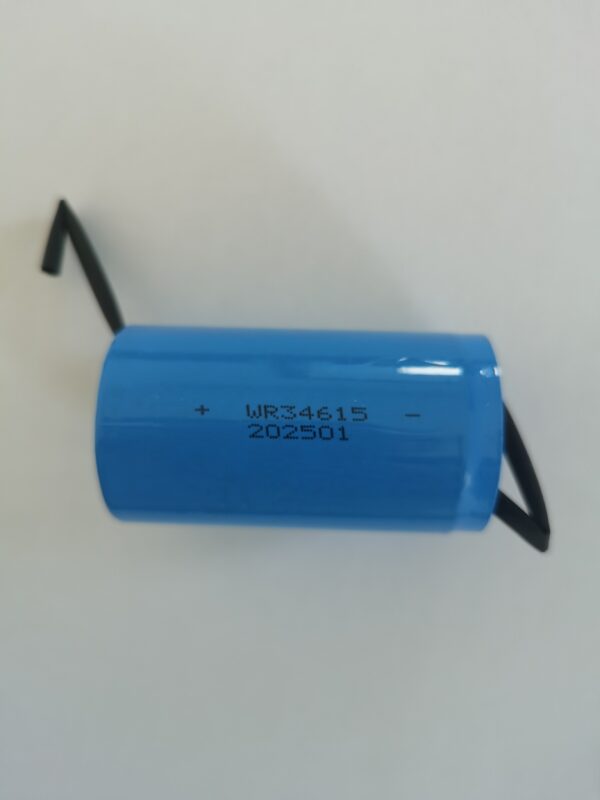
Tadiran SL-760/T 3.6V AA Li-SOCl₂ Battery Alternative: A Comprehensive Technical Guide
For engineers and technical procurement specialists managing long-life industrial applications, finding a reliable alternative to the Tadiran SL-760/T 3.6V AA Li-SOCl₂ battery is a critical decision. This lithium thionyl chloride battery has been the industry standard for decades, powering everything from PLC controllers to remote IoT sensors. However, supply chain considerations, cost optimization, and performance requirements often necessitate exploring qualified alternatives without compromising on reliability or technical specifications.
Understanding the SL-760/T Technical Specifications
The Tadiran SL-760/T is a primary lithium thionyl chloride (Li-SOCl₂) battery with the following key specifications:
- Nominal Voltage: 3.6V
- Nominal Capacity: 2.2 Ah (AA size)
- Operating Temperature Range: -55°C to +85°C
- Maximum Continuous Current: 60 mA
- Dimensions: 14.5 × 50 mm
- Self-Discharge Rate: Less than 1% per year
Li-SOCl₂ chemistry offers the highest energy density among practical primary battery systems, reaching up to 590 Wh/kg. This makes it ideal for applications requiring extended service life in challenging environments where battery replacement is impractical or costly.
Key Considerations When Selecting an Alternative
1. Chemistry Compatibility
Any alternative must utilize the same Li-SOCl₂ chemistry to ensure comparable voltage profiles, energy density, and temperature performance. Substituting with different lithium chemistries (such as Li-MnO₂) would result in different discharge characteristics and may not meet application requirements.
2. Capacity and Discharge Characteristics
The 2.2 Ah capacity of the SL-760/T is optimized for low-to-moderate current drain applications. When evaluating alternatives, verify that the capacity rating matches under similar discharge conditions. Some manufacturers rate capacity at different discharge rates, which can lead to misleading comparisons.
3. Temperature Performance
Industrial applications often operate in extreme environments. A qualified alternative must maintain performance across the -55°C to +85°C range. Pay special attention to voltage lag characteristics after high-temperature storage followed by low-temperature discharge, a known consideration with Li-SOCl₂ technology.
4. Safety and Certifications
Ensure any alternative meets international safety standards including RoHS, WEEE, and REACH compliance. For hazardous location applications, verify ATEX or UL certifications as required by your specific use case.
Technical Advantages of Quality Li-SOCl₂ Alternatives
Premium Li-SOCl₂ batteries feature bobbin-type construction for superior long-term stability and low self-discharge. This construction method enables service life exceeding 20-40 years in appropriate applications. The passivation layer that forms on the lithium anode provides excellent shelf life but requires consideration for applications with high initial current demands.
For technical procurement teams evaluating long-term supply chain security, working with established manufacturers who maintain consistent quality control is essential. Performance consistency across production batches ensures predictable behavior in deployed equipment.
Application-Specific Recommendations
Utility Metering: AMR/AMI systems benefit from the extended life and temperature stability of Li-SOCl₂ technology. Alternatives should match the original’s low self-discharge characteristics to maintain 15-20 year service expectations.
Industrial IoT Sensors: Remote monitoring equipment in oil & gas, agriculture, or infrastructure applications requires batteries that perform reliably across temperature extremes. Verify pulse current capability if your application includes periodic transmission bursts.
PLC Backup Power: Programmable logic controller memory backup demands stable voltage throughout discharge. Alternatives must maintain voltage above the minimum threshold for the entire service life.
Medical Devices: Portable medical equipment requires batteries with proven reliability and traceable manufacturing quality. Documentation and lot tracking become critical selection criteria.
Supply Chain and Procurement Strategy
When transitioning to an alternative supplier, implement a qualification protocol including:
- Sample Testing: Conduct accelerated life testing and capacity verification under actual load conditions
- Batch Consistency: Request multiple production lots to verify manufacturing consistency
- Documentation Review: Ensure complete technical data sheets, safety certifications, and traceability documentation
- Long-term Availability: Confirm the manufacturer’s commitment to maintaining the product line for your projected equipment lifecycle
For detailed technical specifications and qualified alternative options, explore our comprehensive primary battery product range. Our engineering team can assist with cross-reference analysis and application-specific recommendations.
Conclusion
Selecting an alternative to the Tadiran SL-760/T requires careful technical evaluation beyond simple capacity matching. Understanding Li-SOCl₂ chemistry characteristics, application requirements, and manufacturer capabilities ensures successful implementation without compromising system reliability. The right alternative can provide equivalent or superior performance while improving supply chain resilience and total cost of ownership.
For technical consultation and procurement support regarding Li-SOCl₂ battery alternatives, contact our engineering team for application-specific guidance and qualification assistance.
This technical guide is intended for engineering and procurement professionals evaluating primary lithium battery solutions for industrial applications. Always conduct application-specific testing before deploying alternative battery sources in critical systems.
