
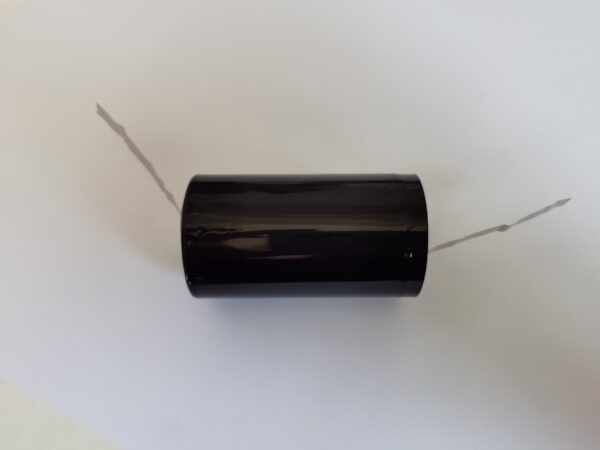
Finding a Reliable Tadiran SL-750/T/S 3.6V 4/5 AA Li-SOCl₂ Battery Alternative
In the realm of industrial power solutions, the Tadiran SL-750/T/S 3.6V 4/5 AA Li-SOCl₂ battery has long been established as a benchmark for reliability. Engineers and procurement specialists frequently specify this component for long-life applications ranging from utility metering to remote telemetry units. However, global supply chain dynamics and cost optimization strategies often necessitate the evaluation of qualified alternatives. This article provides a technical analysis of the SL-750/T/S specifications, explores the underlying Lithium Thionyl Chloride (Li-SOCl₂) chemistry, and outlines the critical criteria for selecting a high-performance replacement.
Understanding the Tadiran SL-750/T/S Specifications
The Tadiran SL-750/T/S is a primary lithium battery characterized by its nominal voltage of 3.6V and its 4/5 AA form factor. The suffix “T/S” typically indicates terminal configurations suitable for soldering or tab welding, making it ideal for embedded systems where user replacement is not intended. Key performance metrics for this class of battery include a high energy density, typically exceeding 2.0 Ah depending on the specific discharge profile, and an extremely low self-discharge rate of less than 1% per year.
When seeking an alternative, it is not sufficient to match physical dimensions alone. The replacement must replicate the voltage stability under load and the operational temperature range, which for premium Li-SOCl₂ cells often spans from -55°C to +85°C. Deviations in internal impedance can lead to voltage delay, a phenomenon where the battery voltage temporarily drops upon initial load application due to the passivation layer on the lithium anode.
The Science of Li-SOCl₂ Chemistry
To evaluate alternatives effectively, one must understand the electrochemical foundation. Lithium Thionyl Chloride batteries utilize a liquid cathode system where thionyl chloride (SOCl₂) serves as both the cathode active material and the solvent for the electrolyte. The anode consists of high-purity lithium metal.
The reaction proceeds as follows:
4Li + 2SOCl₂ → 4LiCl + S + SO₂
This chemistry yields several distinct advantages critical for B2B applications:
- High Voltage: The open-circuit voltage is approximately 3.67V, stabilizing quickly to 3.6V under load.
- Energy Density: Li-SOCl₂ offers the highest energy density among commercial primary batteries, crucial for space-constrained IoT devices.
- Passivation: A thin film of Lithium Chloride (LiCl) forms on the anode, preventing corrosion and enabling shelf lives of up to 10 years. However, this passivation layer must be managed carefully in alternative cells to prevent excessive voltage delay during pulse transmission.
Critical Selection Criteria for Alternatives
When transitioning from a legacy Tadiran specification to a new supplier, technical procurement teams should focus on four core parameters to ensure system integrity.
1. Capacity and Discharge Profiles
The 4/5 AA size imposes physical limits on capacity. A viable alternative must guarantee capacity ratings that match the original equipment manufacturer (OEM) requirements under specific load conditions. Continuous low-current discharge differs significantly from high-pulse applications. Engineers should request discharge curves at various temperatures and load currents to verify performance parity.
2. Voltage Delay and Passivation Control
As mentioned, the LiCl passivation layer is a double-edged sword. While it preserves shelf life, excessive passivation can cause a temporary voltage drop that may reset microcontrollers. High-quality alternatives employ electrolyte additives or modified cathode structures to balance shelf life with immediate voltage response. This is particularly vital for alarm systems and metering devices that wake up intermittently to transmit data.
3. Safety and Certifications
Industrial batteries must comply with international safety standards. Look for alternatives that hold UL, CE, and UN38.3 certifications. Safety vents are essential to prevent rupture in the event of external short circuits or exposure to extreme heat. For a comprehensive range of certified primary cells, engineers can review available options at https://cnsbattery.com/primary-battery/.
4. Supply Chain Stability
Reliability extends beyond the cell chemistry to the manufacturer’s ability to deliver. Long-term availability is crucial for products with lifecycles exceeding five years. Partnering with suppliers who maintain consistent raw material sourcing ensures that the alternative remains available throughout the product’s lifespan.
Application Scenarios and Compatibility
The Tadiran SL-750/T/S is commonly deployed in:
- Smart Metering: Water, gas, and electricity meters requiring 10+ year operation.
- IoT Sensors: Environmental monitoring nodes in remote locations.
- Military and Aerospace: Equipment subjected to extreme thermal cycling.
- Security Systems: Backup power for alarms and access control.
In these scenarios, the alternative battery must demonstrate consistent performance across the entire operational temperature range. For instance, in cold chain logistics monitoring, the battery must maintain voltage above the device cutoff threshold even at -40°C.
Conclusion
Identifying a suitable alternative for the Tadiran SL-750/T/S 3.6V 4/5 AA Li-SOCl₂ battery requires a rigorous technical approach. It is not merely about finding a cell that fits the holder; it is about ensuring electrochemical compatibility, safety compliance, and long-term supply security. By understanding the nuances of Li-SOCl₂ technology and prioritizing key performance indicators such as voltage delay and capacity under load, engineers can mitigate risk while optimizing costs.
For technical teams evaluating specific cross-references or requiring custom battery packs based on this chemistry, direct consultation with the manufacturer is recommended. To discuss specific technical requirements or request samples, please visit https://cnsbattery.com/primary-battery-contact-us/. Selecting the right power source is a strategic decision that impacts the reliability of the entire device, making due diligence in the selection process paramount for successful product deployment.
