
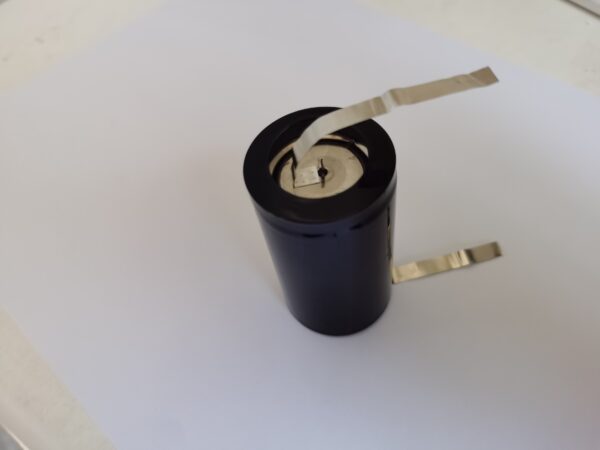
Securing Long-Term Power: A Strategic Guide to Tadiran SL-570/T/S 3.6V 4/5 AA Li-SOCl₂ Battery Alternatives
In the realm of industrial IoT, utility metering, and security systems, power reliability is not merely a feature—it is the foundation of operational integrity. For decades, the Tadiran SL-570/T/S 3.6V 4/5 AA Li-SOCl₂ (Lithium Thionyl Chloride) battery has been a gold standard for these applications. Known for its exceptional energy density and longevity, it powers devices where battery replacement is costly or logistically challenging. However, in the current supply chain landscape of 2026, procurement managers and engineers are increasingly evaluating qualified alternatives to mitigate risks associated with single-source dependency, cost volatility, and lead times.
This article provides a technical and practical framework for sourcing high-performance alternatives to the Tadiran SL-570/T/S, ensuring your devices maintain their performance standards without compromise.
Understanding the Core Specifications
To identify a viable alternative, one must first understand the technical baseline of the original equipment. The Tadiran SL-570/T/S is a primary lithium battery utilizing Lithium Thionyl Chloride chemistry. Key specifications typically include:
- Nominal Voltage: 3.6V
- Form Factor: 4/5 AA (Approx. 14.5mm diameter × 40.0mm length)
- Chemistry: Li-SOCl₂ (Bobbin type usually for low current, high capacity)
- Capacity: Typically ranges between 1.8Ah to 2.4Ah depending on the specific discharge rate and termination voltage.
- Operating Temperature: -55°C to +85°C (some variants up to 125°C)
- Self-Discharge: Less than 1% per year at ambient temperature.
The “T/S” designation often refers to specific terminal types, such as soldering tabs or wire leads, which are critical for automated assembly lines. Any alternative must match not only the electrical characteristics but also the mechanical interface to avoid redesigning the battery compartment or PCB layout.
Why Consider an Alternative?
While Tadiran batteries offer premium quality, relying solely on one brand presents risks. Global logistics disruptions, price fluctuations in raw lithium materials, and varying lead times can impact production schedules. A qualified alternative offers:
- Supply Chain Resilience: Diversifying suppliers ensures continuity if one source faces delays.
- Cost Optimization: High-quality alternatives often provide comparable performance at a more competitive price point, improving overall BOM (Bill of Materials) efficiency.
- Customization Flexibility: Some manufacturers offer more agile customization options for terminal configurations or pack assemblies.
Key Criteria for Selecting a Replacement
When evaluating a replacement for the SL-570/T/S, technical due diligence is paramount. Do not simply compare capacity numbers on a datasheet. Focus on these critical areas:
1. Voltage Stability Under Load
Li-SOCl₂ batteries are known for their flat discharge curve. However, inferior cells may exhibit voltage delay or significant drops under pulse loads. Ensure the alternative can handle the specific current profile of your device, especially if it involves periodic data transmission (e.g., NB-IoT or LoRaWAN modules).
2. Compliance and Safety Certifications
For overseas markets, compliance is non-negotiable. Verify that the alternative battery holds valid certifications such as:
- UN38.3: Mandatory for the transportation of lithium batteries.
- IEC 60086-4: Safety standards for primary lithium batteries.
- RoHS & REACH: Ensuring environmental compliance for European and global markets.
- UL Recognition: Often required for insurance and safety validation in North America.
3. Long-Term Reliability Data
Request accelerated life testing data. A reputable manufacturer should provide evidence of performance after 10+ years of storage or simulated operation. The self-discharge rate is critical; a higher rate could render devices useless before they are even deployed.
Application Case Studies
Smart Metering: In water and gas metering, devices are expected to last 10 to 15 years. A 4/5 AA Li-SOCl₂ cell is often the only form factor that fits the compact housing while providing sufficient energy. An alternative must guarantee no leakage over this extended period, as fluid damage would destroy the meter’s electronics.
Asset Tracking: For GPS trackers used in logistics, the battery must withstand temperature extremes during shipping and operation. The 3.6V nominal voltage is ideal for powering low-power wireless modules efficiently. Switching to a verified alternative here can reduce unit costs significantly when scaling to thousands of assets.
Procurement Best Practices
When engaging with a new supplier, adopt a phased approach:
- Sample Testing: Always conduct real-world testing with samples before committing to mass production. Test under worst-case temperature and load conditions.
- Audit the Supply Chain: Understand where the cells are manufactured. Consistency in quality control is vital.
- Long-Term Availability: Confirm that the specific model will remain in production for the lifecycle of your product. Obsolescence is a hidden cost.
Partnering for Power Solutions
Finding a balance between cost, quality, and reliability requires a partner who understands the nuances of primary lithium technology. Whether you are looking for a direct drop-in replacement for the Tadiran SL-570/T/S or a customized battery pack solution, technical support and transparent communication are key.
For detailed specifications on compatible 3.6V Li-SOCl₂ cells and to discuss your specific project requirements, explore our comprehensive range of primary batteries. We offer solutions designed to meet international compliance standards and deliver consistent performance in demanding environments.
Visit our product page to review technical datasheets and available chemistries: https://cnsbattery.com/primary-battery/
If you have specific questions regarding cross-referencing, terminal customization, or bulk procurement, our engineering team is ready to assist. Reach out to us directly to start the qualification process: https://cnsbattery.com/primary-battery-contact-us/
Conclusion
The transition from a legacy brand like Tadiran to a qualified alternative is a strategic move that can enhance supply chain robustness and cost efficiency. However, it must be executed with rigorous technical validation. By focusing on voltage stability, compliance, and long-term reliability data, B2B buyers can secure a power source that matches the high standards of the SL-570/T/S. In 2026, the goal is not just to replace a battery, but to future-proof your device’s power infrastructure.
