
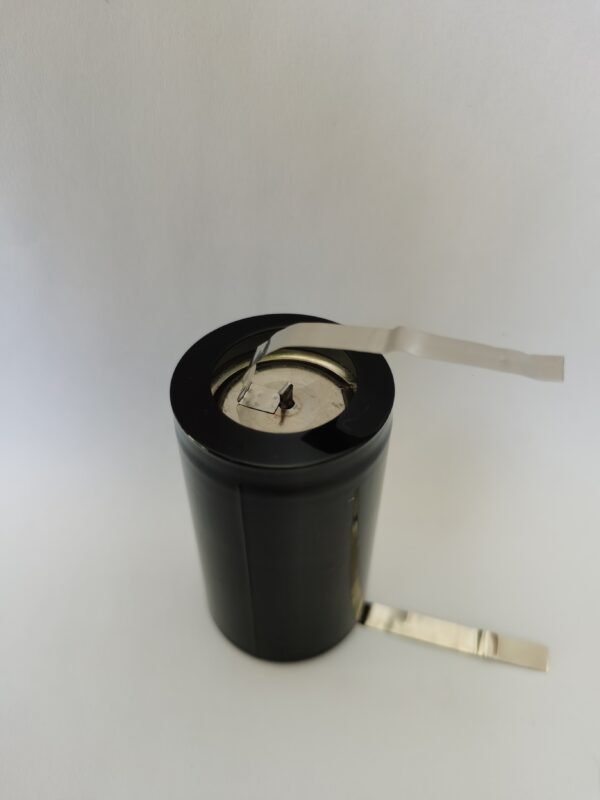
Strategic Replacement Guide: Tadiran SL-570/S Li-SOCl₂ Battery for NB-IoT Deployments
In the rapidly evolving landscape of Industrial Internet of Things (IIoT), power reliability is the cornerstone of operational continuity. Narrowband IoT (NB-IoT) devices, deployed in everything from smart utility metering to remote asset tracking, demand energy sources that combine longevity with stability. For many engineers and procurement specialists, the Tadiran SL-570/S Lithium Thionyl Chloride (Li-SOCl₂) battery has long served as a benchmark for performance. However, supply chain volatility and cost optimization strategies often necessitate qualified replacements. This article provides a technical framework for identifying compatible alternatives without compromising device integrity or compliance.
Understanding the Power Profile: Li-SOCl₂ Chemistry in NB-IoT
The Tadiran SL-570/S utilizes Lithium Thionyl Chloride chemistry, known for its exceptional energy density and low self-discharge rate—typically less than 1% per year. This chemistry is uniquely suited for NB-IoT applications which operate primarily in sleep mode, waking intermittently to transmit data packets.
Key technical specifications for this class of battery include a nominal voltage of 3.6V to 3.7V and a wide operating temperature range, often spanning from -55°C to +85°C. NB-IoT modules require a power source that can maintain voltage stability during high-current transmission pulses, even after years of standby. The SL-570/S is designed to handle these pulse loads, but any replacement must match not only the physical dimensions (typically 1/2AA or similar form factors) but also the electrical characteristics. A mismatch in voltage delay or internal impedance can lead to premature device failure, particularly in cold chain logistics or outdoor infrastructure where temperatures fluctuate wildly.
Critical Criteria for Battery Replacement
When sourcing a replacement for the Tadiran SL-570/S, technical compatibility is paramount. Procurement teams should focus on three core parameters:
- Pulse Current Capability: NB-IoT devices often require peak currents ranging from 100mA to over 500mA during transmission. A suitable replacement must demonstrate low internal impedance to prevent voltage drop below the device’s cutoff threshold during these pulses.
- Capacity and Lifespan: The nominal capacity should align with the original specification to ensure the device meets its intended service life, often targeting 10 to 15 years. Overestimating capacity can lead to design flaws, while underestimating it increases maintenance costs.
- Safety and Protection: Modern replacements should include safety features such as PTC (Positive Temperature Coefficient) devices or fuses to prevent thermal runaway, adhering to strict international safety standards.
Engineers should request detailed datasheets from suppliers, focusing on discharge curves at various temperatures and load profiles. It is not sufficient to match only the mAh rating; the voltage profile under load is the true indicator of performance. For a comprehensive selection of primary batteries that meet these rigorous standards, you can explore available options at https://cnsbattery.com/primary-battery/.
Compliance and Regulatory Considerations
For overseas B2B transactions, regulatory compliance is as critical as technical performance. Lithium batteries are classified as dangerous goods for transportation, requiring strict adherence to UN 38.3 testing standards. Any replacement battery must possess valid UN 38.3 certification to ensure smooth customs clearance and logistics handling.
Additionally, environmental regulations such as RoHS (Restriction of Hazardous Substances) and REACH (Registration, Evaluation, Authorisation and Restriction of Chemicals) are mandatory for markets in Europe and North America. Procurement officers must verify that the replacement cells are free from restricted substances and that the manufacturer provides compliant documentation. Failure to comply can result in significant fines and shipment rejections.
Supply chain stability is another compliance-adjacent factor. Reliance on a single source can be risky. Diversifying with qualified alternatives ensures business continuity. When evaluating new suppliers, audit their quality management systems (ISO 9001) and their track record in the IoT sector.
Practical Application: Smart Metering Case Study
Consider a utility company deploying smart water meters in a temperate climate. The original design specified the Tadiran SL-570/S for its 15-year lifespan. Due to lead time issues, the engineering team evaluated a compatible Li-SOCl₂ alternative. By matching the 3.6V nominal voltage and verifying the pulse capability at -20°C (a common winter low), they ensured the meter would not fail during peak billing cycles. The transition involved validating the new battery’s self-discharge rate to guarantee the 15-year target remained achievable. This proactive approach prevented costly field replacements and maintained service level agreements (SLAs).
Procurement Best Practices
To streamline the replacement process, B2B buyers should establish a clear qualification protocol. Start with sample testing under real-world conditions before committing to bulk orders. Engage with suppliers who offer technical support and customization options, as IoT devices often have unique power management requirements.
Communication with your battery partner is essential. Whether you need clarification on specifications, compliance documentation, or custom packaging solutions, direct access to expert support can mitigate risks. For direct inquiries regarding battery compatibility, certification details, or procurement assistance, please reach out via our contact channel at https://cnsbattery.com/primary-battery-contact-us/.
Conclusion
Replacing a benchmark battery like the Tadiran SL-570/S in NB-IoT devices is a decision that balances technical precision with strategic sourcing. By prioritizing pulse performance, regulatory compliance, and supply chain reliability, businesses can secure power solutions that sustain long-term IoT deployments. The right replacement not only maintains device functionality but also enhances operational efficiency. As the IoT ecosystem expands, partnering with a reliable battery supplier ensures that your infrastructure remains powered, connected, and compliant.
