
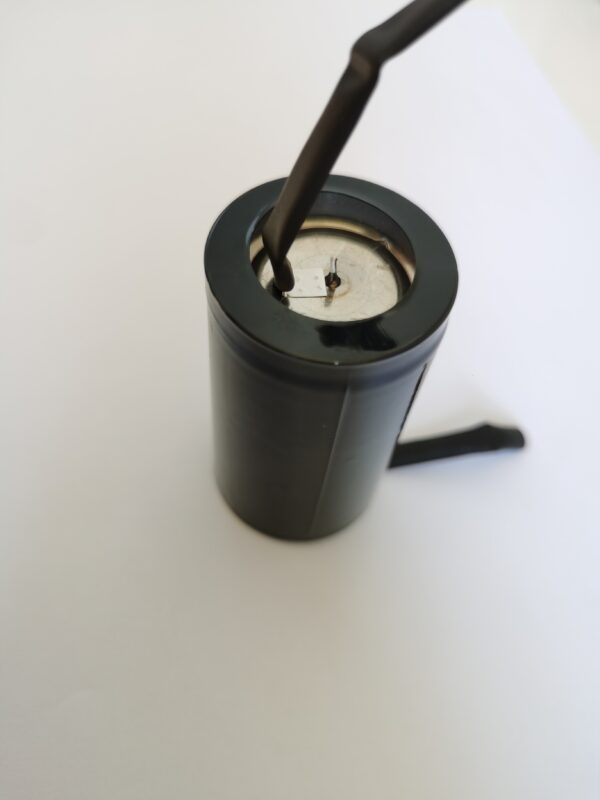
Here is the SEO-optimized article tailored for your requirements.
Tadiran Battery Replacement for Smart Meters: The Ultimate Li-SOCl₂ Alternative
The Challenge of Smart Meter Reliability
In the global smart metering industry, ensuring uninterrupted data transmission and valve control over a 20-year lifespan is the ultimate benchmark for reliability. For decades, Tadiran batteries have been the industry standard, specifically utilizing Lithium-Thionyl Chloride (Li-SOCl₂) chemistry. However, the current global supply chain volatility and extended lead times for Tadiran cells have created a critical bottleneck for Original Equipment Manufacturers (OEMs).
If you are an engineer or procurement manager currently facing a shortage of Tadiran batteries for your smart meter projects, you are likely evaluating “drop-in” replacements. This article serves as a technical guide for selecting a suitable Tadiran battery replacement for smart meters, focusing on the specific requirements of Li-SOCl₂ cells and introducing a reliable alternative from CNS Battery.
Why Lithium-Thionyl Chloride (Li-SOCl₂) is Non-Negotiable for AMI
Before diving into replacements, it is crucial to understand why this specific chemistry dominates the Advanced Metering Infrastructure (AMI).
Smart meters operate in harsh environments—buried underground, mounted on exterior walls, or installed in utility closets with extreme temperature fluctuations. They require a power source that can deliver high energy density and withstand these conditions without maintenance.
The Superiority of Li-SOCl₂ Chemistry:
- Voltage & Energy Density: Li-SOCl₂ cells provide a nominal voltage of 3.6V, significantly higher than standard alkaline batteries (1.5V). This higher voltage reduces the number of cells needed in a battery pack.
- Operating Temperature: They function reliably from -55°C to +85°C, making them ideal for global deployments from Scandinavian winters to Middle Eastern summers.
- Self-Discharge Rate: With an annual self-discharge rate of less than 1%, these primary lithium batteries can theoretically last 20-25 years on a single charge, perfectly matching the lifecycle of a smart meter.
Any replacement for a Tadiran battery in this application must strictly adhere to these chemical and physical parameters.
Evaluating a Tadiran Battery Replacement: Key Technical Criteria
When sourcing a replacement for Tadiran cells (such as the popular SL-series), simply matching the physical dimensions (AA, C, or D size) is not enough. You must validate the following technical specifications to ensure the smart meter’s radio module and microprocessor function correctly.
1. Pulse Power Capability
Smart meters do not draw a constant current. They sleep for long periods and then “wake up” to transmit data, requiring a high pulse current (often 2A-5A) in short bursts.
- The Risk: Standard Li-SOCl₂ cells have high internal resistance. If the replacement cell cannot handle these pulses, the voltage will sag (“voltage delay”), causing the meter to reset or fail to transmit.
- The Solution: Look for cells with patented technologies (such as built-in capacitors or modified cathodes) that reduce internal resistance and support high pulse loads.
2. Hermetic Sealing and Safety
Meters are often installed in confined or hazardous spaces. A leaking battery can destroy the PCB and render the meter useless.
- Requirement: The replacement must utilize a deep-drawn stainless steel case with laser welding. This ensures hermetic sealing against moisture ingress (IP67/IP68 equivalent) and prevents electrolyte leakage, even under mechanical stress.
3. Regulatory Compliance (RoHS & REACH)
To deploy meters globally, the battery must meet strict environmental regulations.
- Requirement: Ensure the replacement is certified RoHS and REACH compliant. This is non-negotiable for entering the European market and is increasingly important in North America and Australia.
CNS Battery: The Reliable Alternative for Smart Meter OEMs
For OEMs seeking a high-quality, readily available alternative to Tadiran batteries, CNS Battery offers a robust solution. Based in Zhengzhou, China, CNS Battery specializes in primary lithium batteries designed specifically for the IoT and smart metering sectors.
Why Choose CNS Battery as Your Replacement Partner?
- Drop-in Compatibility: CNS Battery manufactures cells in standard formats (including AA, C, and D sizes) that are engineered to match the voltage and dimensions of Tadiran equivalents.
- High Pulse Technology: Their Li-SOCl₂ cells are designed with advanced electrode technology to support the high pulse currents required by NB-IoT, LoRa, and 4G/5G modules found in modern smart meters.
- Global Supply Chain Stability: With manufacturing facilities in Zhengzhou and a focus on export compliance, CNS Battery provides a stable supply alternative to mitigate the risks associated with single-source dependency.
Product Specifications Comparison
| Feature | Tadiran Equivalent | CNS Battery Alternative |
|---|---|---|
| Chemistry | Lithium-Thionyl Chloride (Li-SOCl₂) | Lithium-Thionyl Chloride (Li-SOCl₂) |
| Nominal Voltage | 3.6V | 3.6V |
| Standard Sizes | AA, C, D | AA, C, D |
| Operating Temp | -55°C to +85°C | -55°C to +85°C |
| Anode Material | Lithium | High-Purity Lithium |
| Cathode Material | Thionyl Chloride | Thionyl Chloride |
Note: While specifications are matched, it is always recommended to conduct a small-scale field test before full-scale deployment.
Ensuring a Smooth Transition: Technical Support & Sampling
Switching battery suppliers is a critical engineering decision. It is not merely about swapping parts; it involves validating the battery’s performance within your specific meter housing and circuit design.
CNS Battery understands this. They offer comprehensive technical support for OEMs looking to validate their cells as a Tadiran replacement. Their team can provide:
- Sample Cells: For immediate testing and qualification.
- Custom Configurations: If your smart meter requires a specific tabbing configuration or a custom battery holder, their R&D team can assist.
- Compliance Documentation: Full access to datasheets, MSDS (Material Safety Data Sheets), and compliance certificates.
If you are currently facing a shortage of Tadiran batteries for your smart meter production, do not let supply chain issues halt your project. Explore the high-reliability Primary Lithium Battery solutions from CNS Battery.
For technical inquiries or to request a sample for your next smart meter project, contact the CNS Battery team today. As a manufacturer based in Zhengzhou, China, they are equipped to serve the global IoT market with reliable logistics and engineering support.
Contact us now to secure your supply chain: Primary Battery Contact Us
