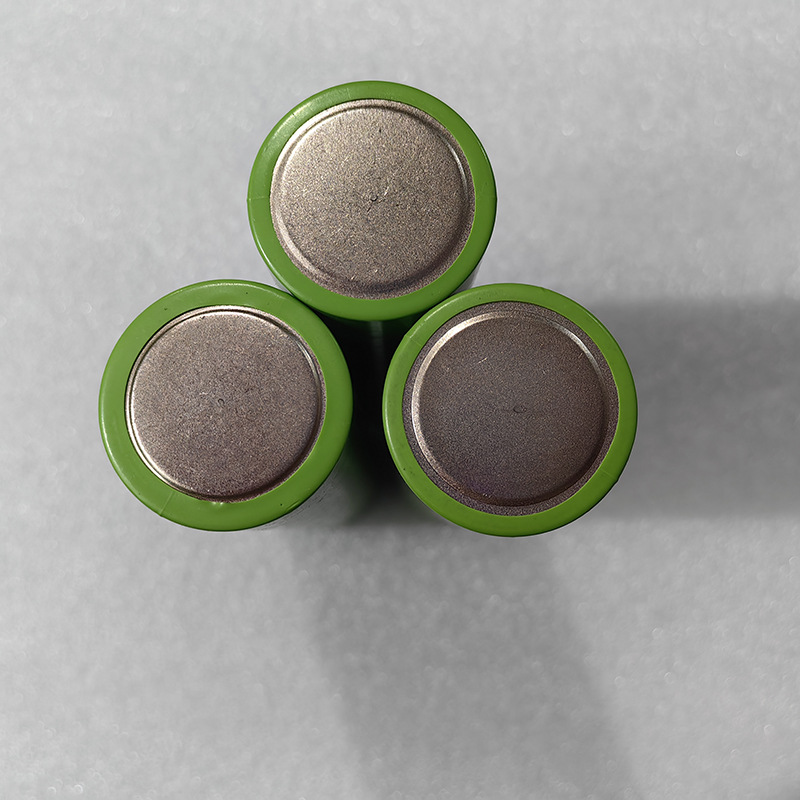
Solve 18650 Battery Drum / Swelling in High Heat
The 18650 lithium-ion battery has long been the industry standard for high-performance portable energy. From electric vehicles to power tools, its reliability is unmatched. However, a persistent challenge remains: battery swelling (or “drumming”) under high heat. This phenomenon not only reduces efficiency but poses serious safety risks.
As a leading lithium battery manufacturer, we understand that solving 18650 battery swelling requires more than just a patch; it demands a re-engineering of thermal dynamics and chemical stability. In this guide, we will dissect the root causes of thermal swelling and present the engineering solutions that ensure your devices operate safely, even in extreme conditions.
🔬 The Science Behind Battery Swelling
To solve the problem, we must first understand the enemy: heat.
When an 18650 battery operates, electrochemical reactions occur between the cathode, anode, and electrolyte. Under normal conditions, this process is stable. However, when the temperature rises—due to high discharge rates, rapid charging, or external environments—parasitic reactions begin.
The primary culprit for swelling is Electrolyte Decomposition. When the internal temperature exceeds the thermal runaway threshold (often above 80°C-100°C depending on chemistry), the organic electrolyte begins to decompose, releasing gas. This gas accumulation within the rigid steel shell creates internal pressure, leading to the visible “drum” or deformation.
Additionally, SEI Layer Instability plays a critical role. The Solid Electrolyte Interphase (SEI) layer on the anode is vital for battery function. High temperatures cause this layer to break down and reform repeatedly, consuming lithium ions and generating heat and gas as byproducts. This “thermal runaway” cycle is the death knell for standard cells in hot environments.
🛠️ Engineering Solutions: How to Prevent Thermal Drums
At CNS, we don’t just make batteries; we engineer solutions for thermal management. Here is how we combat swelling at the source.
1. Advanced Chemistry: INR vs. Standard ICR
Not all 18650s are created equal. Standard Lithium Cobalt Oxide (ICR) cells offer high energy density but have poor thermal stability. For high-heat applications, we utilize Nickel Manganese Cobalt Oxide (INR or NMC) chemistry.
- Why it works: INR chemistry has a higher thermal decomposition temperature and significantly lower internal resistance. This means less heat is generated during high-current discharge, directly mitigating the risk of gas formation.
- Our Solution: Our CNS 18650-3000 and 18650-3500 models utilize advanced NMC formulations designed for thermal resilience in power tools and e-bikes.
2. Cylindrical Design Integrity
The physical structure of the 18650 is crucial. A weak can will bulge instantly under pressure.
- Pressure Valves: We integrate CID (Current Interrupt Device) and explosion-proof valves that activate at specific pressure points, releasing gas safely before the can distorts.
- Wall Thickness: Through Finite Element Analysis (FEA), we optimize the steel wall thickness to balance weight and structural rigidity, preventing outward deformation even during high-heat cycling.
3. Low Impedance & Heat Dissipation
Resistance is the enemy of heat management. Our manufacturing process focuses on minimizing internal impedance.
- Electrode Engineering: By optimizing the porosity and coating thickness of the electrodes, we reduce the “ionic resistance,” which is a major source of heat during charging and discharging.
- Thermal Pathways: The cylindrical shape inherently allows for better air circulation compared to pouch cells. We recommend pack designs that utilize this by leaving micro-gaps between cells to act as natural heat sinks.
📈 Comparative Analysis: Standard vs. High-Heat Tolerant Cells
To illustrate the difference, let’s compare standard cells with our high-stability solutions.
| Feature | Standard ICR 18650 | CNS High-Stability INR 18650 |
|---|---|---|
| Chemistry | Lithium Cobalt Oxide (LCO) | Nickel Manganese Cobalt (NMC) |
| Thermal Runaway Start | ~150°C (Prone to swelling) | ~210°C (High resistance) |
| Internal Resistance | High (Generates more heat) | Ultra-Low (Optimized for power) |
| Best Application | Low Drain Devices (Flashlights) | High Drain (Power Tools, EVs) |
| Swelling Risk | High under load | Low (CID protected) |
Table 1: Comparison of thermal performance characteristics in cylindrical cells.
🏭 The Manufacturing Difference
Solving swelling isn’t just about design; it is about the purity of the process. Contamination at the microscopic level can create internal short circuits, leading to localized hotspots.
1. Humidity & Purity Control
Water content is the silent killer of lithium batteries. Even trace amounts of moisture react with the electrolyte (LiPF6) to form Hydrofluoric Acid (HF), which corrodes the electrodes and generates gas.
- Our Process: We maintain a dew point of -40°C in our dry rooms and utilize multi-stage baking and vacuum sealing to ensure moisture levels are below 10ppm.
2. Automated Production
Human error leads to defects. Our fully automated production lines ensure that every Cylindrical Battery Cell is wound with perfect tension. Uneven winding is a primary cause of lithium plating, which leads to dendrite growth and internal shorts under heat.
🛡️ Proactive Maintenance & Safety Protocols
Even the best-engineered batteries require proper handling. Here are three protocols to prevent drumming in the field:
- Adhere to the “Goldilocks Zone”: Lithium batteries love temperatures between 20°C and 45°C. Avoid charging below 0°C, as this causes lithium plating, which will later flake off and cause shorts when the battery heats up.
- Monitor Charge Cycles: Do not leave batteries on the charger for days. Overcharging forces excess lithium ions into the anode, creating pressure. Use smart chargers with auto-cut-off.
- Inspect Regularly: If a battery feels hot to the touch after use, allow it to cool completely before recharging. If a cell shows even slight swelling, retire it immediately. Do not puncture or crush it.
📩 Conclusion: Partner with a Thermal Expert
Battery swelling is not an inevitable flaw of lithium technology; it is a symptom of mismatched engineering. If your application operates in high-heat environments—whether it is a high-torque drill or a solar storage unit in a hot climate—you need a battery built for thermal warfare.
As a professional Battery Manufacturer in China, we have dedicated decades to perfecting the thermal stability of the 18650 platform. Our cells are not just batteries; they are thermal management systems in a can.
If you are facing challenges with battery swelling or need a custom solution for high-temperature applications, Contact Us Today. Let our R&D team help you select or design a cell that won’t let heat get in the way of performance.