
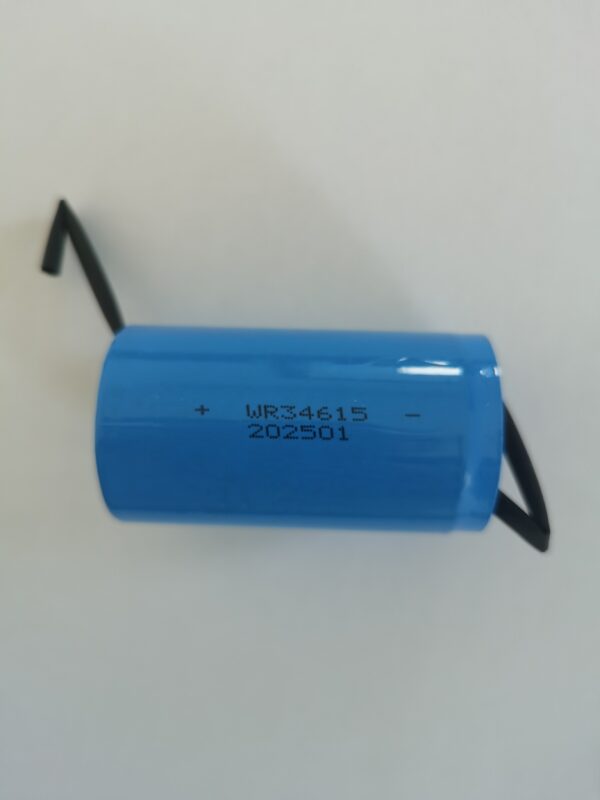
Smart Grid Metering Battery | High Consistency Li-SOCl₂ Cell
Introduction
Smart grid infrastructure demands power sources that deliver exceptional reliability over extended deployment cycles. Among primary battery technologies, Lithium Thionyl Chloride (Li-SOCl₂) cells have emerged as the definitive choice for smart metering applications. This article provides a technical deep-dive into high-consistency Li-SOCl₂ cell architecture, performance parameters, validation methodologies, and regional compliance frameworks essential for engineering teams and procurement specialists evaluating smart grid metering battery solutions.
Core Technology Principles
Li-SOCl₂ chemistry operates through a lithium anode reaction with thionyl chloride cathode, generating approximately 3.6V nominal voltage with energy density exceeding 500 Wh/kg. The passive film formation on lithium surface (LiCl layer) enables ultra-low self-discharge rates below 1% annually, critical for 10-15 year smart meter deployment cycles. High consistency manufacturing requires precise control of electrode thickness, electrolyte purity, and hermetic sealing integrity.
Parameter Advantages for Smart Grid Applications
Voltage Stability: Premium Li-SOCl₂ cells maintain flat discharge curves throughout 80% capacity utilization, ensuring consistent metering accuracy across temperature ranges from -40°C to +85°C.
Pulse Current Capability: Advanced bobbin-cell designs with hybrid layer configurations support periodic transmission pulses up to 5A without voltage depression, essential for AMI (Advanced Metering Infrastructure) communication modules.
Self-Discharge Performance: Industrial-grade cells demonstrate less than 0.7% annual capacity loss at 25°C, translating to predictable end-of-life calculations for utility asset management planning.
Leakage Resistance: Double-seal laser welding with glass-to-metal feedthroughs achieves helium leak rates below 1×10⁻⁸ Pa·m³/s, preventing electrolyte degradation in outdoor metering enclosures.
Testing Methodologies and Validation Standards
IEC 60086-1 Compliance: Primary battery safety and dimensional specifications require verification through accredited third-party laboratories. Capacity testing follows constant current discharge at 0.5mA to 2.0V cutoff voltage.
UL 1642 Certification: North American deployments mandate cell-level safety validation including crush, thermal abuse, and short-circuit testing per UL standards for lithium battery systems.
Temperature Cycling: Smart grid batteries undergo 500+ thermal cycles between -40°C and +70°C with capacity retention above 95%, simulating decade-long field exposure conditions.
Storage Validation: Accelerated aging tests at 60°C for 90 days predict 10-year shelf life with capacity fade under 8%, enabling inventory management for utility procurement cycles.
Regional Compliance and Technical Barriers
European Union (CE/RoHS/REACH): CNS products meet EU Battery Directive 2006/66/EC requirements with restricted substance documentation and recycling pathway compliance. ATEX certification available for hazardous location metering installations in oil/gas infrastructure.
United States (UL/FCC/DOT): Department of Transportation UN38.3 certification enables global shipping compliance. FCC Part 15 compatibility ensures electromagnetic interference standards for wireless metering communication modules.
Asia-Pacific (KC/PSE/CCC): Regional type approval facilitates deployment across Japanese, Korean, and Chinese smart grid initiatives with localized testing protocol alignment.
Supply Chain Considerations for Engineering Teams
Procurement specialists should evaluate manufacturer ISO 9001:2015 certification, traceability documentation for raw materials, and batch consistency reports showing capacity standard deviation below 3%. Long-term supply agreements with 5-year price stability clauses mitigate commodity risk for multi-year smart grid rollout projects.
Conclusion
High-consistency Li-SOCl₂ cells represent the technical foundation for reliable smart grid metering infrastructure. Understanding performance parameters, validation protocols, and regional compliance requirements enables informed specification decisions for utility-scale deployments. Engineering teams seeking detailed technical documentation and application support can access comprehensive resources at https://cnsbattery.com/primary-battery/ for product specifications and https://cnsbattery.com/primary-battery-contact-us/ for direct technical consultation regarding smart grid metering battery integration requirements.
