Shipping Insurance Included Battery Order | CNS BATTERY
In the global lithium battery supply chain, shipping insurance has evolved from an optional add-on to a critical risk mitigation strategy. For technical procurement professionals and engineering teams sourcing cylindrical battery cells from China, understanding the intersection of transport compliance, insurance coverage, and certification standards is essential. CNS BATTERY integrates comprehensive shipping insurance into every battery order, ensuring protected delivery while maintaining full regulatory alignment with EU, US, and international transport frameworks.
Why Shipping Insurance Matters for Lithium Battery Orders
Lithium batteries are classified as Class 9 dangerous goods under UN regulations, subject to stringent transport requirements governed by IATA DGR (air), IMDG Code (sea), and ADR (road). The 2026 regulatory updates introduce mandatory state-of-charge (SoC) limits not exceeding 30% for air shipments under Packing Instruction PI966 Section I, effective January 1, 2026. Non-compliance can result in shipment rejection, customs delays, or liability exposure.
Shipping insurance included with CNS BATTERY orders covers:
- Transport damage from vibration, impact, or environmental exposure
- Regulatory non-compliance penalties arising from documentation errors
- Delay-related losses during customs clearance at EU and US ports
- Thermal runaway incidents during transit, though rare with certified cells
This protection layer is particularly valuable for procurement teams managing just-in-time manufacturing schedules across North America, Europe, and Asia-Pacific regions.
Technical Parameters and Compliance Advantages
CNS BATTERY’s cylindrical battery cells undergo rigorous validation aligned with UN38.3 eighth revision standards. The eight mandatory test protocols include:
- Altitude Simulation (T.1): Verifies seal integrity at 11.6 kPa低压 conditions equivalent to 15,000 meters
- Thermal Testing (T.2): Cycles between -40°C and +75°C to assess electrolyte stability
- Vibration (T.3): Simulates transport vibration profiles per IATA DGR requirements
- Shock (T.4): 150G impact resistance for mechanical robustness
- External Short Circuit (T.5): Validates protection circuit response times
- Crush (T.6): 13 kN force application to test casing integrity
- Overcharge (T.7): 2C charging beyond rated capacity
- Forced Discharge (T.8): Reverse polarity stress testing
Cells passing all eight tests receive UN38.3 certification, enabling seamless air and ocean freight clearance. For EU-bound shipments, additional compliance with Battery Regulation (EU) 2023/1542 requires battery passport documentation for industrial cells exceeding 2 kWh, mandatory from 2027 with partial data requirements starting 2026.
US imports require UL 1642 (cells) and UL 2054 (packs) certification, alongside DOT HazMat shipping declarations. CNS BATTERY maintains dual certification pathways, reducing lead times for North American technical buyers by approximately 20 days compared to single-certification suppliers.
Testing Methodologies and Quality Assurance
CNS BATTERY employs third-party accredited laboratories for UN38.3 validation, ensuring audit-ready documentation for customs authorities in Germany, Netherlands, California, and Texas—key entry points for Asian battery imports. Each production batch receives:
- MSDS/SDS Reports: Chemical composition disclosure per GHS standards
- Air/Sea Transport Classification Reports: DGM-certified documentation for carrier acceptance
- SoC Verification Certificates: Pre-shipment confirmation of ≤30% charge state for air cargo
This documentation suite minimizes inspection delays at major logistics hubs including Frankfurt Airport, Rotterdam Port, and Los Angeles International Airport. Geo-specific compliance teams monitor regulatory updates in real-time, adapting shipping protocols to regional enforcement patterns.
Regional Adaptability and Technical Barriers
CNS BATTERY’s competitive advantage lies in multi-jurisdictional certification infrastructure. For European customers, products align with CE marking requirements, RoHS substance restrictions, and REACH chemical registration. US-bound orders comply with California Proposition 65 warnings and EPA transport guidelines.
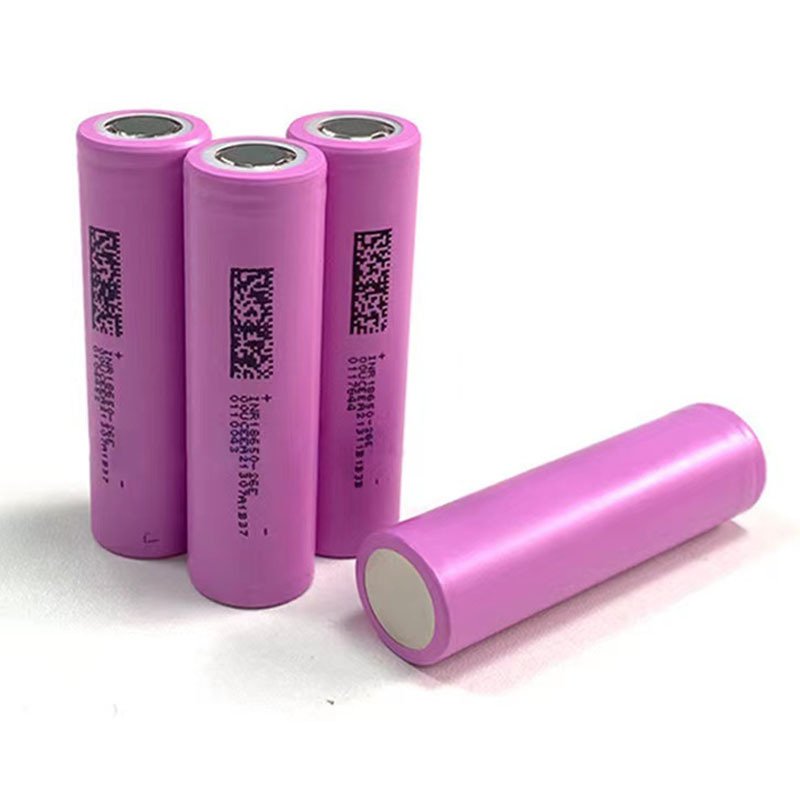
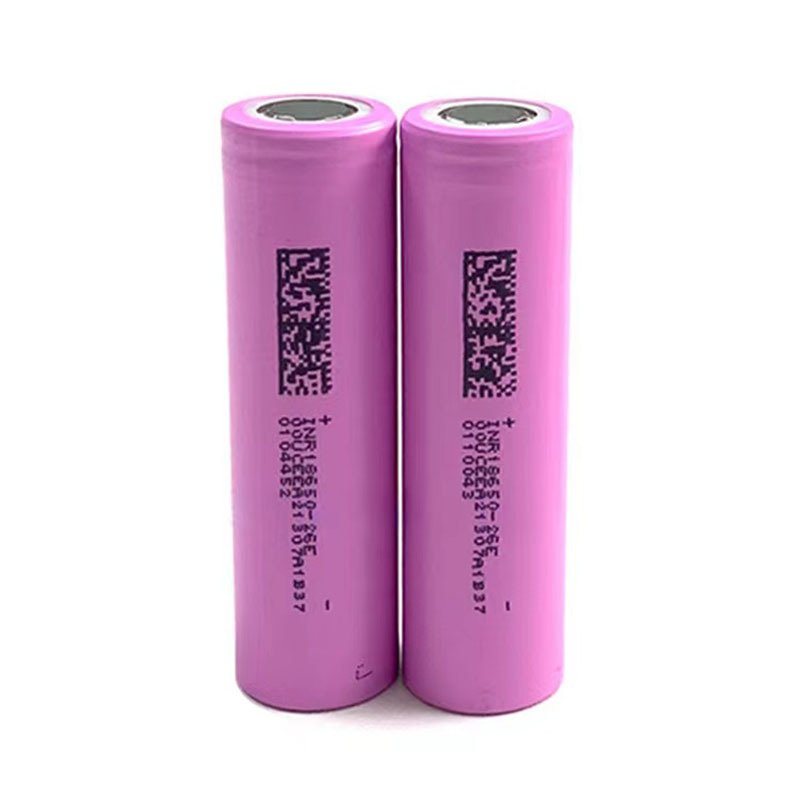
The cylindrical battery cell format (available at https://cnsbattery.com/products-3/cylindrical-battery-cell/) offers standardized dimensions compatible with existing battery pack designs in power tools, e-mobility, and energy storage applications. This form factor simplifies integration for engineering teams avoiding custom mechanical redesigns.
For procurement professionals evaluating Chinese battery manufacturers, CNS BATTERY distinguishes itself through transparent supply chain documentation and insured logistics. Detailed manufacturer credentials and facility audits are accessible at https://cnsbattery.com/battery-manufacturers-in-china/, supporting due diligence requirements for corporate sustainability reporting.
Conclusion: Secure Your Battery Supply Chain
In 2026’s tightened regulatory environment, shipping insurance inclusion represents more than financial protection—it signals supplier maturity and compliance readiness. CNS BATTERY’s integrated approach combines UN38.3 certification, regional standard alignment, and insured delivery to de-risk international battery procurement.
Technical buyers sourcing for EU assembly plants or US distribution centers benefit from reduced customs friction and predictable lead times. For project-specific compliance questions or insurance coverage details, contact CNS BATTERY’s technical support team at https://cnsbattery.com/contact-2/.
When evaluating lithium battery suppliers, prioritize partners who treat shipping insurance as standard practice rather than optional coverage. This commitment reflects deeper operational discipline—critical for maintaining production continuity in safety-regulated industries.