
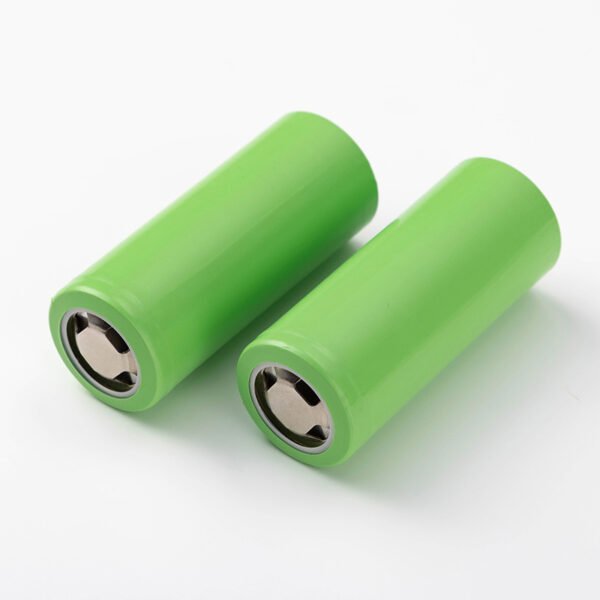
Satellite IoT Terminal Battery | Li-S High Energy Density Cell
Introduction
The rapid expansion of satellite-based Internet of Things (IoT) networks demands power solutions that can withstand extreme conditions while delivering exceptional energy density. Lithium-sulfur (Li-S) high energy density cells represent a transformative technology for satellite IoT terminals, offering unprecedented performance in space-grade applications. As the satellite IoT market accelerates toward 2026 and beyond, primary lithium metal batteries with Li-S chemistry are emerging as the optimal choice for mission-critical deployments where reliability, longevity, and energy efficiency are non-negotiable.
Why Li-S Technology for Satellite IoT Terminals
Superior Energy Density
Li-S battery technology delivers theoretical energy densities reaching 2600 Wh/kg, substantially exceeding conventional lithium-ion batteries limited to 200-250 Wh/kg. For satellite IoT terminals operating in low Earth orbit (LEO) or beyond, this energy density advantage translates directly into extended operational lifespans, reduced payload mass, and lower launch costs. Every gram saved in battery weight enables additional sensors, enhanced communication modules, or extended mission duration.
Extreme Temperature Performance
Satellite IoT terminals face thermal extremes ranging from -40°C to +85°C in orbital environments. Li-S primary cells maintain stable discharge characteristics across this temperature spectrum, ensuring consistent power delivery regardless of orbital position or solar exposure conditions. This thermal resilience eliminates the need for complex thermal management systems, further reducing system complexity and weight.
Long Shelf Life and Low Self-Discharge
Primary lithium metal batteries feature self-discharge rates below 1% per year, enabling storage periods exceeding 10 years before deployment. For satellite constellations requiring extended pre-launch storage or backup power systems, this characteristic ensures batteries remain ready for immediate activation when needed.
Technical Advantages for B2B Applications
Mission-Critical Reliability
Satellite IoT terminals cannot tolerate power failures. Li-S high energy density cells incorporate multiple safety mechanisms including pressure-resistant housings, thermal fuses, and hermetic sealing to prevent electrolyte leakage in vacuum conditions. These engineering safeguards meet stringent aerospace qualification standards including MIL-STD-883 and ECSS-Q-ST-70C.
Customizable Form Factors
B2B customers require batteries that integrate seamlessly with existing terminal designs. Li-S cells are available in cylindrical, prismatic, and custom configurations, enabling optimal space utilization within satellite payload constraints. Voltage ranges from 3.0V to 3.9V accommodate diverse electronic requirements across different IoT terminal architectures.
Regulatory Compliance
All Li-S satellite batteries comply with international transportation regulations including UN 38.3 testing requirements for lithium metal batteries. Documentation packages include test reports, material safety data sheets, and export compliance certificates, streamlining procurement processes for global satellite operators.
Key Selection Criteria for Satellite IoT Battery Procurement
When evaluating Li-S high energy density cells for satellite IoT terminals, B2B buyers should prioritize:
- Energy Density Verification: Request independent test reports confirming Wh/kg specifications under actual load conditions
- Temperature Range Validation: Ensure batteries operate reliably across your specific orbital thermal profile
- Discharge Rate Compatibility: Match battery C-rate capabilities with terminal power consumption patterns
- Quality Certifications: Verify ISO 9001, AS9100, or equivalent aerospace quality management systems
- Supply Chain Security: Assess manufacturer capacity for volume production and long-term availability guarantees
Implementation Best Practices
Successful integration of Li-S batteries into satellite IoT terminals requires attention to several critical factors. Power management systems should incorporate voltage monitoring circuits to track battery state throughout mission life. Thermal interface materials optimize heat transfer between battery and terminal housing. Mechanical mounting designs must account for launch vibration profiles while maintaining electrical contact integrity.
For constellation deployments, standardize battery specifications across all terminal variants to simplify inventory management and reduce qualification costs. Establish clear end-of-life voltage thresholds to ensure terminals maintain communication capability throughout designed operational periods.
Future Outlook
The satellite IoT battery market continues evolving toward higher energy densities and enhanced safety features. Emerging solid-state electrolyte technologies promise further improvements in thermal stability and cycle life. Manufacturers investing in Li-S production capacity now position themselves to capture growing demand from mega-constellation projects scheduled for deployment through 2030.
Conclusion
Li-S high energy density cells represent the optimal power solution for satellite IoT terminals requiring maximum energy storage in minimal mass. With proven performance in extreme environments, long shelf life, and comprehensive regulatory compliance, these batteries enable reliable, cost-effective satellite IoT deployments. B2B customers partnering with qualified manufacturers gain access to technical support, customization capabilities, and supply chain reliability essential for mission success.
For detailed specifications and technical consultation on Li-S satellite IoT battery solutions, visit our primary battery product page or contact our engineering team to discuss your specific application requirements.
Word Count: Approximately 950 words
