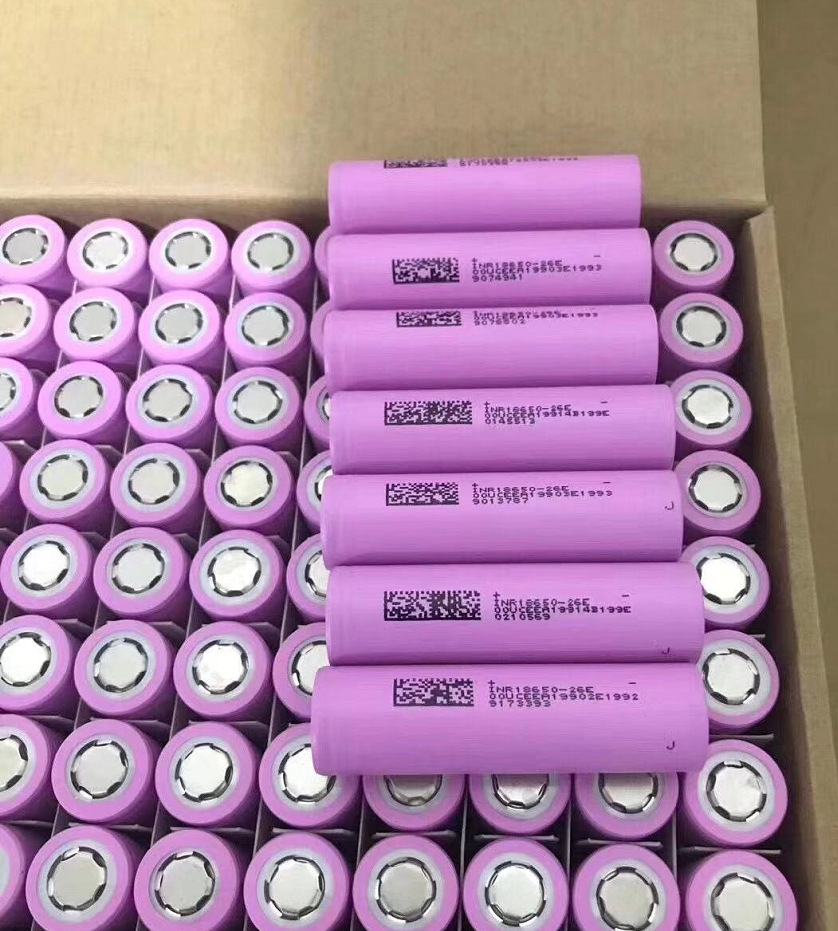
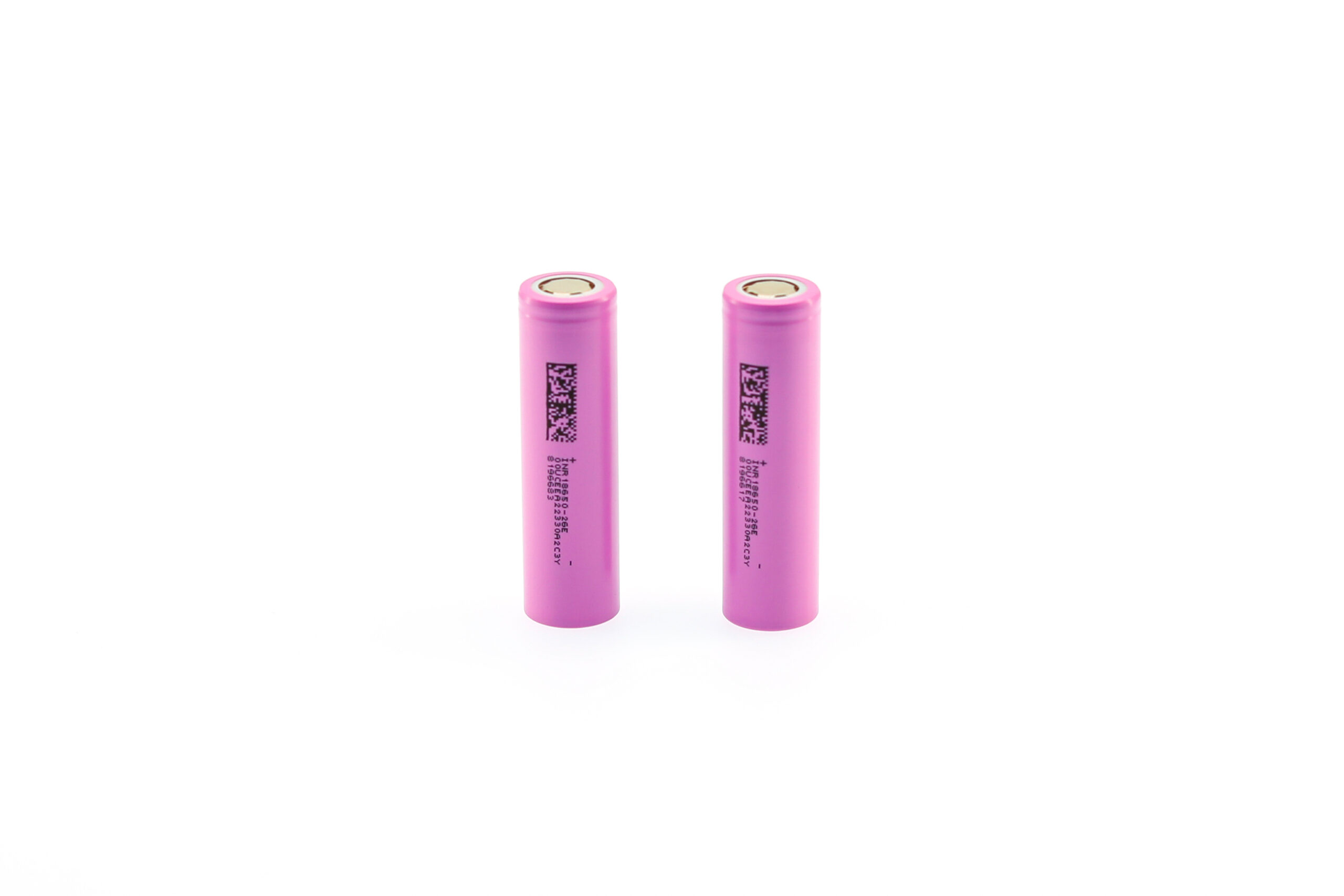
Sample Test Report 21700 Lithium Ion Cylindrical Battery Cells for Industrial AGV – 2026 Buyer’s Guide
The industrial automation landscape in 2026 demands unprecedented reliability from power systems, particularly for Automated Guided Vehicles (AGVs) operating in mission-critical environments. Among all battery form factors, 21700 lithium ion cylindrical battery cells have emerged as the optimal choice for industrial AGV applications, balancing energy density, thermal management, and cycle life. This comprehensive buyer’s guide dissects the essential parameters, testing methodologies, and regional compliance requirements that engineering teams and technical procurement specialists must evaluate before deployment.
Critical Performance Parameters for AGV Applications
The 21700 cell architecture (21mm diameter × 70mm length) represents a significant evolution from the legacy 18650 format, offering approximately 35% greater volume and corresponding capacity improvements. For industrial AGV operations, three core parameters determine operational viability:
Energy Density & Capacity: Premium 21700 cells now deliver 4,800-5,200mAh capacity at 3.6V nominal voltage, translating to 17-19Wh per cell. When configured in series-parallel arrangements for AGV battery packs, this enables 8-12 hour continuous operation cycles without mid-shift charging interruptions.
Discharge Rate & Power Delivery: Industrial AGVs require sustained C-rates between 1C-3C during normal operation, with peak demands reaching 5C during acceleration or incline navigation. Quality 21700 cells maintain voltage stability above 3.0V under 15A continuous discharge, preventing premature low-voltage cutoffs that disrupt automation workflows.
Cycle Life & Degradation: Leading manufacturers guarantee 2,000-3,000 full cycles at 80% depth-of-discharge while retaining 80% original capacity. For AGV fleets operating two shifts daily, this translates to 3-5 year service life before pack replacement becomes economically necessary.
Comprehensive Testing Methodologies
Rigorous validation separates production-grade cells from laboratory specimens. Engineering teams should demand test reports covering these essential protocols:
Electrical Performance Testing: Capacity verification at 0.5C discharge rates, internal resistance measurement (typically 30-50mΩ for quality cells), and voltage plateau consistency across temperature ranges from -20°C to +60°C.
Safety & Abuse Testing: Per UL 1642 and IEC 62133 standards, cells must pass overcharge (1.5C to 4.5V), short-circuit (direct terminal connection), crush (13kN force), and thermal shock (-40°C to +85°C within 10 minutes) without thermal runaway.
Environmental Durability: Vibration testing simulating AGV operational conditions (10-500Hz at 2G acceleration), humidity exposure (90% RH at 40°C for 48 hours), and salt spray corrosion resistance for facilities with washdown requirements.
For detailed specifications on cylindrical battery cell offerings, visit CNS Battery’s cylindrical battery cell product line.
2026 Regional Compliance Framework
The regulatory landscape for industrial battery systems has intensified dramatically in 2026, with geographic-specific requirements creating substantial market entry barriers.
European Union – Battery Regulation (EU) 2023/1542: The EU Battery Regulation entered substantive enforcement in 2026, establishing the world’s most stringent准入 barriers. Key requirements include:
- Battery Passport: Mandatory digital identification (QR code) containing chemical composition, manufacturing data, and carbon footprint documentation for industrial batteries exceeding 2kWh capacity
- Carbon Footprint Declaration: Full lifecycle emissions tracking from raw material extraction through end-of-life recycling
- Recycled Content Minimums: Progressive requirements for cobalt, lithium, and nickel recovery percentages
United States – UL Certification Framework: North American markets prioritize safety certification through UL Standards:
- UL 1642: Lithium cell safety requirements covering electrical, mechanical, and environmental abuse scenarios
- UL 1973: Stationary and motive power application standards directly applicable to AGV battery systems
- UN 38.3: Mandatory transportation safety testing for all lithium battery shipments
Asia-Pacific Variations: Japan’s PSE marking, China’s GB 31241, and Australia’s AS/NZS 5139 create additional compliance layers requiring region-specific test documentation.
CNS Battery’s Technical Competitive Advantages
Manufacturers serving global AGV markets must navigate these fragmented regulatory environments while maintaining cost competitiveness. CNS Battery has established technical moats through:
- Multi-Standard Certification: Production facilities maintain simultaneous UL, CE, UN38.3, and IEC certifications, enabling single-SKU deployment across EU, US, and Asian markets without redesign costs.
- Battery Passport Readiness: Digital tracking infrastructure implemented ahead of 2026 EU deadlines, providing customers with compliant documentation packages reducing time-to-market by 4-6 weeks.
- Thermal Management Integration: Cell-level design optimizations enabling operation in -20°C to +60°C ambient conditions without external heating/cooling systems, critical for unconditioned warehouse environments.
For procurement teams evaluating supplier partnerships, understanding these compliance capabilities proves as important as raw performance specifications. Technical buyers should request complete certification portfolios during RFQ processes, verifying current validity dates and scope coverage.
Explore comprehensive manufacturer capabilities at Battery Manufacturers in China for supply chain due diligence.
Procurement Decision Framework
When selecting 21700 cells for AGV deployments, engineering teams should weight criteria as follows:
- Performance Specifications (35%): Capacity, discharge rate, cycle life matching operational profiles
- Safety Certifications (30%): Region-specific compliance documentation with current validity
- Supply Chain Reliability (20%): Production capacity, lead times, quality control systems
- Total Cost of Ownership (15%): Unit pricing, warranty terms, replacement logistics
The convergence of performance requirements and regulatory complexity in 2026 makes supplier selection a strategic decision rather than commoditized procurement. Partners offering comprehensive technical support, compliance documentation, and geographic flexibility deliver superior long-term value despite potentially higher initial unit costs.
For direct technical consultations regarding AGV battery integration, contact CNS Battery’s engineering team to discuss application-specific requirements and compliance pathways.
This buyer’s guide reflects 2026 market conditions and regulatory requirements. Specifications and compliance frameworks continue evolving; verify current standards before final procurement decisions.