
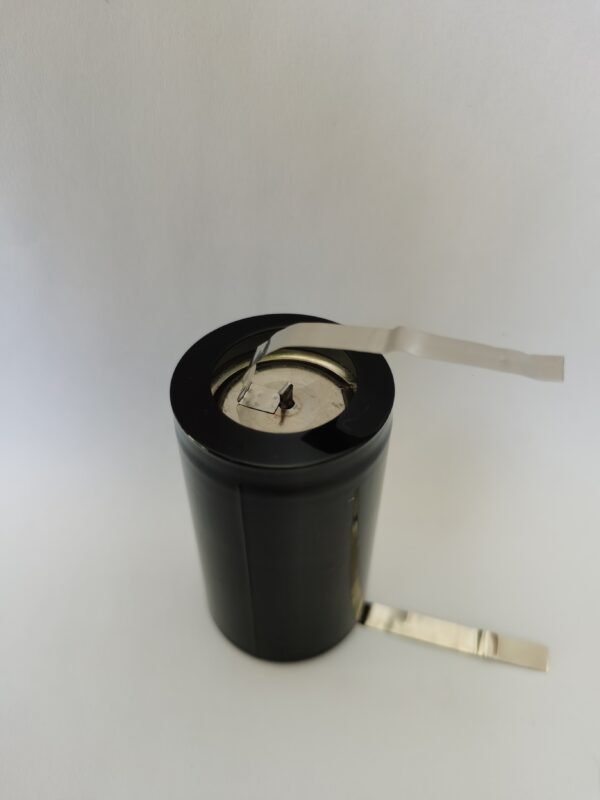
Saft LS33600 3.6V D Size Li-SOCl₂ Battery Replacement: Technical Analysis & Compliance Guide
For engineers and technical purchasers managing long-term deployment projects, finding a reliable Saft LS33600 3.6V D Size Li-SOCl₂ Battery Replacement is critical. The LS33600 is a benchmark in the primary lithium battery industry, widely utilized in seismic surveying, marine instrumentation, and remote scientific equipment. However, supply chain volatility and regional compliance requirements necessitate qualified alternatives that match original equipment manufacturer (OEM) specifications without compromising performance. This article provides a deep technical breakdown of the LS33600’s core parameters, validation methodologies, and the regulatory landscape for replacements in 2026.
Core Technical Specifications and Chemistry Principles
The Saft LS33600 utilizes Lithium-Thionyl Chloride (Li-SOCl₂) chemistry, a bobbin-type construction known for its exceptional energy density and low self-discharge rate. Understanding the underlying electrochemistry is essential when evaluating replacements.
- Nominal Voltage: 3.6V (Open Circuit Voltage typically ranges from 3.65V to 3.70V).
- Nominal Capacity: Approximately 17Ah, depending on the discharge profile.
- Dimensions: Standard D-size form factor, typically 33.3mm in diameter and 61.3mm in height.
- Operating Temperature: -60°C to +85°C, making it suitable for extreme environments.
- Construction: Stainless steel casing with a glass-to-metal seal, ensuring hermetic integrity.
The Li-SOCl₂ system operates through the reaction between lithium anode and thionyl chloride cathode. This chemistry offers a distinct advantage over alkaline or Li-MnO₂ systems: a flat discharge curve that maintains stable voltage throughout most of the battery’s life. For replacements, maintaining this voltage stability is non-negotiable, particularly for devices with strict low-voltage cutoff thresholds.
Performance Advantages of High-Quality Replacements
When sourcing a replacement, technical buyers must look beyond basic capacity ratings. A premium 3.6V D Size Li-SOCl₂ Battery should replicate the low magnetic signature of the original LS33600LM variant, which is crucial for magnetic-sensitive applications like downhole drilling tools or oceanographic sensors.
Key performance indicators include:
- Low Self-Discharge: High-grade Li-SOCl₂ cells exhibit less than 1% self-discharge per year at ambient temperature. This ensures a shelf life exceeding 10 years, vital for strategic stockpiling.
- Passivation Layer Control: Upon storage, a lithium chloride layer forms on the anode, preventing corrosion. A quality replacement manages this passivation layer to avoid initial voltage delay upon load application while maintaining long-term stability.
- Pulse Capability: While bobbin cells are designed for low continuous current, modern replacements often integrate hybrid layer technologies to support moderate pulse currents required by IoT telemetry modules.
Validation and Testing Methodologies
Qualifying a replacement battery requires rigorous testing to ensure compatibility with existing hardware. Engineers should implement the following validation protocol:
- Constant Resistance Discharge Test: Verify capacity under standard load conditions (e.g., 3.9kΩ) to confirm the 17Ah rating is achievable.
- Temperature Cycling: Subject batteries to extreme cold (-40°C) and heat (+70°C) to validate the electrolyte’s stability and seal integrity.
- Voltage Delay Measurement: Measure the time taken for voltage to recover to 3.0V after a storage period, ensuring it falls within acceptable limits for the application.
- Leakage Current Analysis: Confirm self-discharge rates align with the <1% per year standard to guarantee long-term reliability.
For comprehensive product specifications and technical data sheets regarding compatible primary battery solutions, visit our primary battery product page.
Regional Compliance and Geo-Adaptability
In 2026, regulatory compliance is as critical as electrical performance. A viable replacement must adhere to strict regional standards to avoid customs delays or legal liabilities.
European Union (EU) Standards
For deployments in Europe, batteries must comply with the EU Battery Regulation (2023/1542), which emphasizes sustainability, carbon footprint labeling, and hazardous substance restrictions. Compliance with REACH (Registration, Evaluation, Authorisation and Restriction of Chemicals) and RoHS directives is mandatory. Additionally, transportation within the EU requires adherence to ADR regulations for dangerous goods.
United States (US) Standards
In the North American market, compliance with UL 1642 (Standard for Lithium Batteries) and UN 38.3 (Transportation Testing) is essential. The DOT (Department of Transportation) regulations govern the shipping of lithium primary batteries, requiring proper labeling and packaging. Furthermore, specific state-level regulations, such as California’s Proposition 65, may require warning labels regarding chemical exposure.
CNS Technical Barriers and Adaptability
Navigating these diverse regulatory landscapes requires a manufacturer with robust technical barriers and global certification capabilities. CNS Battery products are engineered to meet these stringent international standards, ensuring seamless integration across different geographic markets. Our manufacturing processes incorporate advanced quality control systems that align with both IEC 60086-4 safety standards and regional environmental directives. This global compliance framework minimizes risk for technical purchasers managing multi-regional deployments.
For inquiries regarding compliance documentation, custom specifications, or regional distribution partnerships, please contact our technical team via our contact us page.
Conclusion
Replacing the Saft LS33600 requires more than a simple form-factor match; it demands a deep understanding of Li-SOCl₂ chemistry, rigorous validation testing, and strict adherence to regional compliance standards. By prioritizing parameters such as voltage stability, self-discharge rates, and regulatory certification, engineers can ensure the longevity and reliability of their remote power systems. As the industry evolves in 2026, partnering with a supplier that bridges technical excellence with global regulatory adaptability is the key to sustainable operations.
