
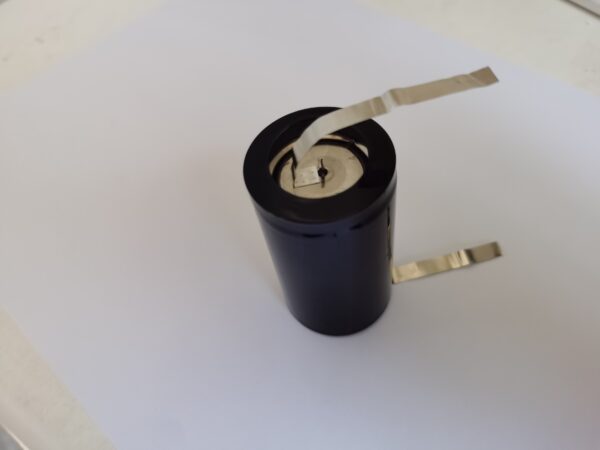
Saft LS33600 3.6V D Size Li-SOCl₂ Battery Replacement
Professional Guide for Industrial Battery Sourcing and Technical Substitution
In the global industrial automation and instrumentation sector, the Saft LS33600 3.6V D Size Li-SOCl₂ battery remains a critical power source for PLC systems, utility meters, and memory backup applications. As supply chain dynamics evolve and procurement teams seek reliable alternatives, understanding proper replacement protocols becomes essential for maintaining operational continuity. This comprehensive guide addresses technical specifications, substitution criteria, and sourcing considerations for B2B purchasers worldwide.
Understanding the LS33600 Technical Profile
The Saft LS33600 is a primary lithium-thionyl chloride (Li-SOCl₂) bobbin cell delivering nominal 3.6V output with approximately 17,000-19,000mAh capacity in D-size form factor. Key technical characteristics include:
- Nominal Voltage: 3.6V DC
- Chemistry: Lithium Thionyl Chloride (Li-SOCl₂)
- Physical Dimensions: 33mm diameter × 61mm height (D Size)
- Operating Temperature Range: -55°C to +85°C
- Self-Discharge Rate: Less than 1% per year at ambient temperature
- Service Life: 10+ years under typical load conditions
This chemistry offers exceptional energy density, stable voltage discharge curves, and superior long-term reliability—making it the preferred choice for smart meters, industrial PLCs, SCADA systems, and remote monitoring equipment across North America, Europe, and Asia-Pacific markets.
Critical Replacement Considerations
When sourcing LS33600 replacements, procurement specialists must evaluate multiple technical parameters beyond basic voltage and size compatibility.
1. Chemistry Compatibility
Li-SOCl₂ batteries utilize specific electrochemical properties that differ from lithium-manganese dioxide (Li-MnO₂) or lithium-carbon monofluoride (Li-CFx) alternatives. Substitution with incorrect chemistry may result in:
- Voltage mismatch during pulse load conditions
- Reduced service life in low-drain applications
- Potential safety concerns in sealed enclosures
Ensure any replacement maintains Li-SOCl₂ bobbin-type construction for equivalent performance characteristics.
2. Capacity and Discharge Profile
The LS33600’s 17Ah+ capacity supports decade-long deployments in memory backup and low-current sensing applications. Replacement cells must match or exceed this capacity while maintaining similar voltage stability under pulse loads. Bobbin-type cells excel in low-drain applications but require hybrid layer designs for moderate pulse current requirements.
3. Physical Dimensions and Terminal Configuration
D-size batteries follow IEC 60086 standards, but minor dimensional variations exist between manufacturers. Verify:
- Diameter tolerance (typically 33±0.5mm)
- Height specifications (61±0.5mm)
- Terminal type (flat, button, or wire leads)
- Polarity marking orientation
Improper fitment can cause connection failures or mechanical stress in battery compartments.
4. Certification and Compliance
Industrial applications often require specific certifications:
- UL/IEC 60086-4 safety standards
- ATEX/IECEx for hazardous locations
- RoHS/REACH environmental compliance
- UN38.3 transportation certification
Document all compliance requirements before approving alternative suppliers.
Global Sourcing Strategy for LS33600 Alternatives
The primary lithium battery market has expanded significantly, with qualified manufacturers in China, Europe, and North America offering LS33600-compatible solutions. When evaluating suppliers, consider:
Quality Assurance Protocols
Reputable manufacturers implement ISO 9001 quality management systems with batch testing for capacity, voltage, and self-discharge characteristics. Request certificates of analysis (CoA) for initial shipments and establish incoming inspection procedures.
Supply Chain Reliability
Assess manufacturer lead times, inventory levels, and geographic distribution capabilities. For mission-critical applications, maintain qualified alternative sources to mitigate supply disruption risks.
Technical Support Infrastructure
Premium suppliers provide application engineering support for:
- Load profile analysis
- Runtime calculations
- Storage condition recommendations
- End-of-life voltage thresholds
Regional Market Considerations
North American purchasers should verify UL certification and domestic warehousing options. European buyers require CE marking and REACH compliance documentation. Asia-Pacific customers benefit from regional manufacturing with reduced logistics costs and faster delivery cycles.
For comprehensive product specifications and technical consultation on primary lithium battery solutions, visit our primary battery product portfolio. Our engineering team supports global B2B clients with application-specific recommendations and volume procurement programs.
Best Practices for Battery Replacement Implementation
- Conduct pilot testing with replacement cells before full deployment
- Document baseline performance from existing LS33600 installations
- Establish monitoring protocols for voltage and runtime tracking
- Maintain inventory rotation following FIFO (first-in, first-out) principles
- Store batteries at 10-25°C with 50% relative humidity
Long-Term Procurement Planning
Industrial battery requirements typically span 5-10 year equipment lifecycles. Develop multi-year supply agreements with price protection clauses and guaranteed specification consistency. Request manufacturer roadmaps to anticipate chemistry improvements or discontinuation notices.
For direct technical consultation and customized sourcing solutions, contact our primary battery specialist team to discuss your specific application requirements and volume needs.
Conclusion
Successful LS33600 replacement requires thorough technical evaluation beyond simple form-factor matching. By understanding chemistry characteristics, certification requirements, and supplier capabilities, procurement professionals can ensure seamless transitions while maintaining system reliability. The global primary lithium battery market offers qualified alternatives when proper due diligence is applied.
Partner with established suppliers who demonstrate technical expertise, quality consistency, and commitment to long-term customer support. Your industrial power infrastructure depends on informed battery sourcing decisions today.
This technical guide serves informational purposes for B2B procurement professionals. Always consult manufacturer datasheets and application engineers before implementing battery substitutions in critical systems.
